
best idli recipe soft fluffy easy usually comes down to two things most people underestimate: batter consistency and fermentation cues you can actually see, not just a timer. If you have ever ended up with dense, slightly gummy idlis, the good news is you do not need fancy equipment, you need a few reliable checkpoints.
In the US, the tricky part is that our kitchens vary a lot, central heating dries air, winters run cold, and many grocery-store rice and urad brands behave differently than what recipes assume. That is why “follow the hours” advice often fails, even when your ingredients look correct.
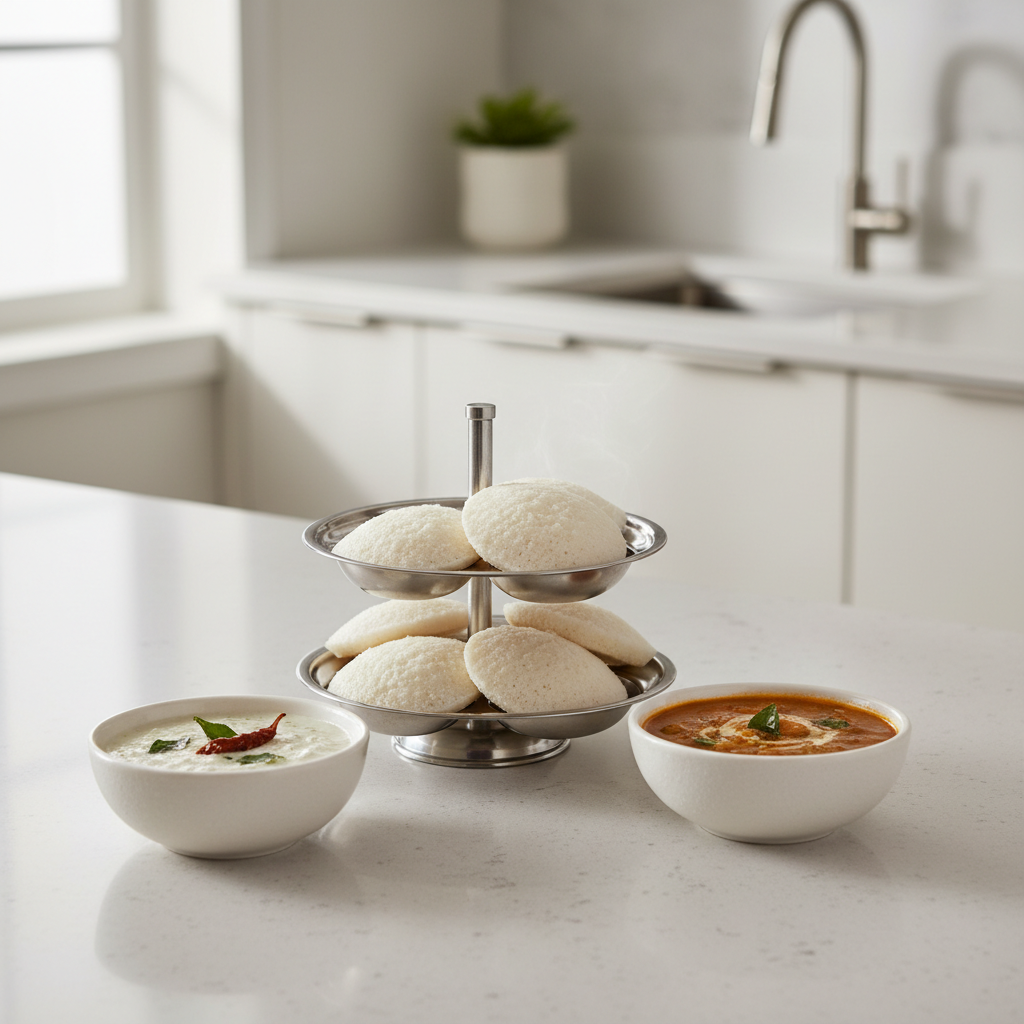
This guide focuses on what actually makes idlis light and springy, how to judge fermentation in real time, and how to troubleshoot common US-kitchen issues like slow rise, sour batter, or flat idlis.
What makes idlis soft and fluffy (the real reasons)
Idli texture is not magic, it is a mix of air retention, gentle acidity, and the right amount of starch gelatinization during steaming. When any piece is off, idlis turn hard, dense, or sticky.
- Urad dal quality and grind: Urad provides structure and lift. A fine, airy urad grind helps trap bubbles; a coarse grind often yields heavier idlis.
- Fermentation strength: You want a risen, slightly tangy batter, not sharply sour. Under-fermented batter steams dense; over-fermented batter can collapse and taste harsh.
- Water ratio: Too thick and the batter cannot expand; too thin and it rises fast but steams flat or sticky.
- Steaming setup: Low steam or frequent lid opening reduces lift. Over-steaming dries idlis, especially in smaller US steamers.
According to USDA Food Safety and Inspection Service, cooked foods should not remain in the “danger zone” for extended periods; if you ferment in very warm conditions, keep basic food-safety common sense in mind, and when in doubt, shorten time or refrigerate after rising.
Ingredients and substitutions that work well in the US
You can make excellent idlis with widely available ingredients. The key is choosing options that ferment predictably and grind smoothly.
Core ingredients
- Idli rice (preferred) or parboiled rice. Many Indian groceries carry “idli rice.”
- Whole urad dal (skinned). Freshness matters more than brand.
- Fenugreek seeds (methi), optional but helpful for fermentation and softness.
- Non-iodized salt. Many cooks feel iodized salt can slow fermentation in some batches, results vary.
Handy substitutions (when you are stuck)
- If you cannot find idli rice, a mix of parboiled rice and regular long-grain rice often works.
- If your batter rises poorly, adding a small portion of poha (flattened rice) during soaking can improve softness.
- If you are short on time, you can use idli rava (cream of rice) but the texture differs, it is usually less airy than a good grind.
Easy soft fluffy idli batter: step-by-step (with checkpoints)
This process is written for a wet grinder or a high-power blender. Both can work, but the water amount and grind time change.
Suggested ratio (reliable starter)
- 3 parts rice : 1 part urad dal by volume
- Fenugreek: 1/2 to 1 tsp per cup of urad dal
If you prefer slightly more “pillow” softness, some households go 2.5:1, but start with 3:1 until you know your ingredients.
1) Soak
- Rinse rice until water runs mostly clear, soak 4 to 6 hours.
- Rinse urad, soak 3 to 5 hours with fenugreek.
- Keep soaking water cool; in hot summers, consider room-temperature water and a shaded spot.
2) Grind urad until airy
- Drain urad, reserve some soaking water.
- Grind with small splashes of water, aiming for a fluffy, smooth paste.
- Checkpoint: batter should look lighter in color, feel slightly warm from grinding, and form soft peaks when lifted.
3) Grind rice to a fine-grain texture
- Grind drained rice with water as needed.
- Checkpoint: texture like fine semolina, not gritty sand, not fully silky like cake batter.
4) Combine and mix
- Combine both batters in a large bowl with room for rising.
- Mix by hand for 1 to 2 minutes; many cooks feel this helps aeration.
- Add salt now in moderate climates; in cold kitchens, some add salt after fermentation to avoid slowing activity.
5) Ferment with visual cues (not a strict timer)
Most US homes need 8 to 14 hours, but it depends on room temp and batter thickness.
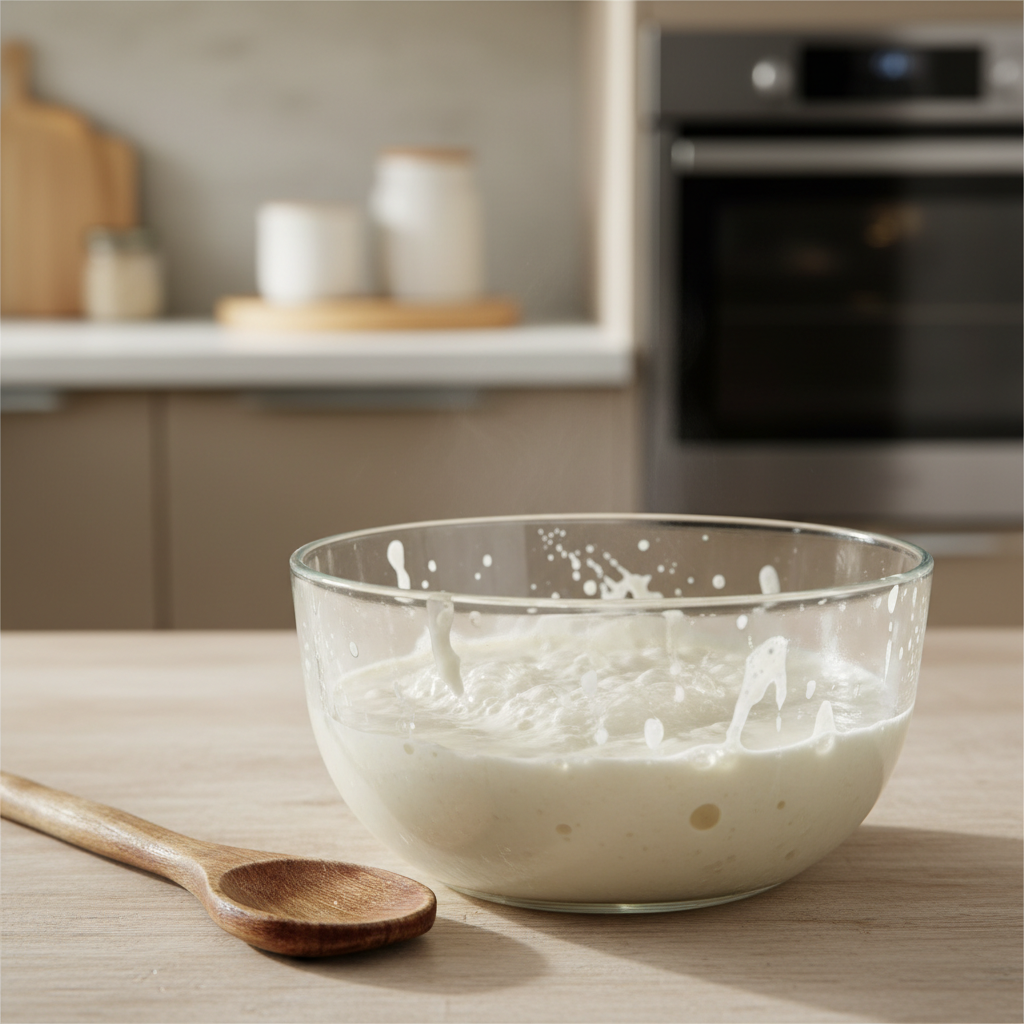
- Ready signs: batter rises 30% to 100%, looks domed, shows bubbles, smells pleasantly tangy.
- Not ready: flat surface, raw dal smell, no bubbles.
- Over: very sour smell, watery separation, batter collapses after rising high.
A quick table: batter problems and fast fixes
Use this when you want a diagnosis without overthinking it.
| What you see | Likely cause | What to do next |
|---|---|---|
| Idlis dense, not rising | Under-fermented or urad grind not airy | Ferment longer in a warmer spot; next batch grind urad longer with less water |
| Idlis sticky/gummy | Batter too thin or rice ground too fine | Thicken with a little rice flour or idli rava; steam a bit longer, then rest 2 minutes before unmolding |
| Strong sour smell | Over-fermented, too warm | Refrigerate immediately; use for uttapam/dosa, or blend with fresh batter if available |
| Idlis dry/hard | Over-steamed or batter too thick | Reduce steam time; add a little water, mix gently before steaming |
| Top looks cooked, center underdone | Low steam or overcrowded steamer | Preheat steamer, ensure rolling steam, do smaller batches |
Steaming method that keeps idlis light (and not rubbery)
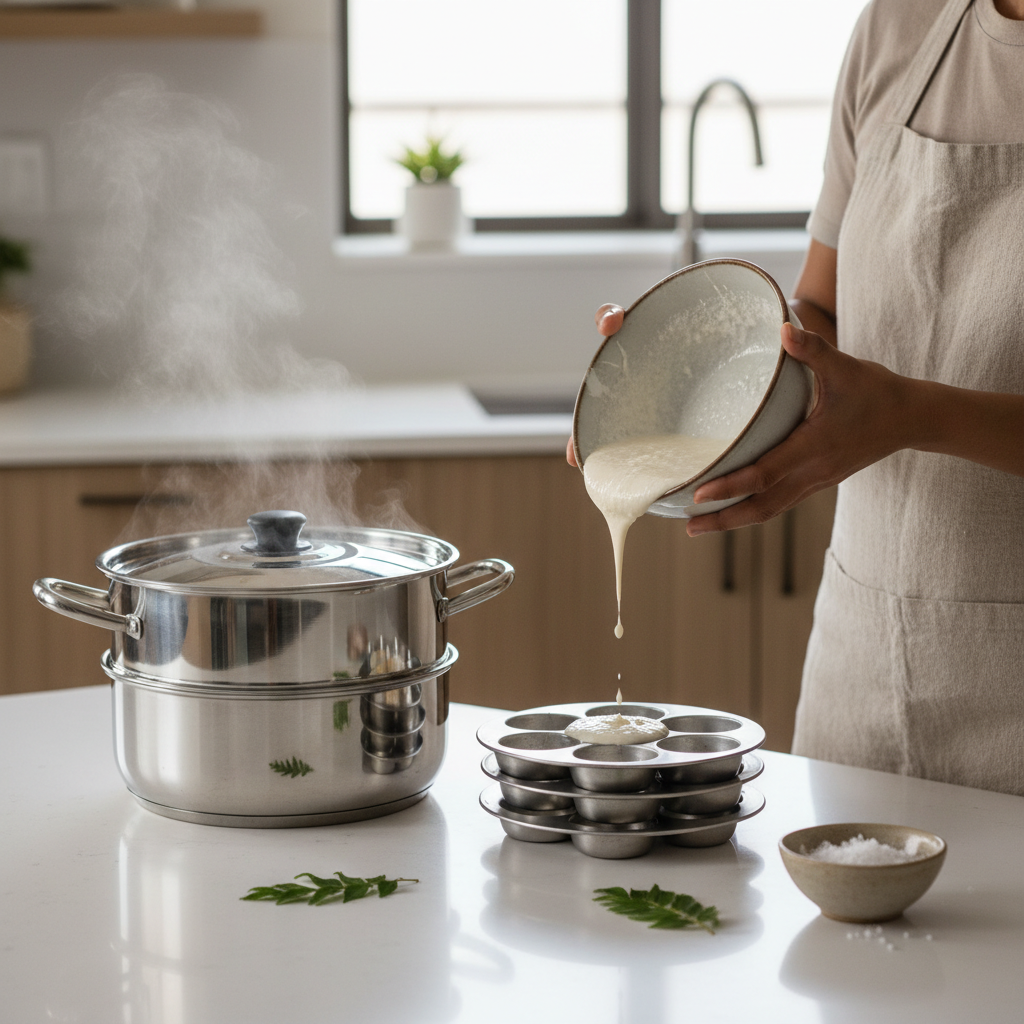
Steaming looks simple, but this is where many “easy” recipes quietly fail. You want steady steam from the moment the plates go in.
- Preheat your steamer with 1 to 2 inches of water until actively steaming.
- Grease molds lightly, pour batter without overfilling.
- Steam on medium-high for 10 to 14 minutes depending on size and your pot.
- Do not open the lid early; it drops temperature and can deflate the rise.
- Doneness test: a toothpick should come out mostly clean, a few moist crumbs are fine.
Small but helpful habit: rest idlis for 1 to 2 minutes after steaming, then unmold. They set slightly and release easier.
Self-check: are you set up for the best results?
Before changing your whole recipe, run this quick checklist. It saves time and frustration.
- Urad dal smells fresh and nutty, not stale or dusty.
- Grind creates a noticeably aerated urad batter, lighter color, slight fluff.
- Batter thickness resembles pancake batter that pours slowly, not watery like crepe batter.
- Fermentation spot stays warm enough overnight, often 75 to 85°F in many kitchens.
- Steamer produces steady steam before you load plates.
If you check only one thing, check the urad grind. A lot of “best idli recipe soft fluffy easy” claims are really just “my urad grind is right.”
Common mistakes Americans run into (and how to avoid them)
Some issues show up more often in US kitchens than in recipes written for Indian climates.
- Cold fermentation: if your home sits at 68 to 70°F overnight, batter may need much longer. Use an oven-with-light-on, an Instant Pot yogurt mode, or a warm corner.
- Over-warming: too hot and it turns sour fast. If your proofing spot feels hot to the touch, it is probably too warm for long fermentation.
- Too much water in a blender: blenders need enough liquid to move, but excess water hurts structure. Add water in tiny additions, scrape often.
- Salt timing dogma: adding salt early or late can both work. If fermentation is sluggish, try adding salt after rising next time and compare.
- Storing batter uncovered: it dries on top and forms a crust that affects texture. Cover loosely, allow some airflow, but avoid direct drying.
Key takeaways and an easy action plan
If you want one simple plan for the next batch, keep it focused: use a 3:1 ratio, grind urad to airy peaks, ferment until visibly domed and bubbly, then steam with fully preheated steam.
When you are close but not perfect, do not throw it out. Slightly sour batter often makes great uttapam, and thick batter can be adjusted with a small splash of water before steaming.
Your next step: pick one variable to improve, usually urad grind or fermentation temperature, then repeat the same ingredients so you can actually tell what changed.
FAQ
How do I make idlis soft and fluffy without a wet grinder?
You can do it in a strong blender, but keep water additions very small and grind in shorter bursts with scraping. The goal is an aerated urad paste; if it turns runny early, softness gets harder to achieve.
Why did my batter not ferment in the US winter?
Many homes sit below the temperature where wild fermentation moves quickly. Use a controlled warm spot such as an oven light, a proof setting, or an Instant Pot yogurt function, and watch for rise and bubbles rather than hours.
Can I use regular rice instead of idli rice?
Yes, many batches work with parboiled rice or a parboiled-and-regular mix. Texture can vary by brand, so expect a little trial and error with water ratio and grind fineness.
What is the best way to know batter is fermented enough?
Look for a domed surface, visible bubbles, a light tangy aroma, and a clear rise line on the bowl. If it smells raw or looks flat, it probably needs more time in a warmer spot.
My idlis turned out sticky, what went wrong?
Often the batter is too thin, or rice was ground extremely fine. Slightly thicker batter and steady steam help; if it persists, try adjusting grind texture to fine-grain rather than silky.
How long should I steam idlis?
Most standard molds take 10 to 14 minutes once the steamer is fully hot. If your idlis feel dry, shave off a minute or two and avoid over-steaming.
Is it safe to ferment idli batter on the counter?
Many people do, but conditions vary. If your kitchen is very warm for long periods or the batter smells sharply sour, it is safer to refrigerate after it rises and to use good hygiene; if you have health concerns, consider asking a qualified professional.
If you are trying to nail a best idli recipe soft fluffy easy routine week after week, it can help to standardize your setup, same bowl, same water measurement, same fermentation spot, then tweak only one factor at a time until your batter behaves predictably.