
best chai recipe masala indian sounds like one fixed formula, but what most people really want is this: a cup that tastes bold and warming, not watery, not bitter, and not weirdly “pumpkin-spice.” In 2026, you can buy great chai concentrates anywhere in the U.S., yet homemade still wins when you want that fresh ginger bite and the right spice perfume.
And yes, the frustration is real, you follow an online recipe, you use “chai tea bags,” you toss in five spices, and it still tastes flat. In many cases it comes down to technique, not ingredient quality: when you simmer, what you crush, and how long you let black tea sit.
This guide gives you a dependable base recipe, then shows how to tweak it for your milk, your sweetness, and your spice tolerance. I’ll also point out the common mistakes that quietly ruin masala chai, because they’re surprisingly easy to make.
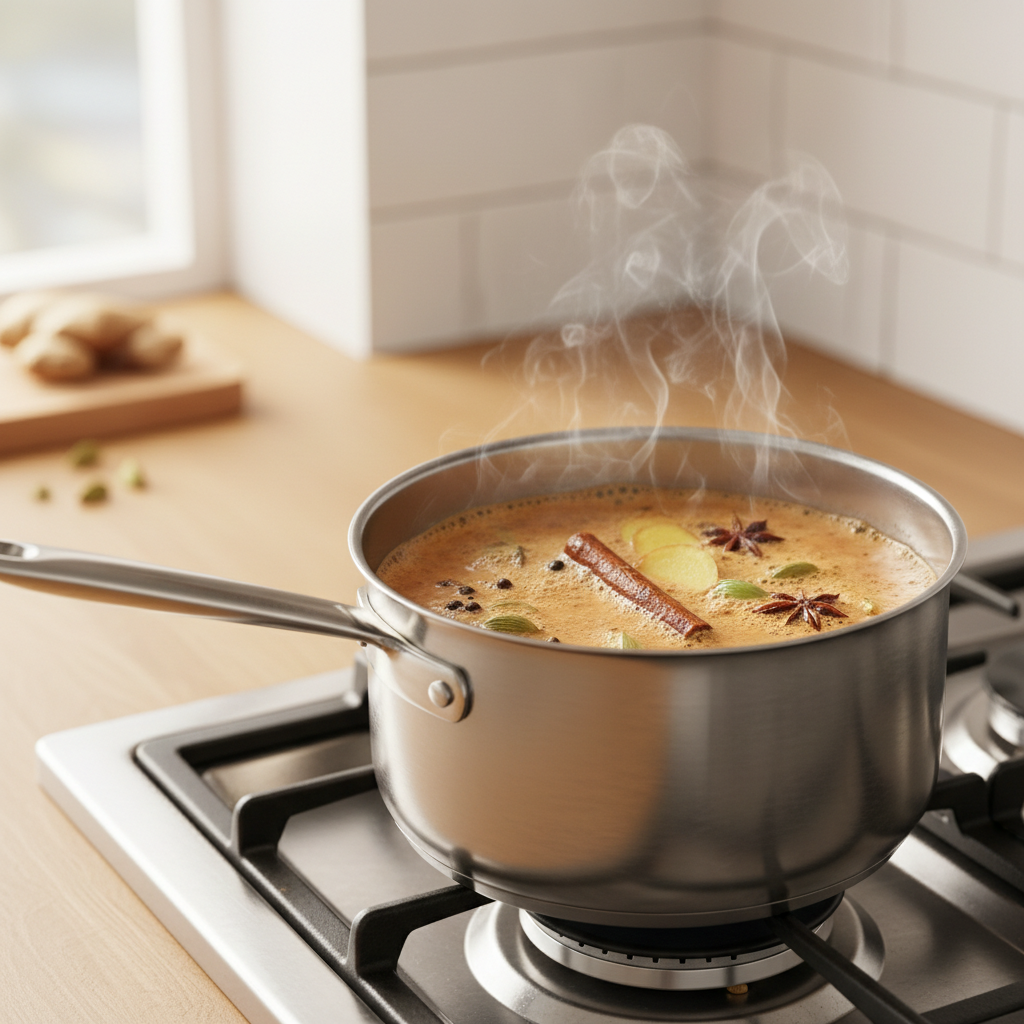
What “Masala Chai” Means (and What It Doesn’t)
Masala chai is black tea brewed with a spice mix, usually with milk and a sweetener. “Masala” means a blend, so there isn’t one official spice list that everyone in India follows, families vary it by region, weather, and habit.
What it doesn’t mean, at least in most Indian home contexts, is a heavily flavored syrup drink. You can make it strong, creamy, and sweet, but the backbone should still be black tea + real spices, not just “chai flavor.”
Also, “chai tea” is redundant. According to Merriam-Webster, chai refers to tea, and in everyday use it commonly means spiced tea. In the U.S., though, the label stuck, so don’t feel bad if you’ve been saying it.
Why Homemade Chai Often Tastes Wrong in the U.S.
If your cup tastes thin, bitter, or oddly muted, you’re not alone. A few repeat patterns show up in American kitchens.
- Using the wrong tea type or steeping too long: black tea that sits too long in boiling liquid can turn harsh.
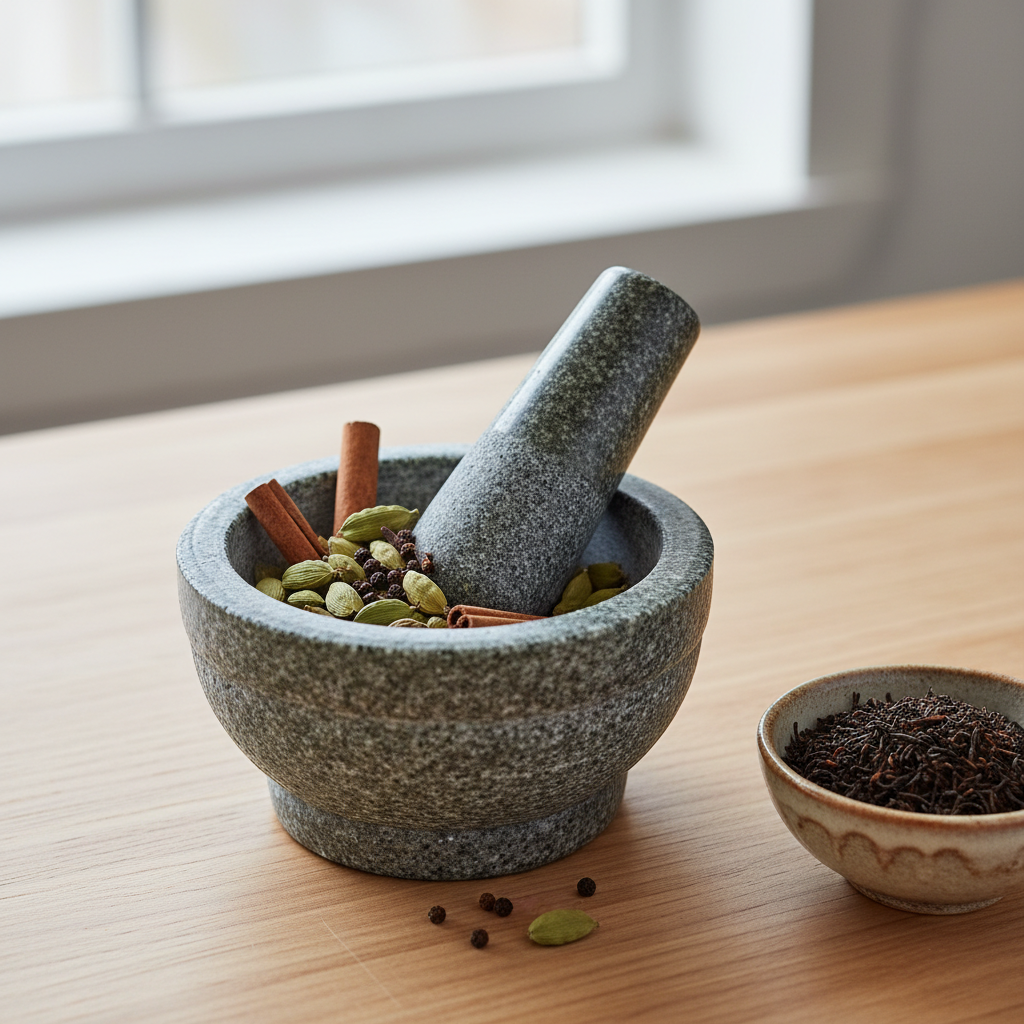
- Not crushing whole spices: whole cardamom pods look pretty, but if they stay intact, they don’t give much flavor.
- Spice overload: more spices does not automatically mean “better,” it can taste dusty or medicinal.
- Milk added too early or scorched: overheating milk changes flavor and can dull the spice aroma.
- Relying on tea bags labeled “chai”: many are light on spice and built for simple steeping, not stovetop simmering.
Fixing these is exactly how you get closer to the best chai recipe masala indian style, without needing specialty equipment.
Best Indian Masala Chai Recipe (2026 Base Version)
This is a reliable “daily cup” recipe, strong enough to stand up to milk, but not so aggressive it turns bitter. It makes about 2 mugs.
Ingredients
- Water: 2 cups
- Whole milk: 1 cup (or see milk options below)
- Black tea: 2 to 3 tsp loose Assam, or 2 strong black tea bags
- Green cardamom pods: 6, lightly crushed
- Fresh ginger: 6 to 8 thin slices (or 1 to 1.5 tsp grated)
- Cinnamon: 1 small stick (or 1/4 tsp ground, added later)
- Cloves: 3
- Black peppercorns: 4, lightly crushed
- Sweetener: 1 to 2 tbsp sugar, jaggery, or honey (adjust)
- Optional: 1 small piece star anise, or a pinch of fennel seeds
Method (stovetop)
- In a small saucepan, add water plus the crushed spices and ginger, bring to a gentle boil, then simmer 5 to 7 minutes.
- Add milk, return to a gentle simmer, then add sugar.
- Turn heat to low, add black tea, steep 2 to 4 minutes depending on strength, keep it under a hard boil.
- Turn off heat, rest 1 minute, then strain into mugs.
Key point: tea goes in late. Many people boil tea leaves for a long time and then wonder why the cup bites back.
Quick Self-Check: Which Chai Problem Are You Actually Having?
Before you add more spices, run through this list. It saves time and prevents that “muddy” chai taste.
- Too bitter or astringent: tea steep too long, tea boiled aggressively, or tea ratio too high for your milk.
- Too weak: not enough tea, spices not crushed, simmer time too short, or too much milk for your tea strength.
- Tastes flat: spices old, ginger too little, or you skipped the simmer phase and only steeped.
- Tastes chalky/dusty: too much ground spice, or you used pre-ground spices that sat open for months.
- Feels heavy: milk ratio too high, or sweetener pushed too far.
If you’re chasing the best chai recipe masala indian flavor profile, you’ll usually make bigger gains by adjusting steep time and spice handling than by buying exotic ingredients.
Chai Customization Table: Strength, Milk, Sweetness, Spice
Use this as a practical starting point, then adjust one variable at a time so you can taste what changed.
| Goal | What to change | What to expect |
|---|---|---|
| Stronger tea backbone | Use Assam, increase tea by 1 tsp, steep +1 minute | More tannin and depth, risk of bitterness if overdone |
| Creamier mouthfeel | Increase milk ratio to 1:1 (water:milk), keep tea strong | Smoother, more café-like, spices can feel softer |
| Dairy-free that still tastes “real” | Use oat milk (barista style) or soy milk, simmer gently | Good body, slightly different sweetness, watch curdling |
| More ginger heat | Add 2-3 more slices, simmer spices longer | Warming bite, can dominate if pushed too far |
| Less sweet but still rounded | Reduce sugar, add a pinch of salt | Spices pop more, less “dessert” feel |
Step-by-Step Practical Tips (What Actually Makes It Taste Like India)
People ask for “authentic,” but day-to-day authenticity is mostly about small habits. These are the ones that matter.
1) Use whole spices when you can
Whole cardamom, cloves, and pepper keep aroma longer. Lightly crush them so oils release, you’ll taste a cleaner, brighter cup.
2) Simmer spices in water first
Spices extract best in water before milk enters the pot. Milk can coat spices and slow extraction, so this order helps you get fragrance without overcooking.
3) Treat tea like tea, not like soup
Add black tea near the end and keep heat gentle. According to U.S. Food & Drug Administration (FDA) consumer guidance on food safety, heating practices matter for quality and safety; for chai, the quality part is the bigger issue, scorching and hard boiling tend to amplify bitterness.
4) Strain well, serve immediately
Leaving leaves and spice bits sitting in the mug keeps extracting. If you like a strong cup, increase tea slightly rather than letting it oversteep in the mug.

Common Mistakes and How to Avoid Them
- Dumping in ground spices early: ground cinnamon and clove can turn gritty and overpowering. If you only have ground spices, add them late and use a very small pinch.
- Assuming “more simmer time” always improves: after a point, spices taste woody. If your chai tastes dull, try fresher spices instead of longer cooking.
- Using low-fat milk and expecting richness: you can still make good chai, but you may need a stronger tea base and a touch more sweetener for balance.
- Over-sweetening to cover weak extraction: sweetness should support spice aroma, not mask a thin base.
- Not cleaning your spice storage: open jars near the stove pick up moisture and odors, and chai shows that quickly.
Once you avoid these, the best chai recipe masala indian approach becomes repeatable, not a one-off lucky batch.
Health, Caffeine, and Safety Notes (Realistic, Not Alarmist)
Masala chai includes caffeine from black tea, and the amount varies by tea type, dose, and steep time. If you’re sensitive, reduce tea, shorten steep time, or switch to a decaf black tea that still has some body.
Spices like ginger and cloves may not agree with everyone, especially in larger amounts. If you have reflux, pregnancy-related dietary questions, or medication interactions, it’s sensible to check with a qualified healthcare professional for guidance tailored to your situation.
For food handling, keep milk refrigerated and don’t leave chai at room temp for long periods. If you batch-make, cool quickly and store in the fridge, then reheat gently.
Conclusion: A Great Cup Comes From Balance, Not More Ingredients
The best cups usually follow a simple logic: extract spice aroma in water, add milk for body, then steep tea briefly for structure. If you take one action today, crush whole spices and move tea to the end of the process, that alone changes the result.
If you’re testing your version of the best chai recipe masala indian style, keep a quick note of ratios and steep times for two or three batches, you’ll land on “your” house chai faster than you think.
Key takeaways
- Tea timing controls bitterness more than any sweetener fix.
- Crushed whole spices beat extra spoonfuls of pre-ground spice.
- Adjust one variable per batch so tweaks are obvious.
FAQ
What type of black tea is best for masala chai?
Assam is a common pick because it stays bold with milk. If you only have English Breakfast, it usually works, just watch steep time so it doesn’t turn sharp.
Can I make masala chai with chai tea bags?
You can, but it often tastes lighter. A practical compromise is tea bags plus fresh ginger and crushed cardamom, simmer the spices first, then steep the bags briefly.
How do I make it less bitter without making it weak?
Lower the steep time before lowering the tea amount. Many cups taste bitter because the tea sat too long at near-boil, not because the recipe used “too much tea.”
What’s the best non-dairy milk for chai?
Oat milk (barista style) tends to give the closest creamy texture, soy can be rich too. If curdling happens, use gentler heat and avoid very acidic add-ins.
Should I boil chai like they do on the street?
Some methods do involve vigorous boiling, but results depend on tea strength and timing. In a typical U.S. kitchen, a gentle simmer often gives more control and fewer bitter surprises.
How long does homemade chai concentrate last in the fridge?
Many people keep a strained base for a couple of days, then add milk when reheating, but storage time varies by fridge temp and handling. If it smells off or tastes odd, discard it.
Can I make masala chai without sugar?
Yes, but spices can feel harsher without a little sweetness. Try a smaller amount of sweetener, or a pinch of salt to round edges while keeping it mostly unsweetened.
If you’re trying to make this routine on busy mornings, it can be easier to prep a small jar of crushed chai masala ahead of time, then you only measure tea, water, and milk when you brew.