
If you’re searching for how to make dumplings at home easy, the real trick is not a secret ingredient, it’s a simple workflow you can repeat: pick one forgiving dough option, keep the filling balanced, then use a fold that doesn’t require perfection.
Homemade dumplings can feel intimidating because there are a lot of little steps, dough texture, sealing, preventing sticking, cooking without bursting. But most “fails” come from two issues: wrappers drying out, or filling that’s too wet or too lean.
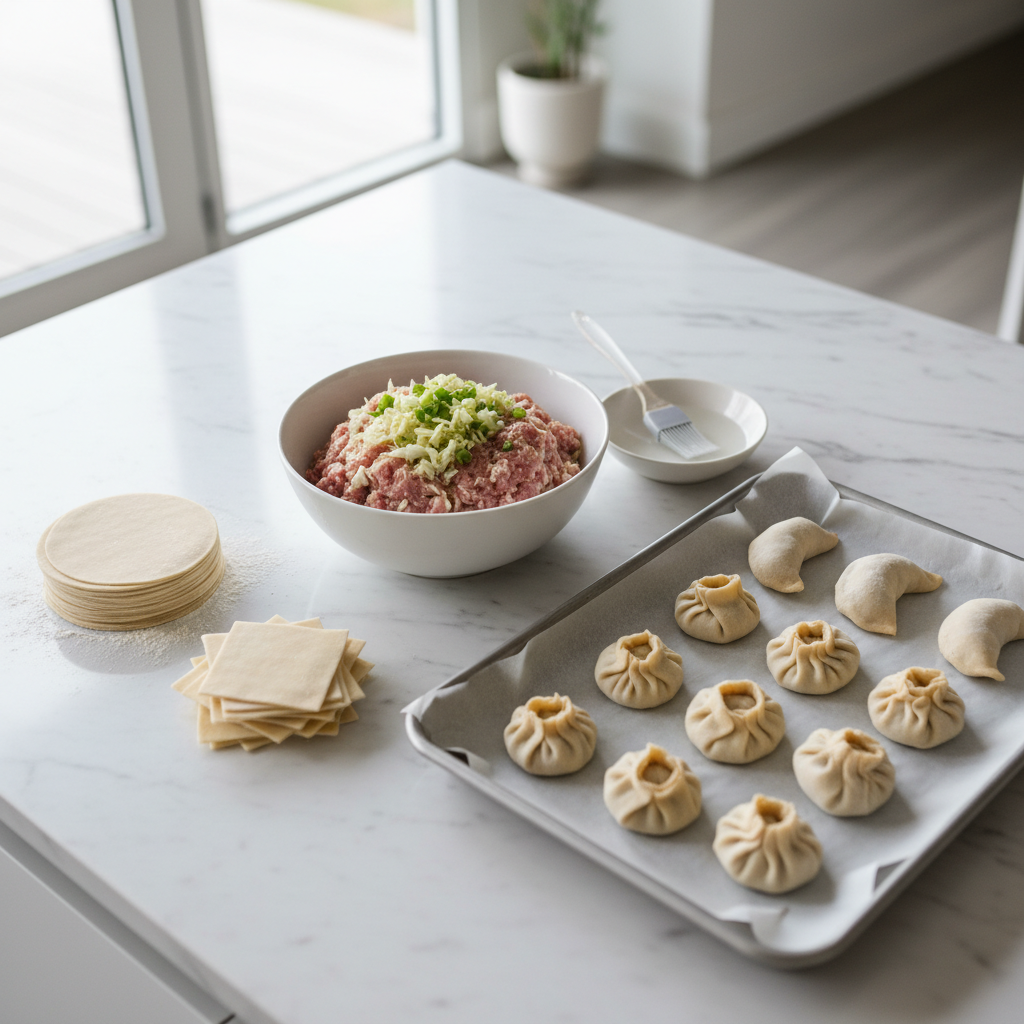
Below you’ll get a practical, American-kitchen-friendly approach: quick wrapper choices, a “works most nights” filling ratio, folding options from easiest to prettier, plus a cook-time table so you stop guessing. You’ll also see where shortcuts are totally fine, and where they usually backfire.
What Makes Dumplings “Easy” at Home (and What Usually Trips People Up)
Easy dumplings aren’t about making them fancy, they’re about reducing variables. If you control moisture and timing, the rest becomes forgiving.
- Wrappers drying out: once the edge dries, it won’t seal well, then it opens during cooking.
- Filling too wet: watery veggies or over-sauced filling leads to leaks and soggy texture.
- Too-lean filling: very lean meat can cook up dry, which feels like you “did it wrong” even if you didn’t.
- Overstuffing: most beginners add too much, then fight the seal and tear the wrapper.
Also, expectations matter. A slightly lopsided dumpling that tastes great is still a win. If your goal is how to make dumplings at home easy, aim for “sealed, not pretty” on your first run.
Ingredients You Need (With Easy Swaps)
You can make dumplings with homemade dough, but if you want the easiest path, store-bought wrappers are your friend. According to USDA, raw meat should be kept refrigerated and handled with clean surfaces to reduce foodborne illness risk, so keep the filling cold while you work.
Wrapper options
- Store-bought dumpling wrappers (often labeled gyoza/potsticker wrappers): most consistent for beginners.
- Wonton wrappers: thinner, great for boiling or soup dumplings, can tear if overstuffed.
- Homemade dough: doable, but adds a learning curve; use it when you want the project.
A reliable filling formula (pork + cabbage, easy mode)
- 1 lb ground pork (or turkey/chicken, see notes below)
- 2 cups finely chopped napa cabbage or green cabbage
- 3 scallions, thinly sliced
- 1 tbsp soy sauce
- 1 tbsp sesame oil
- 1 tsp grated ginger
- 1 clove garlic, grated (optional)
- 1 tsp cornstarch (helps bind moisture)
- 1/2 tsp kosher salt, plus black pepper
Easy swap: no cabbage, use finely chopped mushrooms or shredded zucchini, but squeeze excess moisture first or your “easy” dumplings get messy.
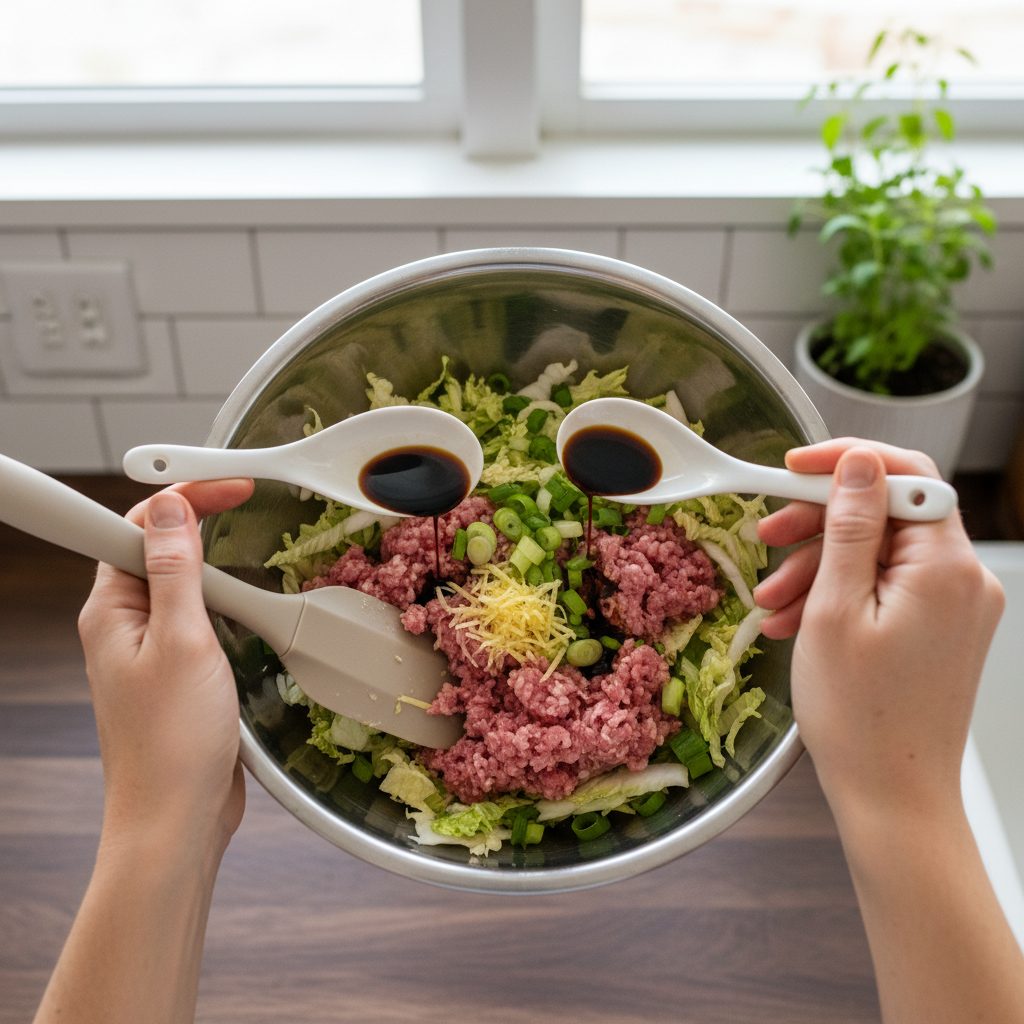
Quick Self-Check: Are You Set Up for Success?
Before you start wrapping, run this quick checklist. It prevents the common “why won’t these seal?” spiral.
- Filling feels tacky, not watery: when you stir, it should hold together instead of pooling liquid.
- Wrappers covered: keep them under a lightly damp paper towel so edges stay pliable.
- Tray prepared: parchment paper or a light dusting of cornstarch/flour to prevent sticking.
- Small water dish ready: water is your glue for store-bought wrappers.
- Cooking plan picked: boil, steam, or pan-fry, choose now so you don’t improvise mid-batch.
If you’re using meat, keep the bowl in the fridge between batches. It’s not about being fussy, it just keeps texture better and is safer.
Step-by-Step: How to Make Dumplings at Home Easy
This is the workflow that stays calm even on a weeknight: mix, rest, wrap, cook. Don’t overthink it.
1) Mix the filling (5 minutes)
Combine all filling ingredients and stir vigorously for 30–60 seconds. You’re looking for a sticky, cohesive mixture that clings to the spoon. If it looks loose, add another pinch of cornstarch.
2) Set up your wrapping station (2 minutes)
- Wrappers under a damp towel
- Filling spoon (a teaspoon or small cookie scoop works well)
- Water dish for sealing
- Prepared tray for finished dumplings
3) Use the “half-moon” fold (easiest reliable seal)
Place a wrapper in your palm, add 1 to 2 teaspoons filling in the center. Dip a finger in water, wet the edge halfway around, fold into a half-moon, press out air, then pinch firmly along the seam.
If you stop here, you still have legit dumplings. Pleats are optional.
Optional: quick pleat for better shape
Hold the dumpling seam up, make 2–4 small pleats on one side only, pressing each pleat into the flat side. Keep them shallow, deep pleats tear thin wrappers.
Cooking Methods and Timing (Use This Table)
Most people cook dumplings too aggressively, then wonder why they burst. Gentle simmering and steady steam solve a lot. For meat fillings, cook thoroughly; if you’re unsure, a food thermometer helps. According to USDA, ground meats are generally recommended to reach safe internal temperatures; if you have health concerns, consider consulting a qualified professional for personalized guidance.
| Method | Best for | How to do it | Typical time |
|---|---|---|---|
| Boil | Fast, forgiving texture | Gently simmer, don’t hard-boil; stir once to prevent sticking | 4–6 min (fresh), 6–8 min (frozen) |
| Steam | Juicy filling, soft wrapper | Line steamer, leave space between dumplings | 8–10 min (fresh), 10–12 min (frozen) |
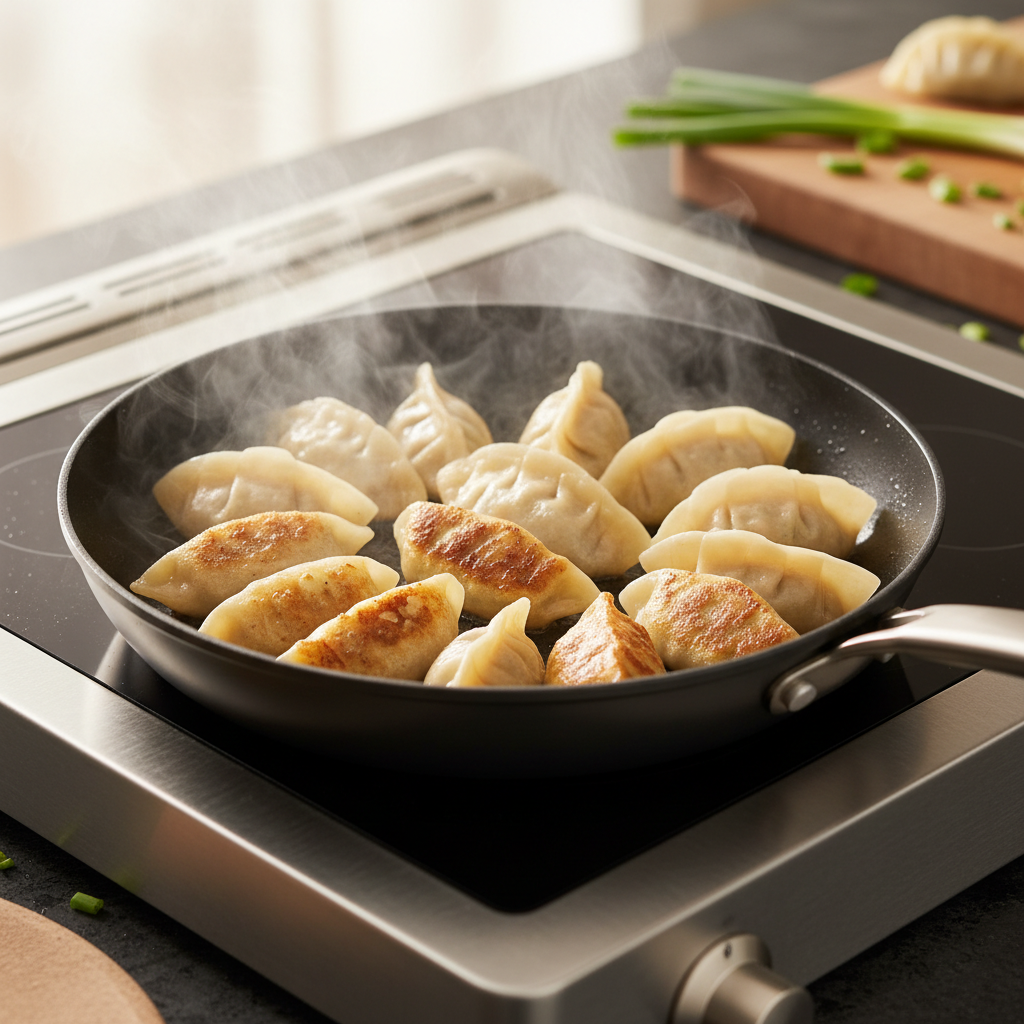
| Pan-fry + steam (potstickers) | Crispy bottom, tender top | Brown in oil, add water, cover, then uncover to crisp | 2–3 min brown + 6–8 min steam |
Practical Tips That Prevent Leaks, Tears, and Sticking
- Don’t overfill: you should still see a clean border around the filling for sealing.
- Press out air: trapped air expands during cooking and can pop seams.
- Use cornstarch on trays: flour works, but cornstarch stays drier and less gummy.
- Keep wrappers covered: if you notice cracking edges, swap to a fresher wrapper and cover the stack better.
- Salt cabbage thoughtfully: if you salt and squeeze cabbage, reduce added salt elsewhere so filling doesn’t turn overly salty.
For many home cooks, the biggest upgrade is simply slowing down the wrap stage. When you rush, seams get sloppy and you end up “cooking filling” in the water instead of dumplings.
Common Mistakes (and the Fix That Actually Works)
- Mistake: wrappers splitting while cooking
Fix: lower the heat to a gentle simmer, and don’t overcrowd the pot. - Mistake: dumplings sticking to the steamer
Fix: use parchment with holes, cabbage leaves, or a light oil brush. - Mistake: bland filling
Fix: add a little more salt or soy sauce, plus aromatics like ginger and scallion; taste by cooking a tiny spoonful in a pan. - Mistake: greasy, heavy bite
Fix: use a meat blend that isn’t ultra-fatty, add more vegetables, and avoid overusing sesame oil.
If your goal is how to make dumplings at home easy, resist the temptation to “fix” things with more liquid. When in doubt, bind with a touch of cornstarch and chill the filling 10–15 minutes.
Make-Ahead, Freezing, and Simple Dipping Sauces
Dumplings are one of the few foods that genuinely reward batching. A bigger batch today becomes a low-effort dinner later.
How to freeze dumplings without a sticky disaster
- Place uncooked dumplings on a parchment-lined tray with space between each.
- Freeze until firm, usually 1–2 hours.
- Transfer to a freezer bag, label with date, cook from frozen.
Two easy dipping sauces
- Classic: soy sauce + rice vinegar (about 2:1) + chili crisp if you like heat.
- Ginger-scallion: soy sauce + vinegar + lots of finely sliced scallion + grated ginger.
Go easy on sugar at first. Many dumplings taste better with bright acidity than sweetness.
Key Takeaways and Next Step
Once you nail moisture control and a dependable fold, how to make dumplings at home easy stops being a question and becomes a repeatable routine. Keep wrappers covered, keep filling cohesive, don’t overstuff, and pick one cooking method to master before switching it up.
Make a small batch this week, freeze half, then try a different filling next time. That’s usually when dumplings start feeling like “your” food instead of a one-time project.