
How to make dal fry recipe simple is mostly about two things, getting the lentils tender without turning them into glue, and building flavor fast with a quick spiced “tadka” poured on top.
If you have lentils, a few basic spices, and 30–45 minutes, you can make a comforting Indian-style dal that feels restaurant-y but still weeknight practical, no specialty tools required.
Many people get stuck because dal can taste bland even when it looks right, or it goes from “soupy” to “too thick” in five minutes, this guide covers both problems and gives you a couple of easy variations based on what’s in your pantry.
One quick note on terms, “dal” usually means lentils cooked until soft, “dal fry” often means the dal gets finished with a spiced oil tempering for extra aroma, you can keep it simple and still get that signature flavor.
What “dal fry” means in a home kitchen
In many Indian restaurants, dal fry has a distinct top layer of fragrant spices, that comes from tempering, heating whole spices and aromatics in oil or ghee, then pouring it over cooked lentils.
At home, you do not need a long spice list, if you have cumin, turmeric, and something for heat, you’re already close, the rest is “nice to have.”
- Dal base: cooked lentils + salt + turmeric, sometimes a little tomato or onion.
- Tadka (tempering): hot oil or ghee + cumin + aromatics like garlic, onion, ginger + chili.
- Finish: acidity (lemon), freshness (cilantro), optional garam masala for warmth.
Ingredients: the simple list (and smart substitutes)
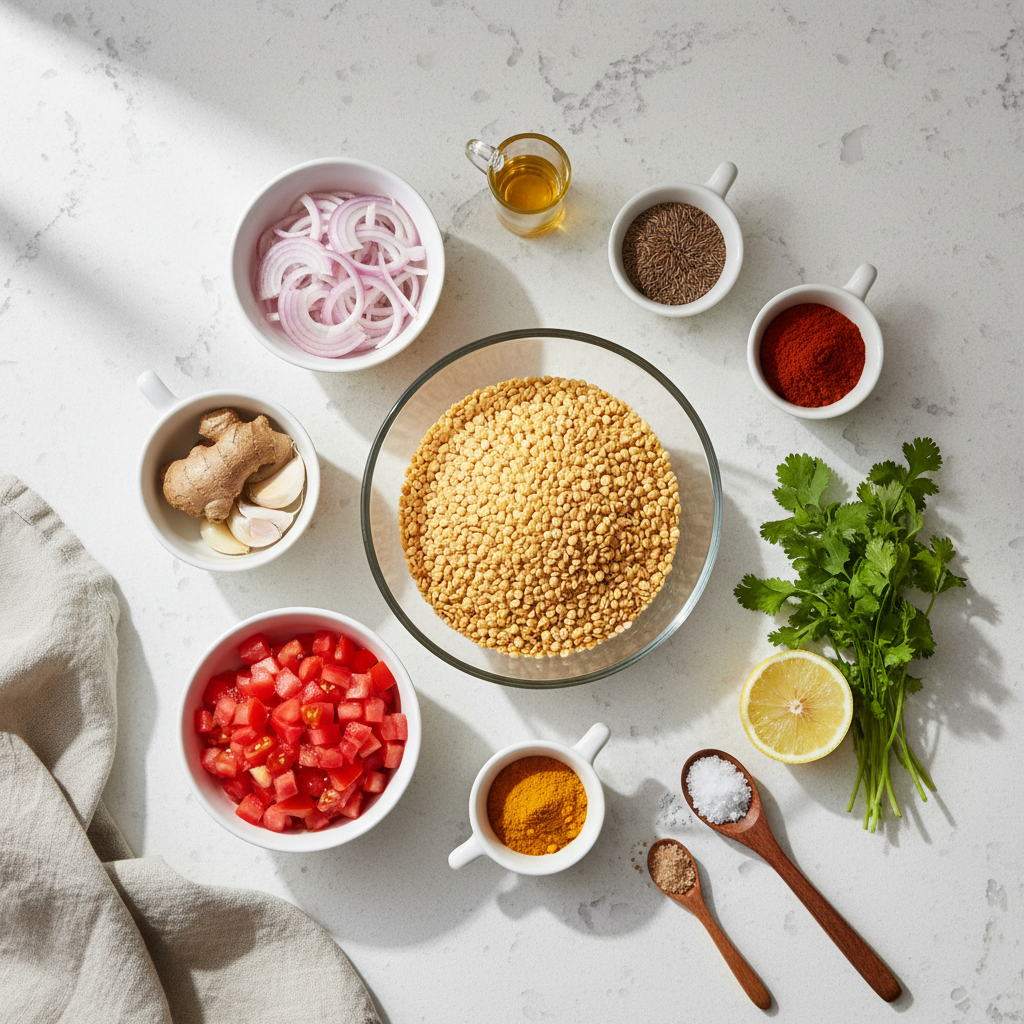
For how to make dal fry recipe simple, start with split yellow lentils (toor dal) if you can find them, but in the U.S. pantry, red lentils and yellow split peas can still work, with slightly different texture.
Core ingredients (serves 3–4)
- 1 cup lentils (toor dal, masoor dal, or moong dal)
- 4 cups water (plus more to thin)
- 1 medium onion, finely chopped
- 1 medium tomato, chopped (or 1/2 cup canned crushed tomatoes)
- 3 cloves garlic, minced
- 1 tsp grated ginger (optional but helpful)
- 1 tsp ground turmeric
- Salt to taste
Tadka (choose what you have)
- 2 tbsp oil or ghee
- 1 tsp cumin seeds
- 1/2 tsp chili powder or cayenne (adjust)
- 1/2 tsp garam masala (optional)
- Optional add-ins: mustard seeds, curry leaves, dried red chili
Easy swaps table
| Ingredient | If you don’t have it | What changes |
|---|---|---|
| Toor dal | Red lentils (masoor) | Cooks faster, breaks down more, creamier body |
| Ghee | Neutral oil | Less buttery aroma, still very good |
| Fresh tomato | Canned crushed tomato | More consistent, slightly deeper flavor |
| Curry leaves | Skip, add more cilantro + lemon | Less “restaurant” aroma, still balanced |
| Garam masala | Ground cumin + pinch cinnamon | Less complex, but still warm |
Step-by-step: how to make dal fry recipe simple
How to make dal fry recipe simple goes smoother if you treat it as two mini-cooks, get the lentils tender, then build the aroma in a separate pan and combine.
1) Rinse and cook the lentils
- Rinse lentils in a fine-mesh strainer until the water runs less cloudy.
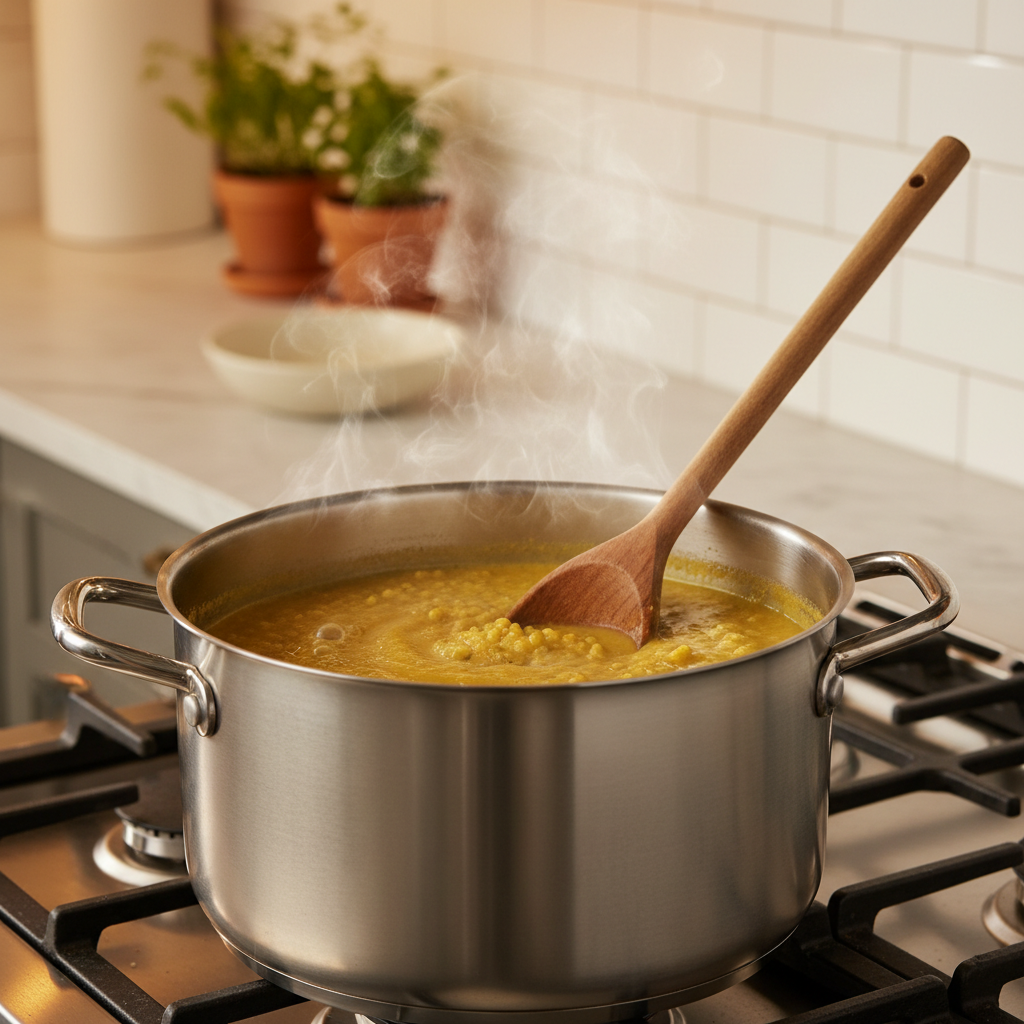
- Add lentils to a pot with 4 cups water and turmeric, bring to a boil, then lower to a steady simmer.
- Simmer uncovered 20–35 minutes depending on lentil type, stir occasionally.
- Skim foam if you see it, it helps the flavor feel cleaner.
- Salt lightly near the end, then adjust after the tadka.
Texture target: the lentils should crush easily with a spoon, but you can still decide whether you want it rustic (chunkier) or smoother (more stirred).
2) Make a quick onion-tomato base (optional but worth it)
- In a skillet, heat 1 tbsp oil.
- Sauté onion 5–7 minutes until soft and lightly golden.
- Add garlic and ginger, cook 30–60 seconds until fragrant.
- Add tomato and a pinch of salt, cook 3–5 minutes until jammy.
Stir this into the pot of lentils and simmer 3 minutes, it makes the dal taste “finished,” not like plain lentils with spices.
3) Temper the spices (the dal fry signature)
- Heat 1 tbsp oil or ghee in the same skillet on medium-high.
- Add cumin seeds, when they sizzle and smell nutty (10–20 seconds), add chili powder or dried chili.
- Optional: add garam masala for 5–10 seconds, keep it brief so it doesn’t taste raw or bitter.
- Immediately pour the hot tadka over the dal, stir, then taste.
Timing matters: if spices sit too long in hot oil, they can darken and turn harsh, pull the pan off heat if your stove runs hot.
Quick self-check: why your dal tastes “off”
If you tried how to make dal fry recipe simple before and it felt underwhelming, it’s usually one of these, the fix is small but specific.
- Bland: not enough salt, or no acidity, add salt gradually, finish with lemon.
- Flat aroma: tadka oil not hot enough, cumin should sizzle right away.
- Too thick: dal tightens as it cools, thin with hot water, not cold, and simmer 2 minutes.
- Too watery: simmer uncovered 5–10 minutes and stir more to break down lentils.
- Raw spice taste: turmeric/chili not cooked in fat at least briefly, do a quick tadka even if minimal.
- Too spicy: add a spoon of yogurt on the side, or stir in a small knob of butter, then recheck salt.
Flavor upgrades that still keep it “simple”
You don’t need all of these, pick one or two, that’s usually enough to make your how to make dal fry recipe simple routine feel like a keeper.
- Finish with lemon + cilantro: brightens heaviness fast.
- Use ghee for the tadka: richer aroma, especially with cumin.
- Add a pinch of smoked paprika: not traditional everywhere, but it can add a gentle smoky note in U.S. kitchens.
- Bloom garlic: slice garlic and lightly brown it in the tadka for a bolder top note.
- Add a tiny pinch of sugar: helpful if tomatoes taste sharp, don’t overdo it.
Practical cooking tips for U.S. kitchens (stovetop and Instant Pot)
Most American home kitchens can do this on a single burner and one skillet, but pressure cookers make it more hands-off, especially on busy nights.
Stovetop timing guide
- Red lentils: 15–20 minutes
- Moong dal (split): 20–25 minutes
- Toor dal: often 30–45 minutes, varies by brand and age
Instant Pot approach (general guidance)
Cook times vary by model and lentil type, so treat this as a starting point and adjust next round.
- Rinse lentils, add water and turmeric, pressure cook, then natural release for a few minutes if you can.
- Make tadka separately in a small pan and stir it in at the end.
According to USDA Food Safety and Inspection Service, cooked foods should be cooled and refrigerated promptly, so if you meal prep dal, portion it and chill within a reasonable time window, then reheat until steaming hot.
Serving, storage, and meal-prep ideas
Dal fry is forgiving, and that’s part of why learning how to make dal fry recipe simple pays off, it works for quick dinners, work lunches, and low-effort batch cooking.
Ways to serve
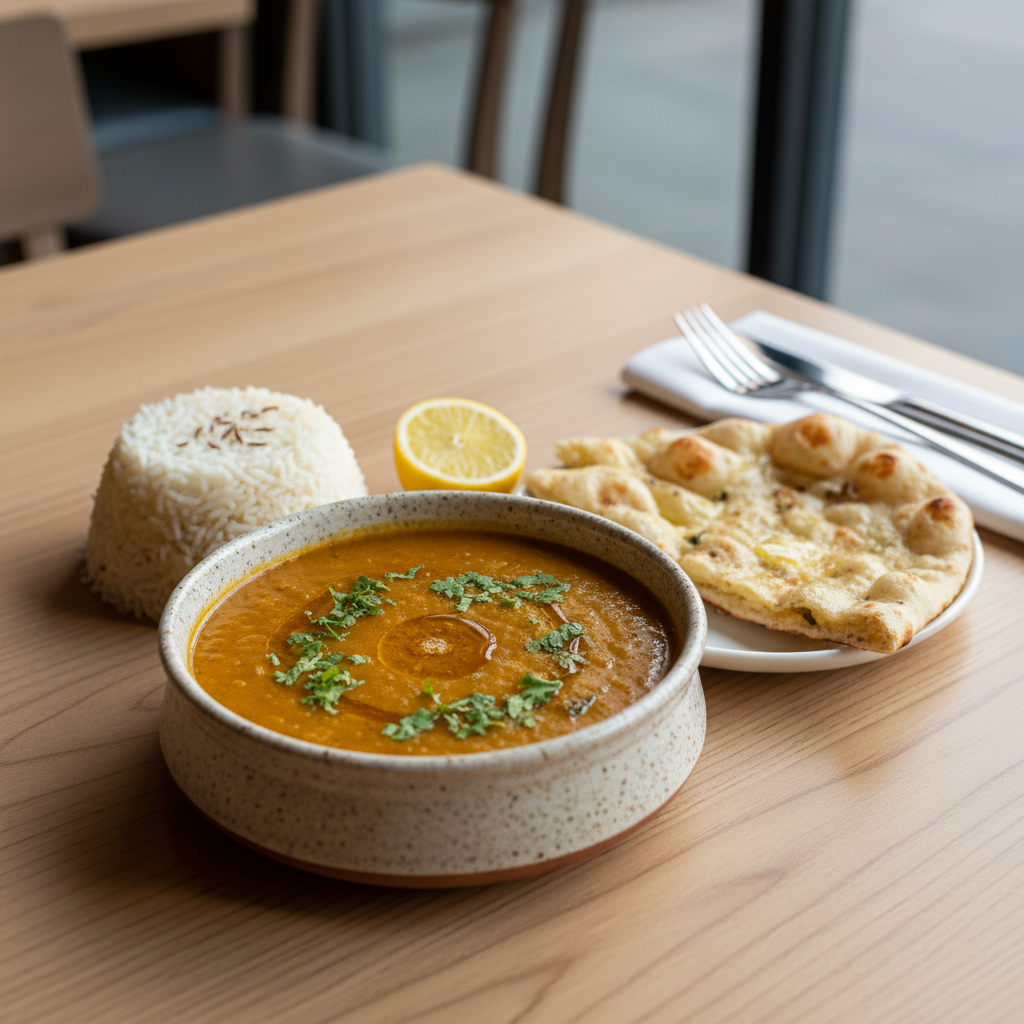
- With basmati rice or brown rice
- With naan, roti, or even warm tortillas in a pinch
- As a bowl: dal + rice + cucumber + yogurt + cilantro
Storage
- Refrigerate in a sealed container, it often tastes better the next day.
- Expect thickening, add a splash of water when reheating and simmer 2–3 minutes.
- Freeze in portions if you want, texture can soften a bit more after thawing.
Key takeaways (so you can cook without overthinking)
- Cook lentils until spoon-soft, then decide chunky vs smooth by stirring.
- Tadka is the payoff, hot oil + cumin + aromatics, poured in right away.
- Salt and acidity fix “bland” more often than extra spice does.
- Dal thickens as it sits, keep hot water nearby to adjust.
Conclusion: make it once, then make it yours
If you came here for how to make dal fry recipe simple, the real win is building a repeatable base, tender lentils plus a quick tempering, then tweaking heat, tang, and thickness to match your weeknight mood.
Pick one lentil you can easily buy, cook it twice in the next two weeks, and take notes on water level and salt, that small repetition usually turns dal from “a recipe” into a reliable dinner.
FAQ
- What lentils are best for a simple dal fry in the U.S.?
Red lentils are easiest to find and cook fast, but they break down more, if you want a more classic dal fry texture, look for toor dal at an Indian grocery or online. - Can I make dal fry without onion and tomato?
Yes, it can still taste good if your tadka is strong and you finish with lemon, but the onion-tomato base usually makes the flavor feel rounder. - Why did my dal turn bitter?
Often the spices sat too long in hot oil, or garam masala burned, keep tempering brief and pull the pan off heat if things darken quickly. - How do I fix dal that’s too spicy?
Add more cooked lentils if you have them, or mellow with yogurt on the side, a small amount of butter can soften the heat, then recheck salt. - Do I need to soak lentils first?
Usually no for split lentils, rinsing is more important, soaking can help older toor dal cook faster, but it’s optional. - Can I use canned lentils?
You can, for speed, but the texture and flavor are different, simmer them briefly with turmeric and salt, then rely on a good tadka for aroma. - Is dal fry healthy?
Lentils provide protein and fiber, but “healthy” depends on your needs and how much oil or ghee you use, if you have specific dietary concerns, consider asking a registered dietitian.
If you’re cooking for a household that wants quick comfort food, keeping a small “dal fry kit” in your pantry, lentils, cumin, turmeric, chili, and canned tomatoes, can make this meal feel almost as easy as pasta, without losing that cozy, spiced payoff.