
How to make ginger tea fresh ginger is simpler than most people think, but making it healthy takes a little judgment around portions, steep time, and what you add afterward.
If your ginger tea tastes painfully spicy, turns bitter, or upsets your stomach, it usually is not “bad ginger”, it is technique, too much ginger, or the wrong add-ins for your body.
This guide stays practical: how to pick and prep ginger, how long to steep for your goal, what to add for flavor without turning it into sugar water, and when ginger tea might not be a great fit.
What “healthy” ginger tea usually means in real life
“Healthy” depends on your goal, but for most people it comes down to three things: reasonable ginger strength, minimal added sugar, and ingredients that fit your body (reflux, blood pressure meds, pregnancy, etc.).
According to the National Center for Complementary and Integrative Health (NCCIH), ginger has a history of use for nausea and digestion, but it can cause side effects for some people and may interact with certain medications.
- For digestion and post-meal comfort: lighter brew, warm, not too concentrated.
- For sore throat “comfort”: medium brew with lemon, optional honey, not scalding hot.
- For caffeine-free sipping: mild brew you can drink more than once a day without irritation.
One quick mindset shift helps: ginger tea is not a cleanse, it is a simple infusion, so the healthiest version is often the one you can drink consistently without overdoing it.
Choosing and prepping fresh ginger (this is where flavor starts)
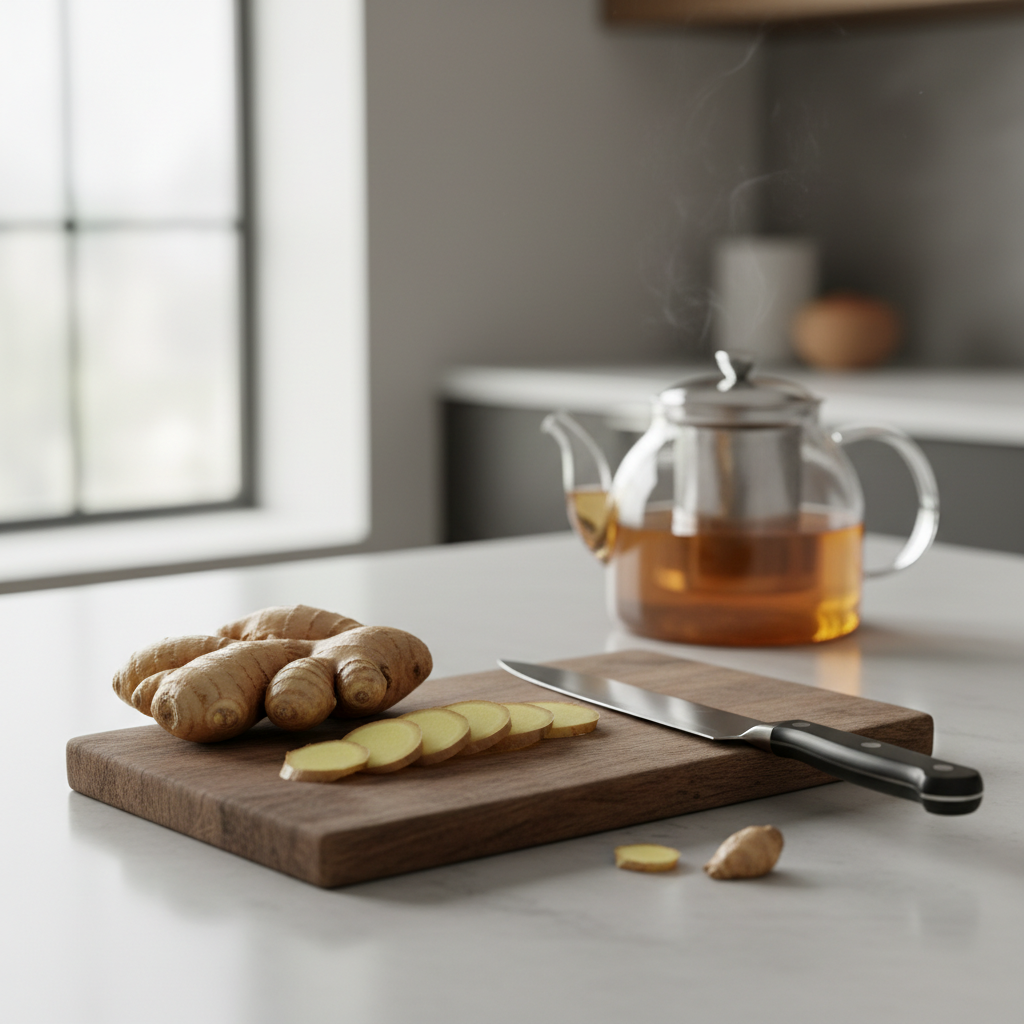
When people say their tea tastes dull, it often traces back to old ginger that has dried out. You want ginger that feels firm, not shriveled, with smooth skin and a clean, spicy smell.
Pick the right piece at the store
- Firm and heavy for its size, no soft spots or mold.
- Thin skin usually means less fiber and easier slicing.
- Lots of knobby “fingers” often gives stronger flavor, but it is harder to peel.
Wash, peel, and cut for your preferred intensity
- Wash well, ginger grows in soil, grit shows up fast in tea.
- Peeling is optional if skin looks clean, but peeling reduces any earthy taste.
- Slice = balanced, grate = stronger, smash = strongest because more surface area hits the water.
If you are learning how to make ginger tea fresh ginger for the first time, start with thin slices. Grating is powerful and easy to overdo.
The core method: steeping vs simmering (and when to use each)
You can make fresh ginger tea two main ways. Neither is “right”, they just produce different results.
Method A: Steep (milder, less harsh)
This method suits people who want a gentler cup, or who notice ginger triggers reflux.
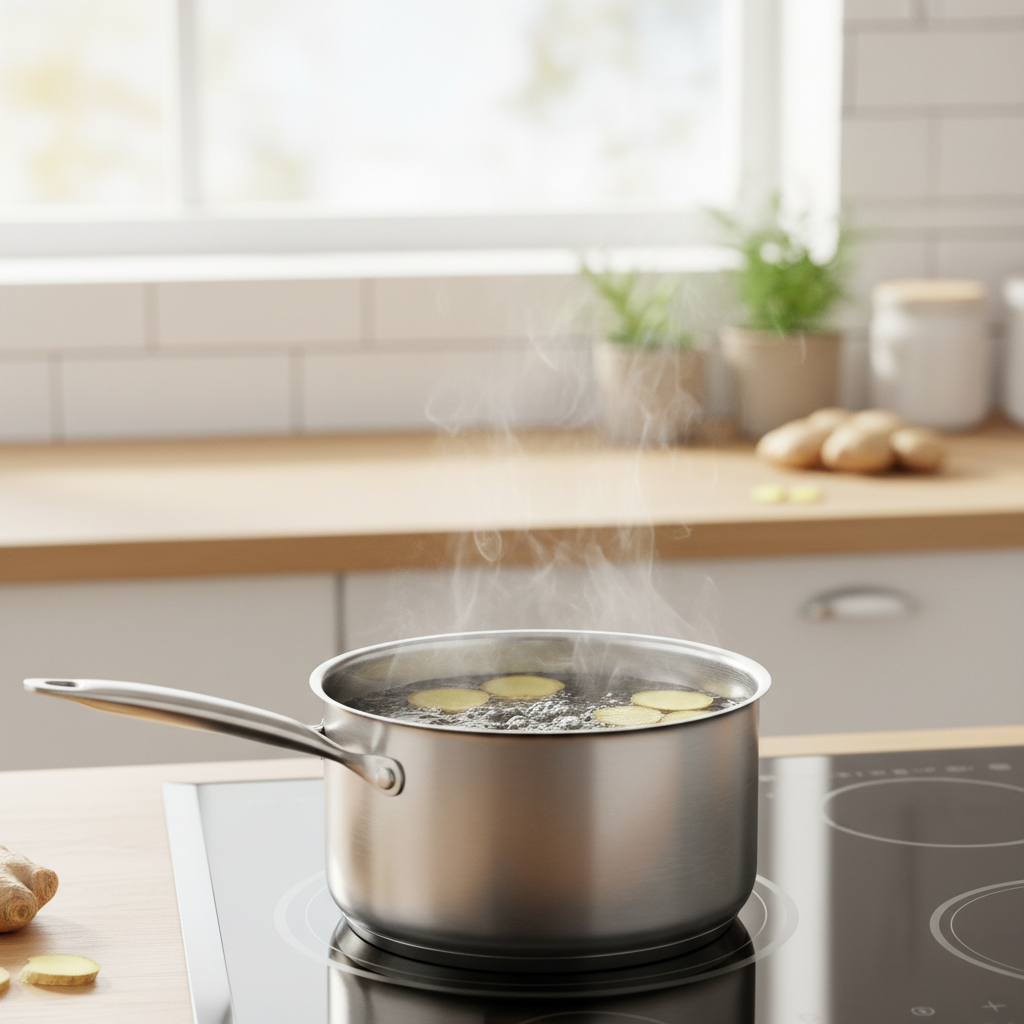
- Bring water to a boil, then turn heat off.
- Add sliced ginger (start small), cover, steep 5–10 minutes.
- Strain and taste, then adjust next time instead of forcing it stronger now.
Method B: Simmer (stronger, more “ginger bite”)
Simmering extracts more, but it can also feel sharper on an empty stomach.
- Add water and ginger to a pot, bring to a light boil.
- Reduce to a gentle simmer 10–20 minutes.
- Strain, then dilute with hot water if it comes out too intense.
Key point: simmering longer is not automatically healthier, it is just stronger, and strong is not always what your stomach wants.
Portion guide: how much ginger per cup (a practical table)
Fresh ginger varies a lot, so treat this as a starting range. If you feel burning in your chest, nausea, or stomach irritation, pull back.
| Goal | Ginger amount (per 8–12 oz water) | Cut | Time | Notes |
|---|---|---|---|---|
| Gentle daily sipping | 2–4 thin slices | Sliced | 5–8 min steep | Easy on stomach for many people |
| Stronger warming cup | 5–8 slices | Sliced or lightly smashed | 10–15 min simmer | Dilute if too spicy |
| Quick “ginger kick” | 1–2 tsp grated | Grated | 5–10 min steep | Strain well, can feel intense |
Healthy add-ins: what helps, what quietly ruins the cup
The healthiest ginger tea is often the one that stays simple. Add-ins are fine, but they can turn a soothing drink into a sugar-heavy beverage fast.
Good options (for most people)
- Lemon juice or peel: bright flavor, helps you use less sweetener.
- Cinnamon stick: warmer taste without sugar, especially with simmer method.
- Mint: fresh finish, useful when ginger feels too heavy.
- Honey (small amount): better as a flavor accent, not the main event.
Use caution with these
- Big sugar pours (agave, syrups, sweetened juice): easy to overdo, makes “healthy tea” questionable.
- Apple cider vinegar: trendy, but can irritate reflux-prone stomachs.
- Turmeric + black pepper: popular combo, but some people find it harsh, and interactions can matter depending on medications.
According to the American Heart Association, limiting added sugars supports overall heart health, so if “healthy” is your target, sweeten lightly or not at all.
Quick self-check: is ginger tea a good idea for you today?
Most people tolerate a modest cup well, but your situation matters more than internet recipes.
- You might start mild if you get heartburn, gastritis, or feel “burny” after spicy foods.
- You might avoid or ask a clinician first if you take blood thinners, have a bleeding disorder, or are preparing for surgery.
- Pregnancy or breastfeeding: ginger is commonly used for nausea, but dose and timing matter, check with an OB-GYN or midwife if you plan frequent use.
- Gallbladder issues: some people prefer to check with a professional before using concentrated ginger regularly.
If you feel lightheaded, get a rash, or notice unusual symptoms, stop and consider talking with a healthcare professional. Tea feels “natural”, but your body still has to process it.
Step-by-step: a balanced fresh ginger tea recipe (and tweaks)
This is a reliable baseline that tastes clean, not punishing. It also scales well for a small pot.
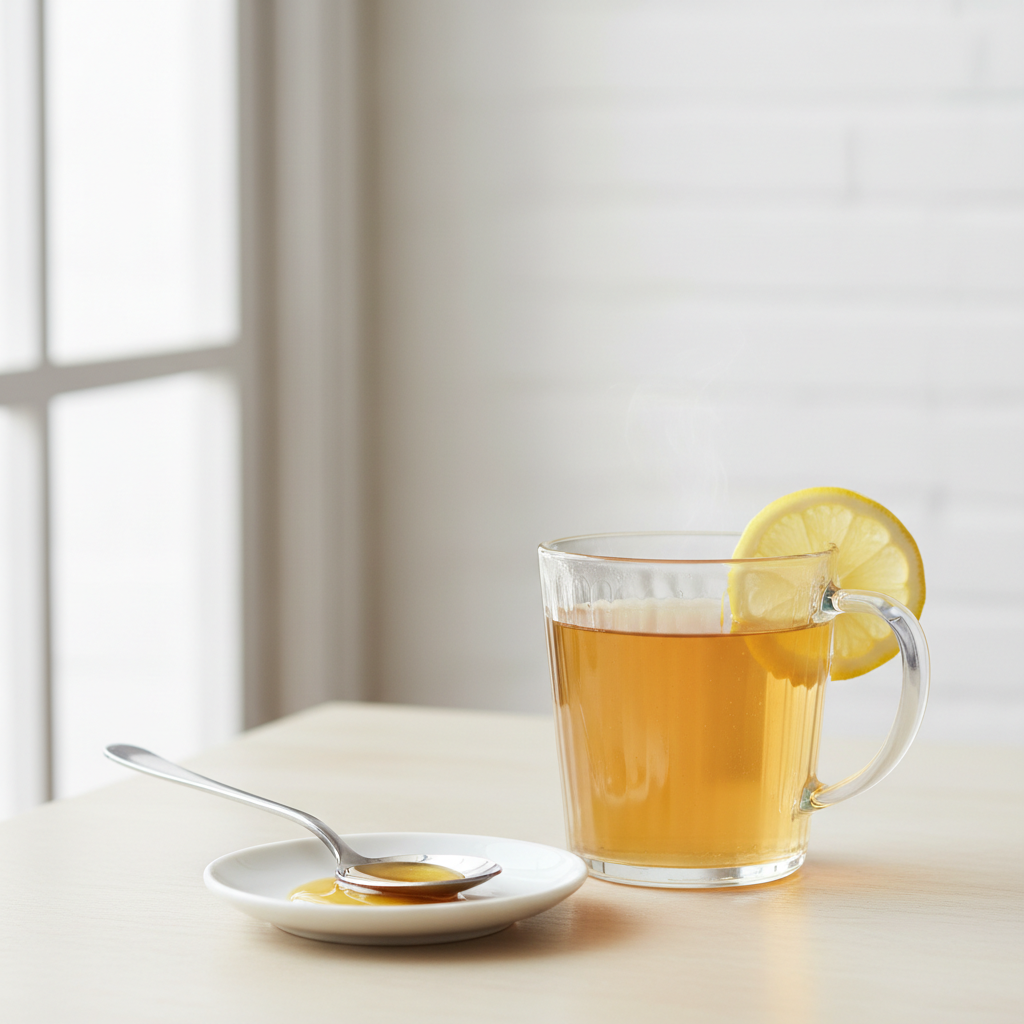
Balanced recipe (1 large mug)
- 10–12 oz water
- 4–6 thin slices fresh ginger (about the size of a quarter)
- Optional: lemon wedge
- Optional: 1 tsp honey, added after it cools slightly
Directions: Bring water to a boil, turn off heat, add ginger, cover 8 minutes. Strain, add lemon. If using honey, wait until the tea is warm rather than piping hot, then stir.
Easy tweaks without wrecking the “healthy” part
- Too spicy: reduce ginger or steep time, or add more hot water after straining.
- Too weak: add 1–2 slices next time, or simmer for 5 minutes instead of steeping.
- Want it iced: brew slightly stronger, cool, then pour over ice, add lemon.
Key takeaways: use fresh, slice thin, start mild, keep sweeteners modest, and adjust in the next batch instead of “fixing” a harsh cup with sugar.
Common mistakes that make ginger tea less healthy (or just unpleasant)
- Using too much ginger to chase a “detox” effect: often backfires with stomach irritation.
- Boiling aggressively for a long time: can make the cup harsher, especially with grated ginger.
- Sweetening by habit: many people add sweetener before tasting, then wonder why it feels heavy.
- Drinking it on an empty stomach: some people do fine, others feel nauseated.
- Not straining grated ginger well: the sediment can feel sharp and peppery.
Conclusion: keep it simple, consistent, and body-aware
If you have been trying to figure out how to make ginger tea fresh ginger in a way that actually feels good, the win is usually a lighter, cleaner brew that you can repeat, not the strongest cup possible.
Make one small change next time: slice instead of grate, steep instead of simmer, or cut sweetener in half and use lemon for flavor. If you have medical conditions or take medications that could interact, it is smart to check with a qualified professional before making ginger tea a daily habit.