
Best healthy smoothie recipes for weight loss work when they keep you full, steady your energy, and fit your actual mornings, not when they’re just fruit blended with good intentions.
If you’ve tried “healthy” smoothies that left you hungry an hour later, you’re not doing anything wrong, it’s usually a recipe balance issue. Many weight-loss smoothies fail because they’re low in protein and fiber, and quietly high in sugar.
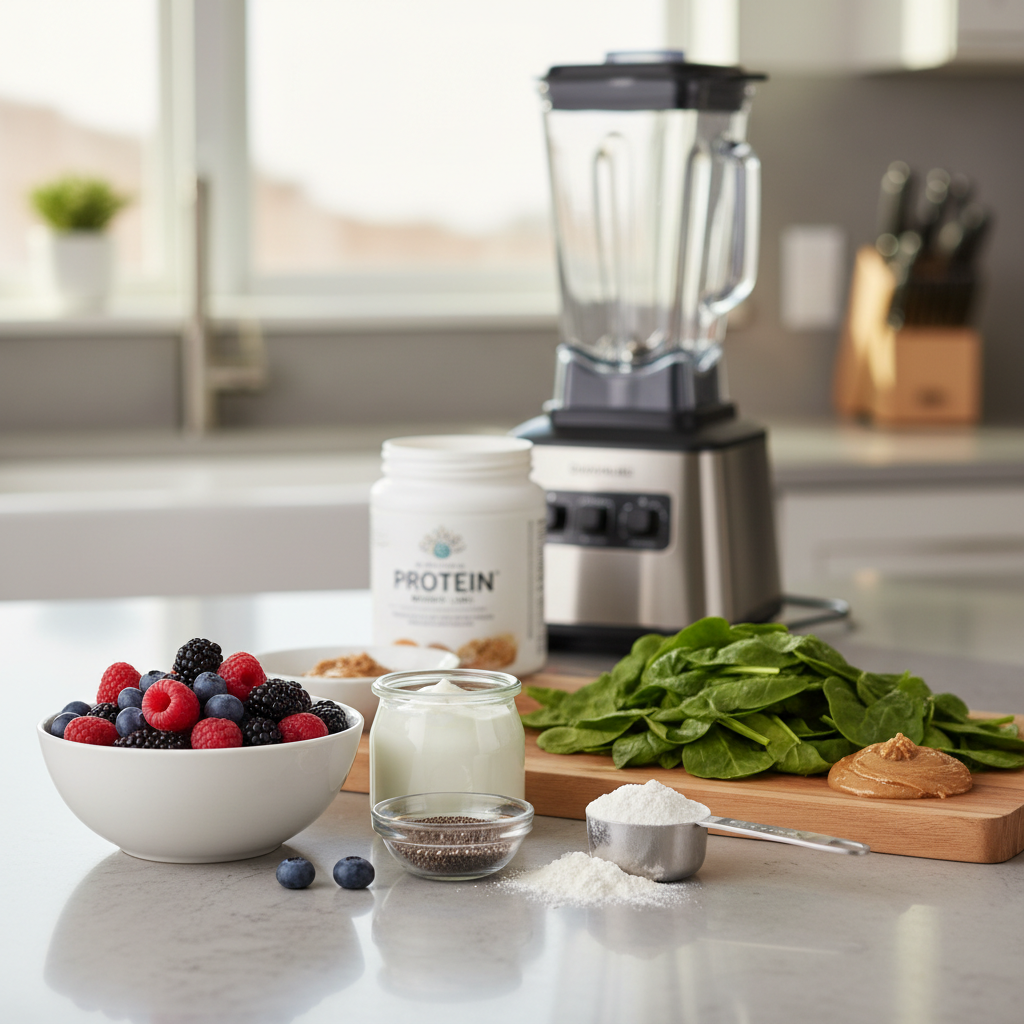
This guide gives you recipes you can repeat, a simple way to “build” your own smoothie, and a few reality checks so you don’t sabotage results with portions or add-ins that sound virtuous but add a lot of calories.
Quick note: weight loss is personal, and medical conditions and medications can change what “healthy” looks like. If you’re managing diabetes, kidney disease, pregnancy, or a history of eating disorders, it’s worth checking in with a clinician or registered dietitian.
What makes a smoothie actually weight-loss friendly
A smoothie can be a solid meal replacement, but only if it behaves like a meal. That usually means enough protein, enough fiber, and a portion size you can repeat most days.
- Protein first: many people do better with roughly 20–35g protein at breakfast, depending on body size and goals.
- Fiber matters: berries, chia, flax, oats, and leafy greens help with fullness.
- Watch “liquid calories”: juice, sweetened milks, and large banana-heavy blends add up fast.
- Include some fat: small amounts of nut butter, avocado, or seeds can slow digestion and improve satisfaction.
According to the USDA, dietary patterns that emphasize nutrient-dense foods like fruits, vegetables, and lean proteins support overall health, which is the lane you want even when your goal is fat loss.
A simple formula: build your own smoothie (without overthinking)
If you want “grab-and-go” consistency, stop hunting for a new recipe every week and use a formula. This keeps the calories and macros predictable.
The base template
- Liquid (8–12 oz): water, unsweetened almond milk, unsweetened soy milk, or low-fat milk
- Protein (1 serving): Greek yogurt, cottage cheese, protein powder, silken tofu
- Fiber/greens (1–2 cups): spinach, kale, riced cauliflower, zucchini
- Fruit (1/2–1 cup): berries, cherries, pineapple, or half a banana
- Healthy fat (1–2 tsp): chia, flax, nut butter, or 1/4 avocado
- Flavor boosters: cinnamon, cocoa, vanilla, coffee, lemon, ginger
Keep fruit portions honest and you’ll be surprised how sweet a smoothie tastes once you add cinnamon, vanilla, or cocoa and use frozen berries.
Best healthy smoothie recipes for weight loss (7 you can repeat)
Each recipe below aims for a balanced “meal smoothie” feel. If you’re using protein powder, pick a product that fits your preferences and tolerances, and if you’re sensitive to caffeine or sugar alcohols, scan labels carefully.
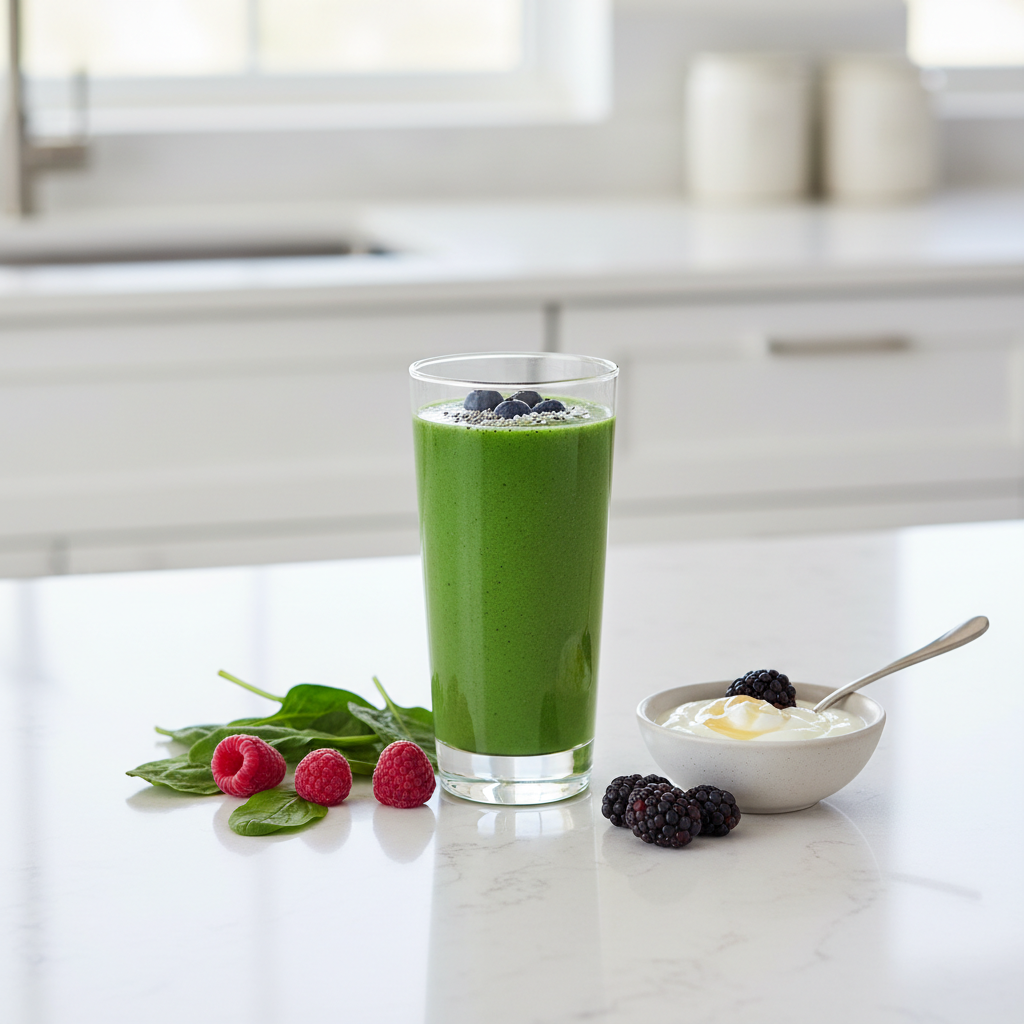
1) Berry-Greek Yogurt “Stay Full” Smoothie
- Liquid: 1 cup unsweetened almond milk
- Protein: 3/4 cup plain Greek yogurt
- Fruit: 1 cup frozen mixed berries
- Fiber/fat: 1 tbsp chia seeds
- Flavor: 1/2 tsp cinnamon, ice as needed
Why it works: tart berries plus high-protein yogurt keeps this from turning into dessert.
2) Chocolate-Peanut “Breakfast That Doesn’t Feel Like Dieting”
- Liquid: 1 cup low-fat milk or soy milk
- Protein: 1 scoop chocolate protein powder (or plain + cocoa)
- Fiber: 1 tbsp ground flax
- Fruit: 1/2 frozen banana
- Fat: 1 tbsp peanut butter
Tip: if you’re calorie-conscious, start with 1–2 teaspoons peanut butter and scale up only if hunger stays high.
3) Green Citrus-Ginger Smoothie (lighter, still balanced)
- Liquid: 1 cup water + squeeze of lemon
- Protein: 3/4 cup kefir or drinkable yogurt (unsweetened if possible)
- Greens: 2 cups spinach
- Fruit: 1/2 cup frozen pineapple
- Flavor: 1 tsp grated ginger, ice
This one hits “fresh” more than “creamy,” great when you want something less heavy.
4) Coffee-Protein Smoothie (for busy mornings)
- Liquid: 3/4 cup cold brew + 1/4 cup milk
- Protein: 1 scoop vanilla protein powder
- Fiber: 1 tbsp chia seeds
- Optional: 1/4 cup oats for more staying power
If caffeine affects appetite or anxiety for you, switch to decaf coffee or skip this recipe.
5) Cottage Cheese Berry Smoothie (high protein, very filling)
- Liquid: 1/2–1 cup water or milk (adjust thickness)
- Protein: 3/4 cup low-fat cottage cheese
- Fruit: 1 cup frozen strawberries
- Flavor: 1 tsp vanilla, pinch of salt
Don’t knock cottage cheese in a blender, the texture turns surprisingly smooth.
6) Tropical Tofu Smoothie (dairy-free, creamy)
- Liquid: 1 cup unsweetened soy milk
- Protein: 1/2 cup silken tofu
- Fruit: 1/2 cup frozen mango
- Fiber/fat: 1 tbsp hemp seeds
- Flavor: lime zest or a squeeze of lime
Good option if dairy doesn’t agree with you and you still want a satisfying texture.
7) Apple Pie Oat Smoothie (sweet without dessert vibes)
- Liquid: 1 cup unsweetened almond milk
- Protein: 1 scoop vanilla protein powder or 3/4 cup Greek yogurt
- Fiber: 1/3 cup rolled oats
- Fruit: 1 small apple (cored, chopped)
- Flavor: cinnamon + nutmeg
Blend longer so the apple fully breaks down, and use ice if you like it thicker.
Quick comparison table: choose the right smoothie for your day
If you want the best healthy smoothie recipes for weight loss to feel practical, match the recipe to the problem you’re solving, hunger, time, or cravings.
| Goal | Best pick | Why people stick with it |
|---|---|---|
| Stay full until lunch | Cottage Cheese Berry | Higher protein, thick texture |
| Control sweet cravings | Chocolate-Peanut | Cocoa + fat feels dessert-like |
| Light and refreshing | Green Citrus-Ginger | Lower “heavy” mouthfeel |
| No time, need caffeine | Coffee-Protein | Breakfast + coffee in one |
| Dairy-free but creamy | Tropical Tofu | Silken tofu blends smooth |
Self-check: why your “healthy” smoothie might stall progress
This is the part most people don’t want to hear, but it saves time. If your smoothie isn’t working, it’s usually one of these.
- It’s basically fruit juice: too much fruit, too little protein.
- Portions drift: “one tablespoon” nut butter becomes a heaping spoon.
- Add-ons pile up: granola, honey, sweetened yogurt, plus juice, all in one cup.
- You’re drinking it too fast: satiety signals lag, sipping for 10–15 minutes can help some people.
- It replaces a small breakfast with a bigger one: smoothies can be stealth-calorie dense.
According to the CDC, healthy weight loss tends to come from sustainable eating patterns and realistic changes, not a single “magic” food, smoothies included.
Practical prep: make it easy enough to repeat
Consistency beats novelty. If mornings are chaotic, set yourself up so the blender is the only “hard” step.
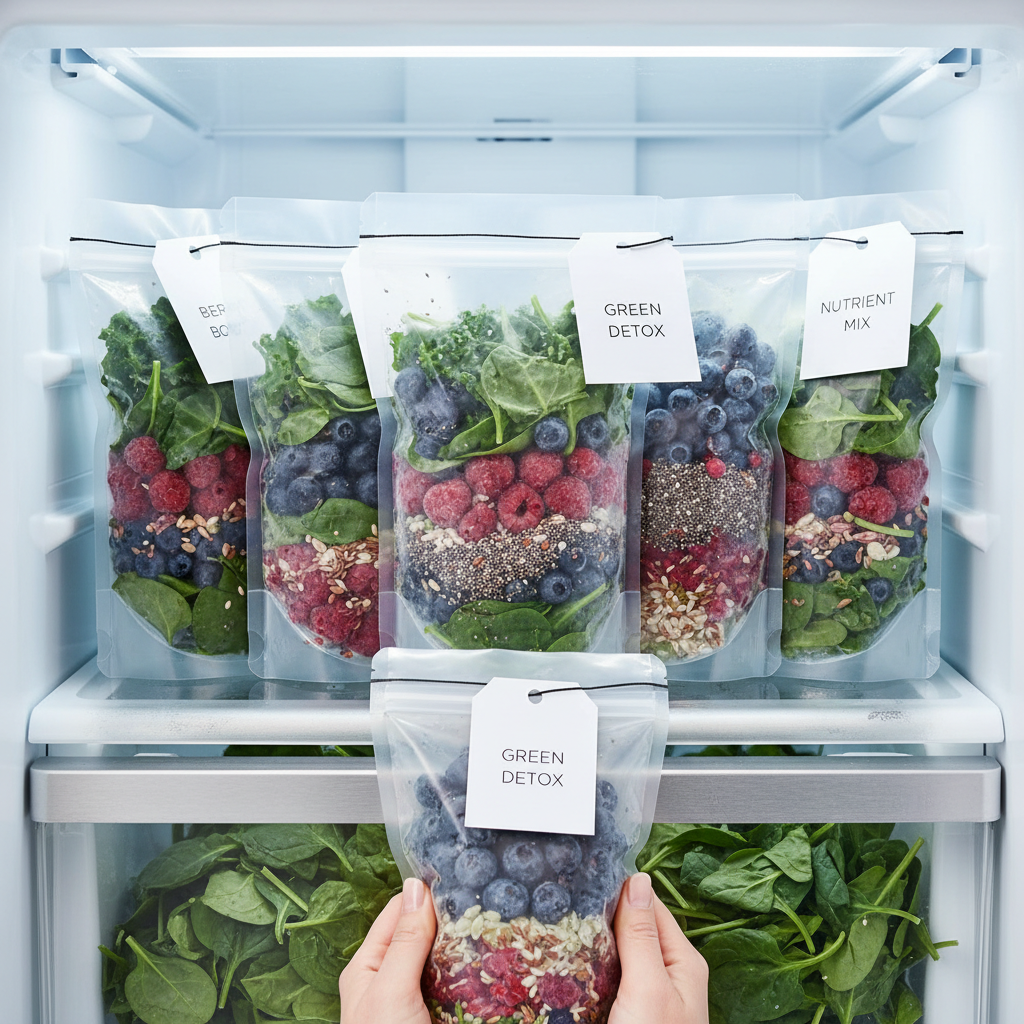
Freezer packs (10 minutes now, easier week later)
- In each bag: measured fruit + greens + seeds
- Label: recipe name and date
- In the morning: dump, add liquid + protein, blend
Portion guardrails that help
- Use a smaller blender cup (16–20 oz) if “more” is your default.
- Measure calorie-dense add-ins for a week, then eyeball once you learn the look.
- Keep a backup protein (single-serve Greek yogurt or ready-to-drink) for days you forget.
Key takeaways and a safe way to use smoothies for weight loss
Key points:
- Prioritize protein and fiber so the smoothie acts like a meal.
- Be cautious with “healthy extras” like honey, juice, and big servings of nut butter.
- Pick 2–3 go-to recipes and repeat them until results feel predictable.
- Adjust to your body, if you feel dizzy, overly hungry, or fatigued, calories may be too low or timing may be off.
For many people, the simplest approach is using a smoothie as breakfast or lunch, not both, and keeping your other meals protein-forward with plenty of produce. If you have medical conditions, or you’re unsure what calorie range is appropriate, it’s smart to ask a registered dietitian or your healthcare provider for personalized guidance.
If you want an action step today, choose one recipe above, shop for the ingredients, and pre-portion three freezer packs, it’s a small move that makes the rest of the week feel less like willpower.