
Pasta recipes get called “easy” all the time, but creamy pasta is where people usually get stuck, sauce breaks, turns gluey, or tastes flat. This guide gives you a small set of crowd-pleasing creamy options, plus the practical fixes that keep the sauce smooth and the flavor big.
Creamy doesn’t have to mean complicated, or even super heavy. Once you understand a few building blocks, pasta water, gentle heat, and the right cheese timing, you can turn weeknight ingredients into something that feels like a real meal.
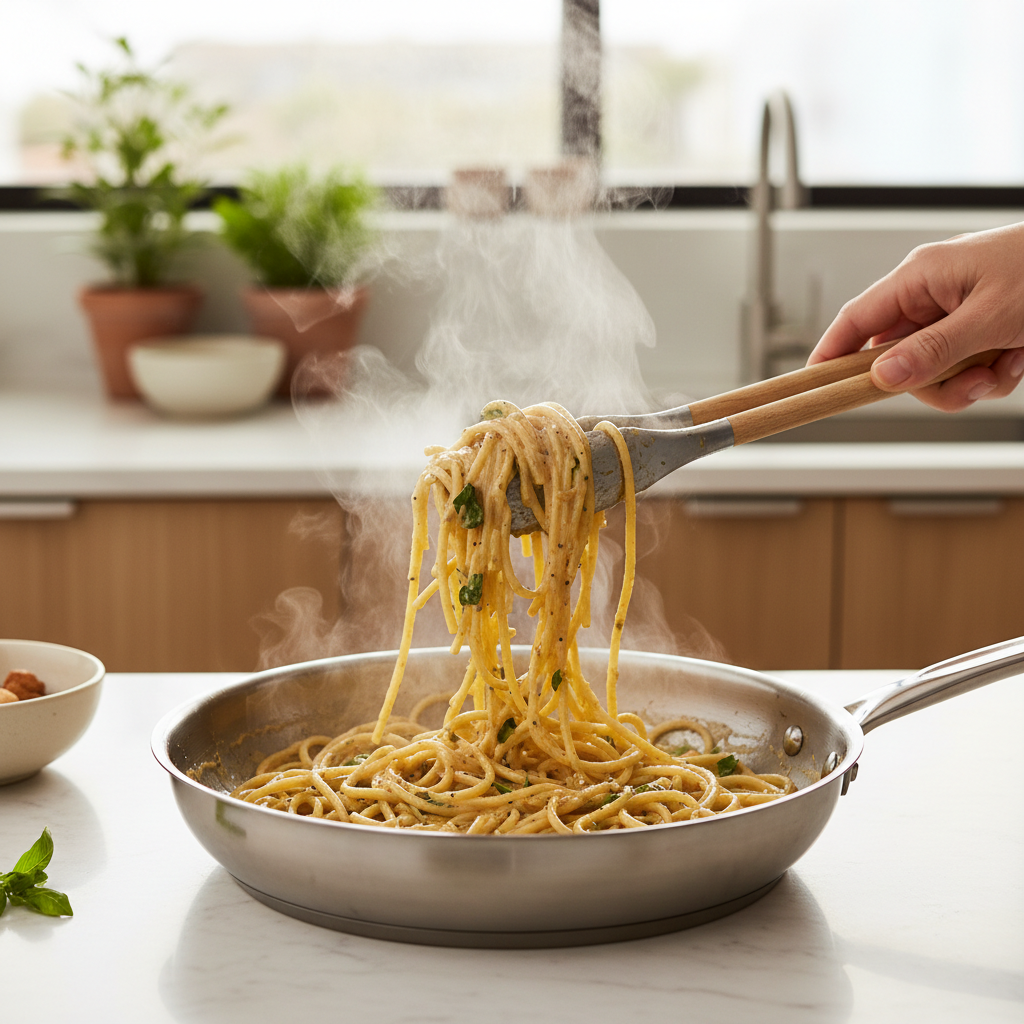
One more thing before the recipes, “creamy” can come from cream, yes, but also from emulsions and starchy pasta water, or even blended veggies. If you want comfort food without guessing, you’re in the right place.
What makes creamy pasta actually work (and what usually goes wrong)
Most failures come down to heat and timing, not your ingredients. Cream sauces look forgiving, but they behave like a delicate system once cheese and starch show up.
- Sauce breaks: high heat or boiling after adding cheese or dairy can separate fat and water, giving a greasy look.
- Sauce turns gluey: too much cheese added too fast, or sauce reduced too aggressively, can make it tight and sticky.
- Tastes one-note: creamy sauces need acid and salt balance, a squeeze of lemon, a spoon of pesto, or just enough Parmesan.
- Watery coating: pasta not finished in the sauce, or skipping starchy pasta water, so the sauce sits next to the noodles instead of clinging.
According to the USDA, leftovers should be refrigerated within about two hours for food safety, and sooner if your kitchen is warm, creamy pasta is especially worth treating carefully.
Quick self-check: pick the right creamy style for your night
If you’re deciding between a few pasta recipes, this quick checklist keeps you from overcomplicating dinner.
- Need 20 minutes: choose a cream cheese or Parmesan + pasta water sauce.
- Feeding picky eaters: go Alfredo-style, then add chicken or broccoli on the side.
- Want “restaurant” flavor: pick a vodka-style tomato cream or browned butter + sage cream.
- Trying to lighten it up: use Greek yogurt off heat, or a cauliflower-cashew blend if that works for you.
- Using what’s in the fridge: Boursin, ricotta, or leftover roast chicken can be the whole plan.
4 creamy pasta recipes everyone tends to love
These are written like real weeknight instructions, not chef school. Each one assumes you salt your pasta water and save some of it.
1) Weeknight Garlic Parmesan Cream (no fuss, big comfort)
Best for: fettuccine, linguine, penne, and basically any “I need dinner now” scenario.
- Base: butter + minced garlic, warmed gently
- Creaminess: heavy cream or half-and-half, then Parmesan off heat
- Flavor lift: black pepper, lemon zest, pinch of nutmeg if you like it
How to do it: melt butter, soften garlic 30–60 seconds, add cream and warm until steaming, not boiling. Turn heat low, add cooked pasta with a splash of pasta water, then stir in grated Parmesan gradually. If it tightens, loosen with more pasta water.
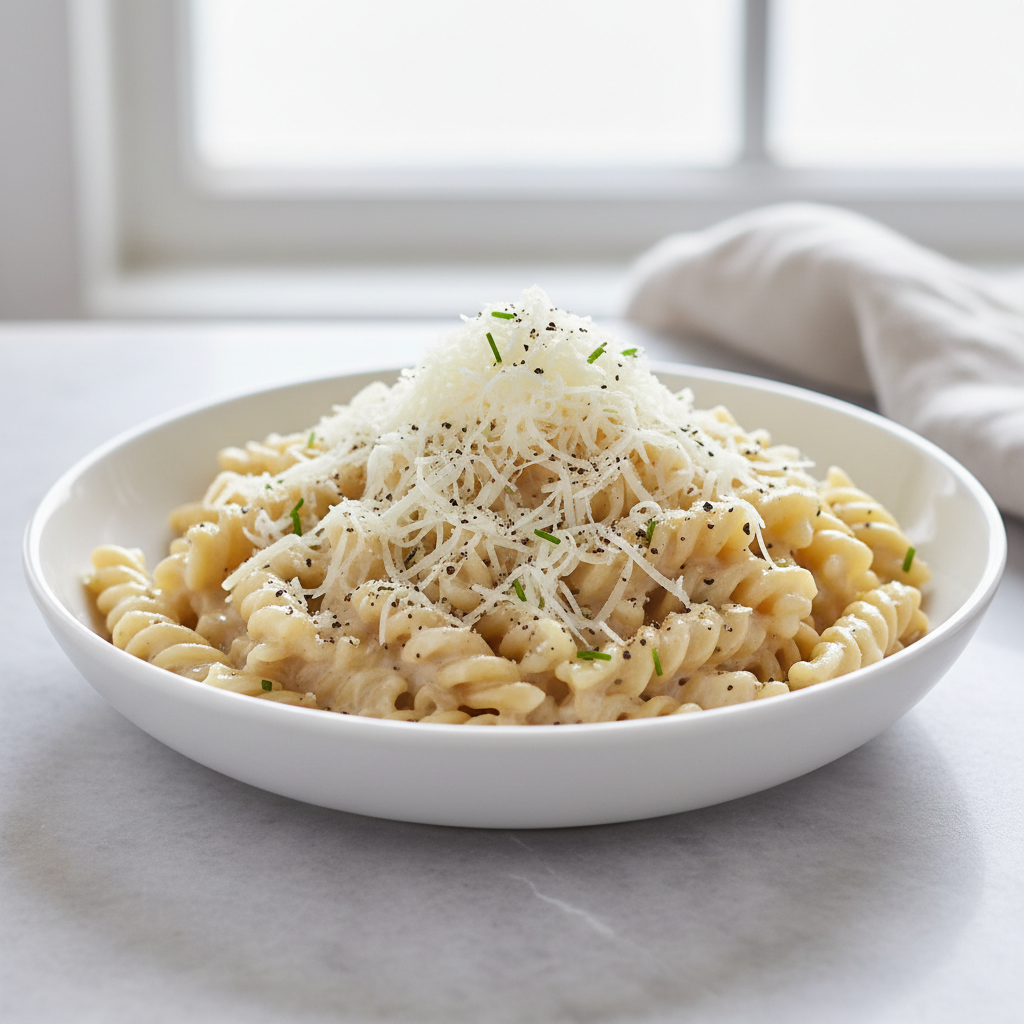
2) Creamy Tomato Vodka-Style (without overthinking the vodka)
Best for: rigatoni, penne, or shells, anything with ridges catches sauce.
- Base: tomato paste + garlic in olive oil
- Optional: a small splash of vodka for aroma, you can skip if you prefer
- Creaminess: heavy cream or coconut cream for a different vibe
How to do it: cook tomato paste in oil until it darkens slightly, this matters for depth. Add garlic briefly, then vodka if using, let it simmer a moment. Add cream and a little pasta water, then toss pasta until glossy. Finish with Parmesan or pecorino if desired.
3) Creamy Pesto Chicken Pasta (the “everyone eats it” option)
Best for: busy families, meal prep, and using up leftover chicken.
- Base: prepared pesto (store-bought is fine)
- Creaminess: a spoon of cream cheese, mascarpone, or half-and-half
- Add-ins: shredded rotisserie chicken, peas, baby spinach
How to do it: warm a little dairy in a skillet, stir in pesto off the hottest heat so it stays bright, then add pasta and chicken with pasta water to emulsify. Taste before salting since pesto and cheese are already salty.
4) Lemon Ricotta Pasta (light, creamy, and not heavy)
Best for: springy dinners, seafood add-ins, or when you want creamy without cream.
- Base: ricotta + lemon juice + zest
- Texture: loosen with pasta water until silky
- Finish: Parmesan, cracked pepper, arugula if you like bite
How to do it: mix ricotta, lemon, salt, pepper in a bowl. Add hot pasta and a few splashes of pasta water, stirring until it becomes a sauce. Add more water than you think, ricotta thickens as it sits.
A simple table: ingredients, timing, and “save this for later” notes
If you keep a small rotation of pasta recipes, this kind of cheat sheet is what actually makes it repeatable on weeknights.
| Recipe | Typical time | Most common mistake | Easy fix |
|---|---|---|---|
| Garlic Parmesan Cream | 20–25 min | Cheese clumps or sauce breaks | Lower heat, add cheese slowly, loosen with pasta water |
| Tomato Vodka-Style | 25–30 min | Flat flavor | Cook tomato paste longer, add a pinch of salt and a little acid |
| Creamy Pesto Chicken | 20–30 min | Pesto turns dull | Stir pesto in off high heat, finish with fresh lemon |
| Lemon Ricotta | 15–20 min | Too thick after 5 minutes | Add more pasta water, re-toss right before serving |
Practical steps that upgrade any creamy sauce (even boxed pasta nights)
This is the unglamorous part, but it’s the difference between “fine” and “can you make this again.”
- Salt the water properly: bland noodles never recover, even with a strong sauce.
- Reserve pasta water: add it in small splashes until the sauce looks glossy and coats.
- Finish pasta in the sauce: one minute of tossing in the pan helps everything cling.
- Grate your own cheese when you can: pre-shredded often has anti-caking agents that melt less smoothly.
- Use low heat for dairy and cheese: warm and steady beats fast and hot.
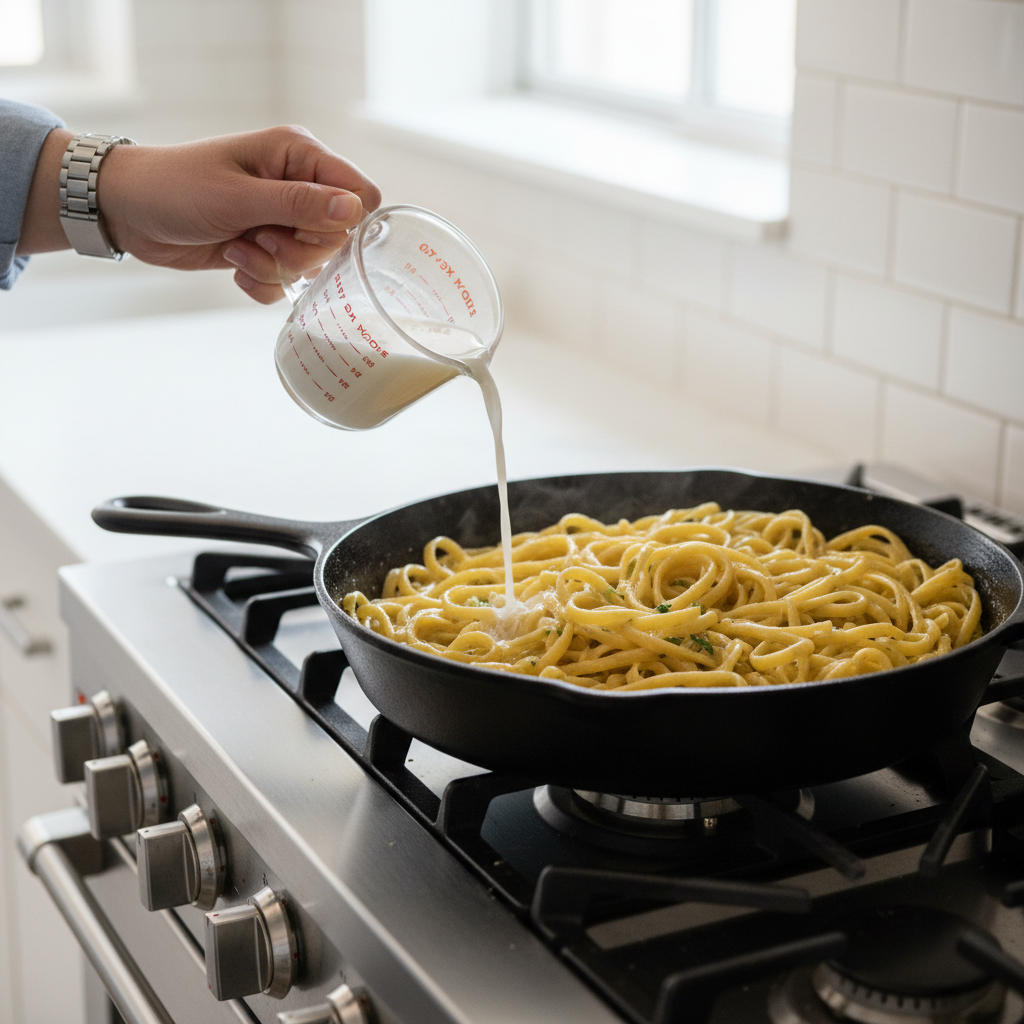
Key takeaway: if the sauce looks too thick in the pan, it will look even thicker on the plate. Adjust with pasta water right before serving.
Common misconceptions (so you don’t waste ingredients)
- “More cream fixes everything.” Not always, sometimes you need acid, pepper, or just more salt.
- “Boiling makes it faster.” With dairy, boiling often makes the texture worse, especially once cheese enters.
- “Any cheese will melt the same.” Hard aged cheeses melt smoothly when added gradually; some soft cheeses need gentler heat and more liquid.
- “I can skip pasta water.” You can, but your odds of a silky coat drop a lot.
When to adjust for diet needs or seek a pro opinion
If you’re modifying pasta recipes for allergies, medical diets, or conditions like kidney disease where sodium or protein matters, it’s smart to check with a registered dietitian or your clinician. A lot of “simple swaps” change nutrition more than people expect.
For food safety, if you’re serving older adults, pregnant people, or anyone immunocompromised, be extra cautious with how long creamy pasta sits out, and reheat leftovers thoroughly.
Conclusion: keep a creamy pasta playbook, not a thousand recipes
If you keep just two or three creamy pasta recipes you can repeat without stress, dinners get easier fast, and you stop chasing new ideas every week. Pick one comfort option, one bright option like lemon ricotta, then one “company-friendly” option like tomato cream, and you’re covered.
Tonight, choose one recipe above, save a mug of pasta water, keep the heat gentle, and taste at the end for salt and acid, that’s usually where the magic shows up.
FAQ
What pasta shape is best for creamy sauces?
Ridged shapes like rigatoni and penne hold sauce well, while long noodles like fettuccine feel classic with Alfredo-style sauces. Use what you have, but match thicker sauces to shapes with more surface area.
How do I fix a creamy sauce that turned grainy?
Graininess often comes from high heat after adding cheese. Lower heat, add a splash of warm pasta water, and stir steadily. If it’s badly broken, starting a small new base and slowly whisking the broken sauce into it can help.
Can I make creamy pasta without heavy cream?
Usually yes. Cream cheese, ricotta, mascarpone, or even a little half-and-half can work, and starchy pasta water helps create a creamy feel. For dairy-free, some people like cashew cream, but flavor changes, so taste and adjust.
Why does my sauce get thick and clumpy as it sits?
Starch and cheese keep tightening after the heat stops. Loosen with pasta water right before serving, and consider keeping the sauce slightly looser in the pan than you think you want.
Is it okay to add chicken or shrimp to these recipes?
Yes, but keep the timing clean: cook proteins separately, then add at the end so they don’t overcook while you fix the sauce. With shrimp especially, a minute too long can make it rubbery.
How long do creamy pasta leftovers last?
Many home cooks use 3–4 days in the fridge as a practical window, but it depends on ingredients and handling. For the safest approach, follow USDA food safety guidance, refrigerate promptly, store cold, and reheat until hot throughout.
How do I reheat creamy pasta without it drying out?
Use low heat with a splash of water, milk, or broth, and stir often. Microwaving works too, but do it in short bursts and loosen the sauce between bursts.