
Homemade sauce recipes are the fastest way to make everyday pasta taste like you actually planned dinner, not just survived it. If you’re stuck rotating between a marinara jar and butter, you’re not alone, most people just want sauces that are quick, forgiving, and made from ingredients that aren’t mysterious.
Here’s the good part, you don’t need ten pots or a culinary degree. You need a few reliable formulas, a sense of what you like (bright, creamy, spicy, herby), and a couple pantry staples that pull serious weight.
This guide gives you a handful of easy, repeatable sauces, plus a simple “choose-your-sauce” table, common mistakes that make sauces taste flat, and practical tips for storing and scaling. By the end, you’ll have 2–3 go-to options that fit your weeknights.
Pick your sauce by mood, time, and what’s in the fridge
Most sauce stress comes from asking the wrong question. Instead of “What’s the best sauce,” ask: how much time do I have, and do I want tomato, oil-based, or creamy.
Use this quick chooser as a starting point, then tweak from there.
| What you want | Best match | Time | Works best with |
|---|---|---|---|
| Bright, classic, not heavy | 15-Minute Pantry Marinara | 15–20 min | Spaghetti, penne, meatballs |
| Restaurant-style creamy | Silky Alfredo (No Glue Texture) | 10–15 min | Fettuccine, broccoli, chicken |
| Garlic-forward, lighter | Garlic Herb Olive Oil Sauce | 8–12 min | Linguine, shrimp, greens |
| Spicy, bold, pantry-friendly | Spicy Arrabbiata-Style Sauce | 15–25 min | Penne, rigatoni, sausage |
| “I have lemons and cheese” | Simple Lemon-Parmesan Sauce | 10 min | Angel hair, asparagus, peas |
Key point: the pasta shape matters less than you think, but “grabby” shapes (penne, rigatoni) hold chunky sauces better, long noodles love silky ones.
Why homemade sauces taste better (and where people mess up)
There’s no magic, it’s usually about fat, acid, and salt balance, plus heat control. When a sauce tastes “fine but boring,” it’s often missing one of these.
- Not enough salt: pasta water helps, but you still need to season the sauce itself.
- Acid isn’t tuned: tomatoes vary, sometimes a squeeze of lemon or a splash of vinegar wakes it up.
- Heat too high for dairy: cream sauces can split or turn grainy when rushed.
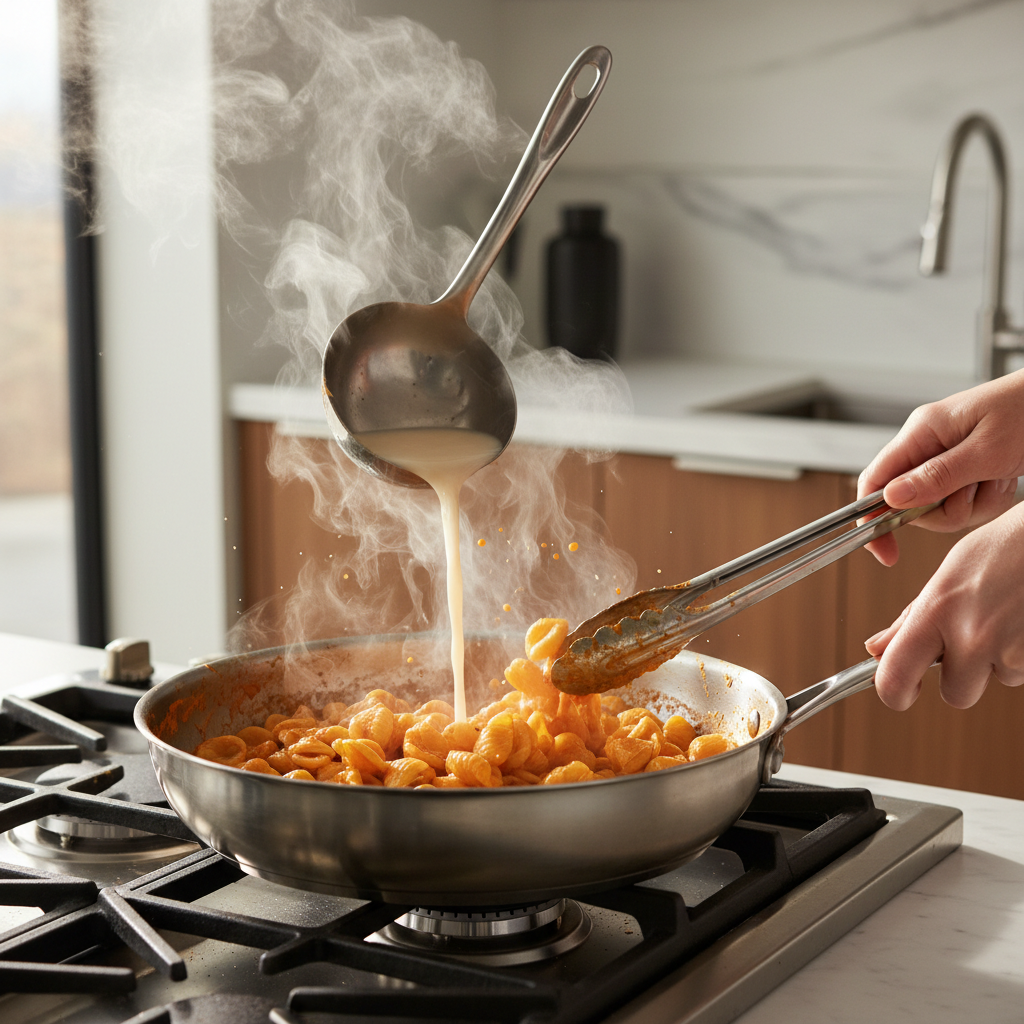
- No emulsification: oil and water need help bonding, that’s why pasta water is so useful.
- Weak aromatics: garlic cooked too hot gets bitter, cooked too low stays raw.
According to USDA food safety guidance, leftovers should be cooled and refrigerated promptly to reduce foodborne illness risk. If you’re batch-cooking, portioning into shallow containers helps cooling move faster.
5 easy homemade sauce recipes (with real-world swaps)
These homemade sauce recipes aim for weeknight reliability. Each one includes a “save it” move if the flavor isn’t landing.
1) 15-Minute Pantry Marinara
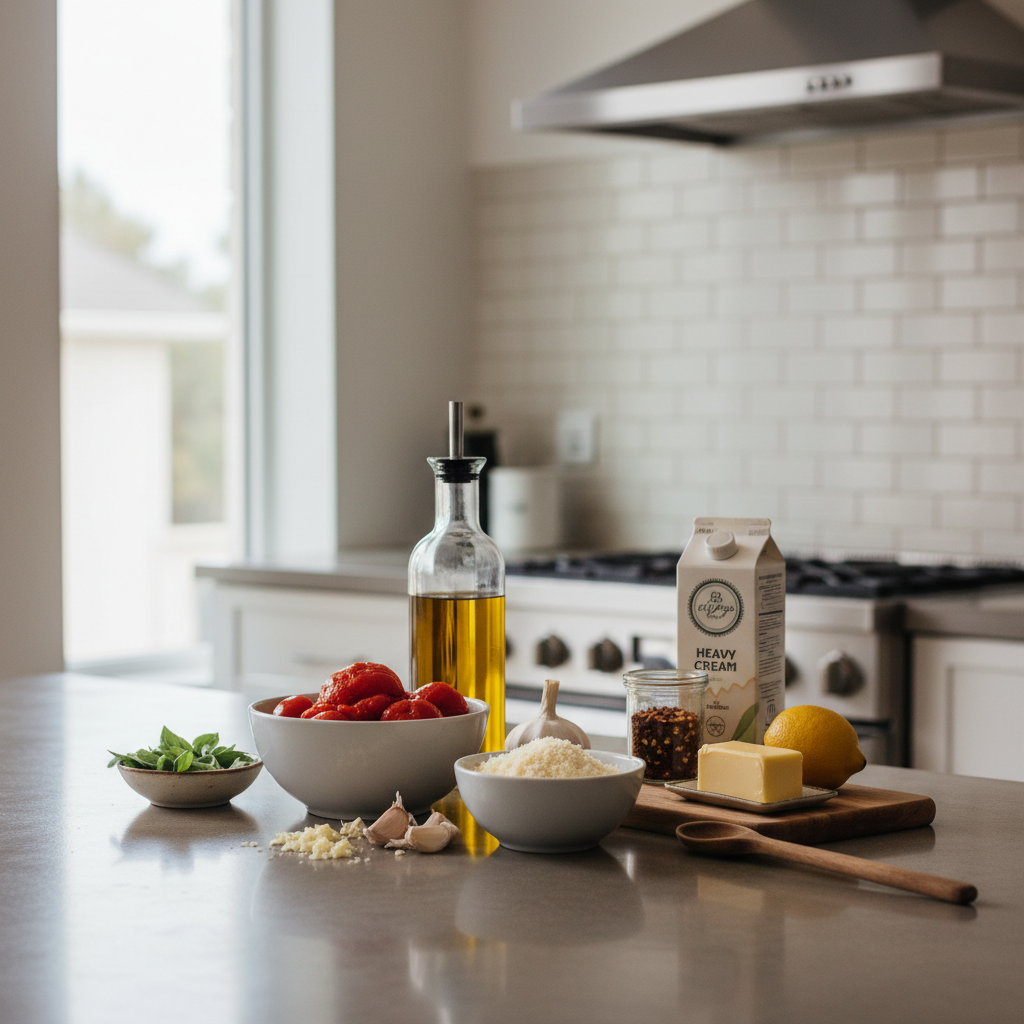
You need: olive oil, garlic, canned crushed tomatoes, salt, black pepper, dried oregano or Italian seasoning, optional basil.
- Warm 2–3 tbsp olive oil on medium, cook 3–4 minced garlic cloves until fragrant, not brown.
- Add 1 can (28 oz) crushed tomatoes, 1 tsp salt (start), 1/2 tsp oregano, pepper.
- Simmer 10–15 minutes, taste, adjust. Add basil at the end if using.
Save it if it tastes flat: add a pinch more salt, then 1–2 tsp balsamic or a squeeze of lemon. If it tastes too sharp, a small knob of butter can round it out.
2) Silky Alfredo (No Glue Texture)
You need: butter, heavy cream, garlic (optional), finely grated Parmesan, black pepper.
- On low to medium-low, melt 4 tbsp butter, add 1 small minced garlic clove for 30–45 seconds if you want it.
- Add 1 cup heavy cream, warm gently until steaming, not boiling.
- Whisk in 1 to 1 1/2 cups finely grated Parmesan in handfuls, then pepper.
Save it if it gets grainy: lower heat, add a splash of warm pasta water, whisk patiently. Pre-shredded cheese often clumps because of anti-caking agents, many cooks notice smoother results from freshly grated.
3) Garlic Herb Olive Oil Sauce (Aglio e Olio-ish)
You need: olive oil, sliced garlic, red pepper flakes, parsley or basil, lemon (optional).
- Warm 1/3 cup olive oil on medium-low, add 5–6 thin garlic slices.
- When garlic turns pale golden, add chili flakes, then 1/2 cup pasta water.
- Toss with pasta, finish with chopped herbs and a little lemon zest.
Save it if it feels greasy: add more pasta water and toss longer, you’re building an emulsion so it coats instead of pools.
4) Spicy Arrabbiata-Style Tomato Sauce
You need: olive oil, garlic, crushed red pepper, canned tomatoes, salt.
- Cook garlic in oil, add chili flakes early so the oil picks up heat.
- Add tomatoes and salt, simmer 15–25 minutes until slightly thick.
- Optional: finish with parsley and a bit of Parmesan.
Save it if it’s “spicy but dull”: add a little acid (lemon) and a touch more salt. Heat without balance reads harsh.
5) Simple Lemon-Parmesan Sauce
You need: butter or olive oil, lemon juice and zest, Parmesan, pasta water, black pepper.
- Melt 3 tbsp butter (or warm olive oil), add lemon zest.
- Add 1/2 cup pasta water, then toss pasta in the pan.
- Off heat, add Parmesan and lemon juice gradually, toss until glossy.
Save it if it clumps: too much cheese at once or heat too high. Pull the pan off the burner, add warm pasta water, and toss until it smooths out.
A quick self-check: which sauce fits your situation?
If you want homemade sauce but keep abandoning the idea mid-cook, it’s usually one of these situations.
- You’re low on time: choose oil-based or lemon-Parmesan, they’re fast and forgiving.
- You’re feeding picky eaters: marinara tends to be the easiest “yes,” keep herbs mild.
- You want comfort food: Alfredo or a tomato sauce finished with butter hits that craving.
- You’re trying to use what’s left: marinara accepts veggies, olive oil sauce accepts greens and beans.
- You keep ending up with watery sauce: you likely need longer simmer time or less pasta water.
Key point: don’t force a sauce to do a job it’s not built for. A delicate lemon sauce won’t cover up overcooked pasta, but marinara can.
Practical cooking moves that make any sauce better
You can follow a recipe and still end up with “meh” if you skip the small mechanics. These are the moves that quietly fix most pasta nights.
- Salt the pasta water: it should taste pleasantly salty, not like the ocean, then your sauce needs less rescuing.
- Reserve pasta water on purpose: grab 1 cup before draining, you’ll use it to bind and loosen.
- Finish pasta in the sauce: 1–2 minutes of tossing helps flavor cling.
- Taste at the end: adjust salt, then acid, then richness, in that order.
- Grate cheese finely: it melts faster and smoother, especially for cream sauces.
If you’re cooking for someone with allergies or dietary restrictions, ingredient swaps can get complicated fast, and it may be worth checking with a qualified nutrition professional for personalized guidance.
Storage, reheating, and make-ahead tips (so it stays worth it)
This is where homemade sauce recipes really pay off, you cook once, then you stop scrambling on busy nights.
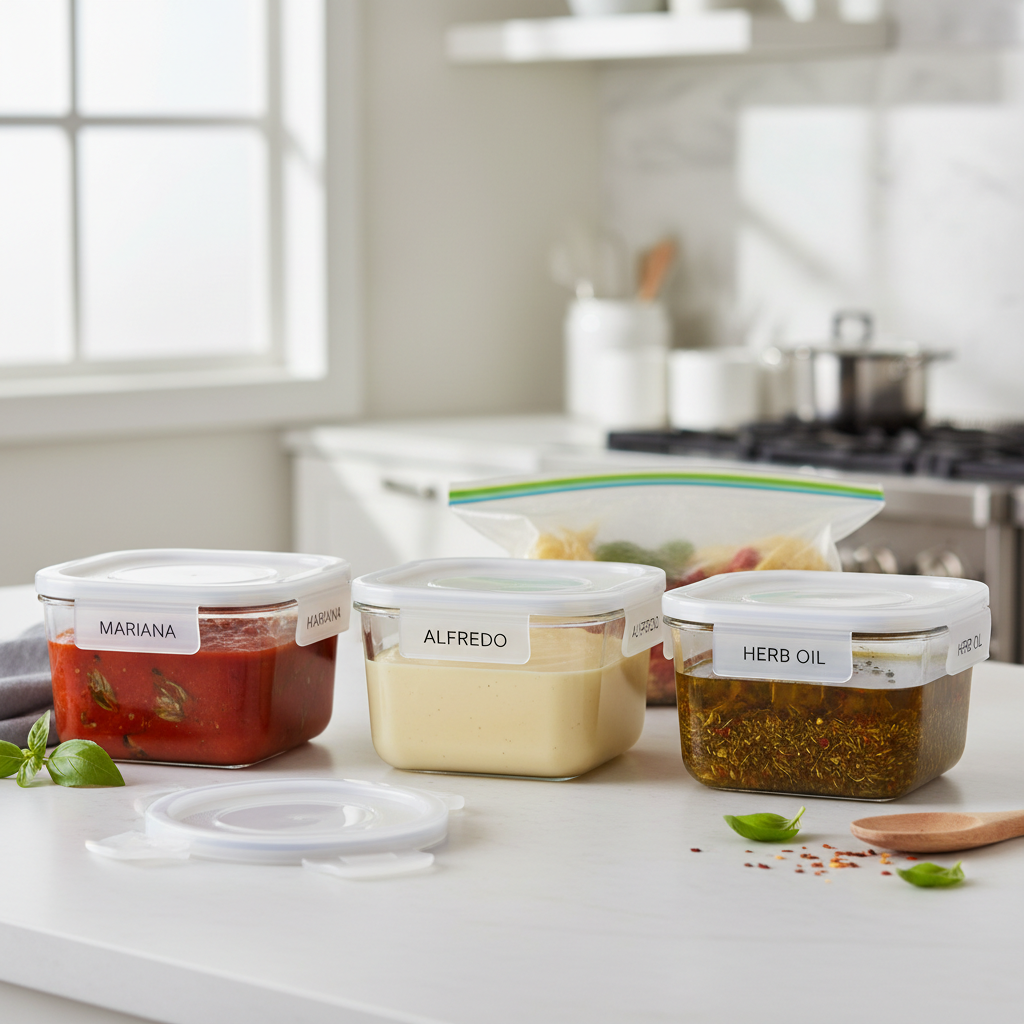
- Marinara/arrabbiata: typically refrigerates well for a few days, freezes well in portions. Reheat gently and taste for salt after thawing.
- Oil-based sauces: best fresh, but you can prep the garlic-herb oil base and add pasta water when serving.
- Cream sauces: can separate after freezing, many home cooks prefer making them fresh. If reheating, go low heat and whisk in a little warm water or milk.
According to CDC guidance on food safety, keeping hot foods hot and cold foods cold helps limit bacterial growth. When in doubt about leftovers, it’s safer to discard than gamble.
Common mistakes that ruin homemade pasta sauce (and what to do instead)
- Burning garlic: cook on medium-low, pull the pan off heat if it’s moving too fast.
- Over-reducing tomato sauce: it turns jammy and too intense, loosen with pasta water and re-balance with salt.
- Adding cheese over high heat: it can clump, add off heat and toss.
- Using only dried herbs and expecting “fresh” flavor: finish with something bright like lemon zest, fresh parsley, or a drizzle of good olive oil.
- Skipping the final taste: that last 10 seconds is where sauces go from okay to “make it again.”
Wrap-up: build two go-to sauces, then rotate
Once you have two dependable homemade sauce recipes that match your routine, pasta stops being a backup plan and becomes an easy win. Pick one tomato option and one non-tomato option, stock the basics, and give yourself permission to keep it simple.
Your next step: choose one sauce from the table, cook it twice this week, and take notes on what you’d change. That tiny feedback loop beats collecting fifty recipes you never repeat.
FAQ
What are the easiest homemade sauce recipes for beginners?
Pantry marinara and garlic-herb olive oil sauce tend to be the most forgiving. They use common ingredients, and you can fix them late with salt, acid, or pasta water without starting over.
How do I make pasta sauce taste richer without adding a lot of cream?
Try finishing with a tablespoon of butter, a little Parmesan, or a drizzle of olive oil off heat. Often the “richer” taste comes from better emulsification and seasoning, not just more dairy.
Why does my Alfredo sauce turn grainy?
Heat is the usual culprit, either it’s too high or the cheese goes in too fast. Lower the heat, add cheese in small handfuls, and loosen with warm pasta water if it tightens up.
Can I use milk instead of heavy cream for creamy sauces?
You can, but it may end up thinner and more likely to break. Many cooks use a small amount of butter and Parmesan plus pasta water to build body, or they thicken gently with a small slurry, keeping heat low.
How do I fix a tomato sauce that tastes too acidic?
Start by confirming salt is right, because under-salted tomatoes taste sharper. If it still feels harsh, a small amount of butter or a pinch of sugar can soften edges, but go slowly so it doesn’t turn sweet.
How much sauce do I need per pound of pasta?
Many households land around 2 to 3 cups per pound, but it depends on sauce thickness and how “saucy” you like it. It’s smart to start with less and add more after tossing.
What pasta water actually does for sauce?
It carries starch, which helps oil and water bind into a glossy coating, and it loosens thick sauces without making them taste watered down. That’s why it’s especially helpful for olive oil and cheese-forward sauces.
Want a simpler way to keep this in rotation?
If you’re trying to make weeknights easier, it helps to pick one sauce for batching (usually marinara) and one that’s “fast fresh” (lemon-Parmesan or garlic-herb oil), then keep a short shopping list on your phone. That small system is often what makes homemade cooking stick.