
Oatmeal recipes are one of the simplest ways to get a filling breakfast that doesn’t ask much of your morning, but a lot of people quit because theirs turns out bland, gluey, or weirdly watery.
If that’s you, the fix usually isn’t “more willpower,” it’s small technique changes and better mix-ins, so you get flavor, texture, and staying power without turning breakfast into a project.
This guide gives you practical options: a few go-to bases, several healthy combinations, a quick table to match recipes to your schedule, plus prep tips that keep oats tasting good by day three.
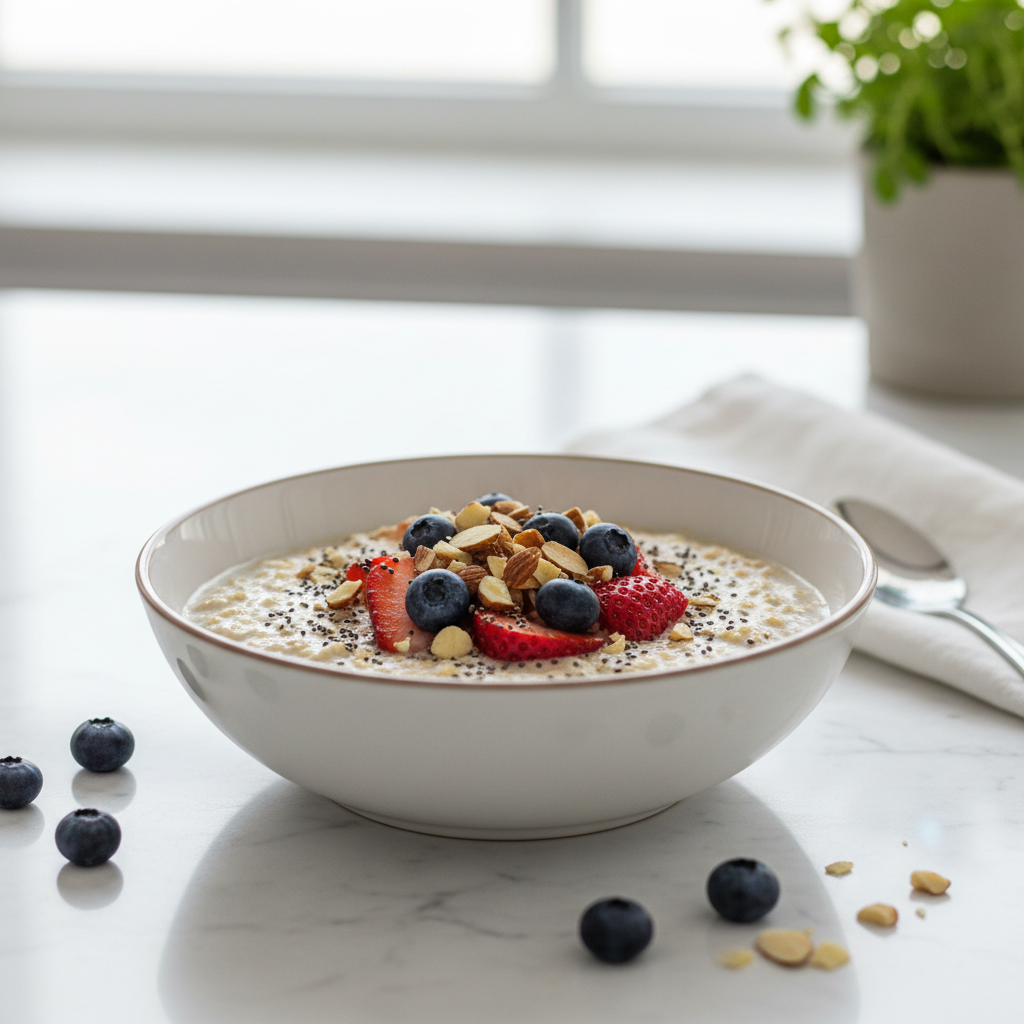
What makes oatmeal “healthy” (and what often ruins it)
“Healthy” oatmeal usually comes down to three things: fiber, protein, and added sugar. Oats already bring soluble fiber, but toppings and cooking choices decide whether the bowl keeps you steady or leaves you hungry an hour later.
- Better: oats + protein (Greek yogurt, milk, soy milk, protein powder, eggs mixed in) + healthy fats (nuts, seeds) + fruit or spices.
- Often not so great: oversized servings, heavy brown sugar drizzle, candy-like granola, or “healthy” flavored packets that add sweetness fast.
According to the American Heart Association... whole grains such as oats can support heart-healthy eating patterns, especially when you keep added sugars in check.
Also, texture matters more than people admit. Many “I hate oatmeal” opinions are really “I hate how I cooked it.” Water-to-oat ratio, cook time, and salt change everything.
Your quick oatmeal base: ratios, salt, and texture
Before you chase new oatmeal recipes, lock in a base you like. Pick one style, then rotate flavors.
Classic stovetop (rolled oats)
- Ratio: 1/2 cup rolled oats + 1 cup water or milk
- Tip: add a pinch of salt early, it makes flavors pop without tasting “salty”
- Texture control: simmer 5–8 minutes for creamy, shorter for more chew
Microwave (busy mornings)
- Ratio: 1/2 cup rolled oats + 1 cup liquid in a large bowl
- Method: 2–3 minutes, stir once, rest 1 minute so it thickens
- Overflow fix: bigger bowl, lower power, or shorter bursts
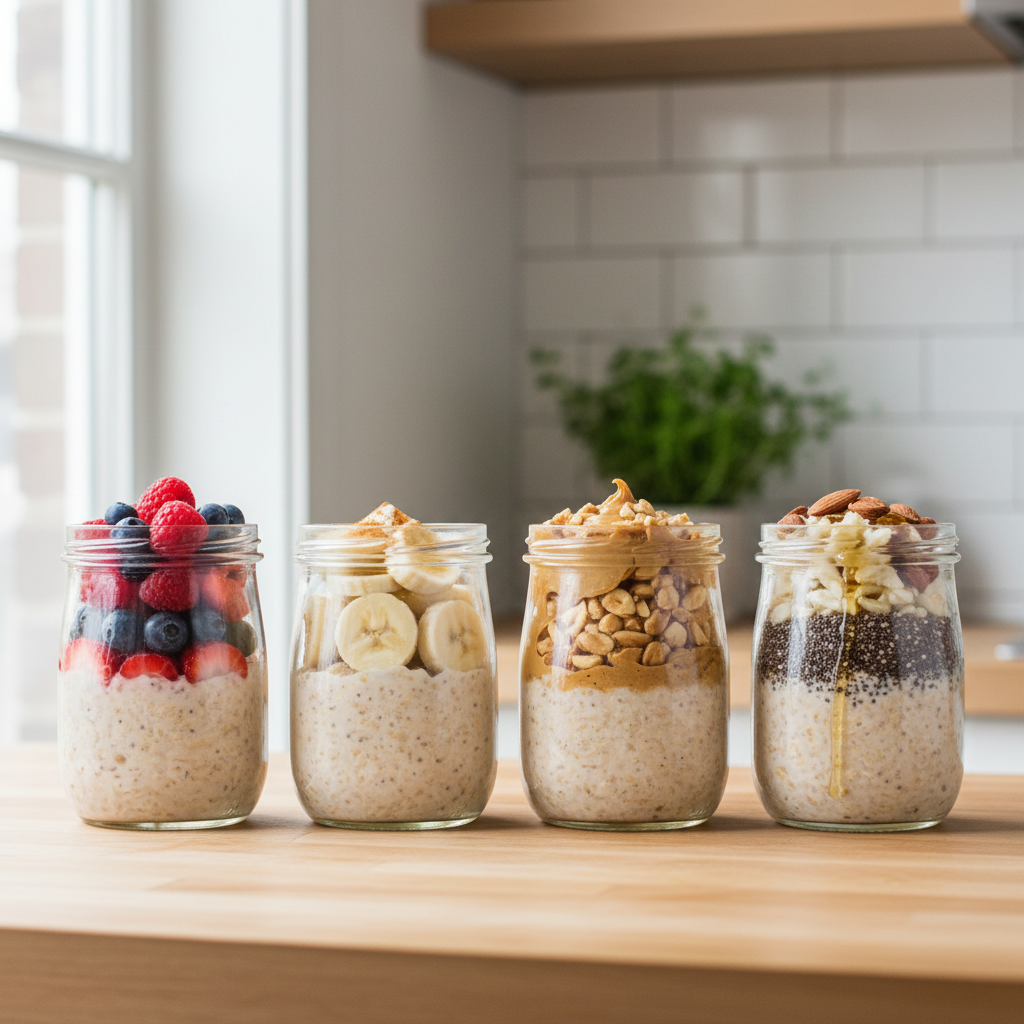
Overnight oats (no-cook)
- Ratio: 1/2 cup rolled oats + 1/2–3/4 cup milk + 1–2 tbsp yogurt or chia
- Best for: people who like a cold, pudding-like texture
- Flavor tip: add vanilla, cinnamon, citrus zest, or cocoa, not just sweetener
5 healthy oatmeal recipes you can rotate all week
These are written like “templates,” because that’s what sticks in real life. Each one gives you a clear flavor direction and enough protein/fat to feel like breakfast, not a snack.
1) Blueberry Almond “muffin” oatmeal
- Add: 1/2 cup blueberries (fresh or frozen), 1 tbsp almond butter, 1 tbsp sliced almonds
- Flavor: cinnamon + a little lemon zest
- Protein boost: cook with milk, or stir in Greek yogurt after cooking
If frozen berries make it too watery, simmer 1–2 minutes longer or reduce liquid slightly next time.
2) Peanut Butter Banana (high-satiety)
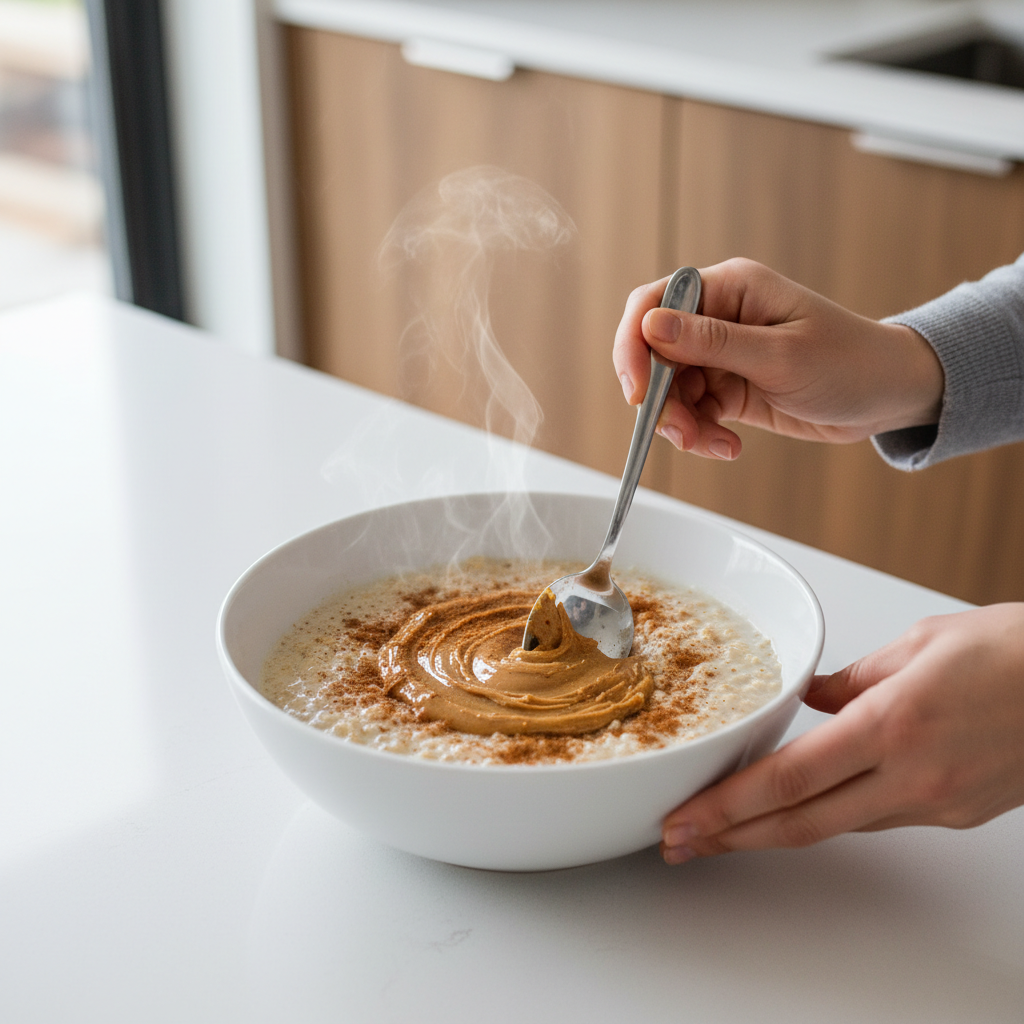
- Add: 1/2 banana sliced, 1 tbsp peanut butter, 1 tbsp ground flax or chia
- Flavor: pinch of salt + dash of cinnamon
- Optional: cacao nibs for crunch without much sugar
This one is great when lunch tends to drift later, the fat + fiber combo helps many people stay full.
3) Apple Pie oatmeal without the sugar bomb
- Add: 1/2 apple diced, 1 tbsp walnuts or pecans
- Flavor: cinnamon + nutmeg + vanilla
- Sweetness: start with the apple, add maple syrup only if needed
Cook the apple with the oats so it softens and sweetens the whole bowl naturally.
4) Chocolate Cherry protein oats
- Add: 1 tbsp unsweetened cocoa, 1/3 cup cherries (frozen works), 1 tbsp hemp hearts
- Protein boost: mix in a scoop of protein powder after cooking, add a splash of milk to loosen
- Balance: tiny pinch of salt keeps chocolate from tasting flat
If protein powder clumps, stir it into a small amount of milk first, then combine.
5) Savory egg & spinach oats (yes, it works)
- Cook: oats with water or low-sodium broth, pinch of salt and pepper
- Add: handful of spinach to wilt, then top with a soft-boiled or fried egg
- Finish: olive oil drizzle, everything-bagel seasoning, or a spoon of salsa
If sweet oatmeal makes you crash or crave more sugar, savory can be a surprisingly steady option.
Which recipe fits your morning? (quick table)
If you’re picking oatmeal recipes based only on taste, you’ll still lose on the mornings when time disappears. Match the method to the day you’re having.
| Morning situation | Best oatmeal style | Why it works | Go-to add-ins |
|---|---|---|---|
| Out the door in 10 minutes | Microwave rolled oats | Fast, minimal cleanup | Nut butter, banana, cinnamon |
| Zero-cook weekday routine | Overnight oats | Grab-and-go, consistent texture | Greek yogurt, berries, chia |
| Slow morning, want “real breakfast” | Stovetop creamy oats | Best texture control | Apples, nuts, vanilla |
| Need higher protein | Any style + protein add | More staying power | Milk, yogurt, protein powder, egg |
Meal prep that still tastes good on day 3
Meal-prepping oatmeal recipes can be a win, but only if you avoid the two common problems: mushy texture and sad toppings.
- Overnight oats: prep 2–4 jars, keep crunchy toppings separate until eating.
- Cooked oatmeal: make a pot, store plain, then flavor per bowl so it doesn’t get “same-y.”
- Liquid control: oats keep absorbing, so reheat with a splash of milk or water and stir well.
- Fruit strategy: cook-in apples/berries, but add bananas fresh right before eating.
Common mistakes (and easy fixes)
A few small errors can make perfectly good oats feel like a punishment. Here’s what usually goes wrong.
- No salt: add a pinch, even for sweet bowls, it sharpens flavor.
- Too much liquid: measure once, then adjust by tablespoons next time.
- All sweetness, no structure: if you only add honey and fruit, you may feel hungry sooner, add protein or nuts.
- Overcooking: especially in the microwave, shorter bursts and a rest period beat one long blast.
- “Healthy” toppings that aren’t helping: sugary granola and big syrup pours add up fast, keep them as accents.
According to the U.S. Food and Drug Administration (FDA)... the Nutrition Facts label can help you compare added sugars and serving sizes, which is useful when picking flavored oats or packaged toppings.
Practical upgrades: build your own bowl (without overthinking)
If you want flexibility, use this simple build. It’s not perfect for everyone, but it keeps most oatmeal recipes balanced.
- Base: rolled oats or steel-cut (more chew, longer cook)
- Protein: milk, soy milk, Greek yogurt, cottage cheese, protein powder, or an egg
- Fiber + crunch: chia, flax, hemp hearts, nuts
- Flavor: cinnamon, vanilla, cocoa, espresso powder, citrus zest
- Fruit: berries, apples, peaches, or frozen cherries
Key takeaway: if your bowl tastes flat, try salt + spice before adding more sweetener.
If you have digestive conditions, diabetes, or specific nutrition goals, ingredient choices and portions can vary a lot, so it may be worth checking in with a registered dietitian or clinician.
Conclusion: make oats easy enough to repeat
The best oatmeal recipes are the ones you’ll actually make on a Tuesday, half-awake, with a sink full of dishes. Pick one base method, keep two flavor combos you genuinely like, and stock a small set of toppings that make breakfast feel finished.
Try this tomorrow: choose either Peanut Butter Banana or Blueberry Almond, add one protein boost, and taste your oats after adding a pinch of salt, that single step fixes more bowls than people expect.
FAQ
What are the healthiest oatmeal recipes for weight management?
Many people do well with bowls that include protein and some fat, because they feel more satisfying. Think oats cooked with milk, plus Greek yogurt or nuts, and fruit for sweetness instead of heavy syrup.
Are overnight oats as healthy as cooked oatmeal?
Usually, yes, it depends more on what you add than whether you cook them. Overnight oats can be great when they include yogurt, chia, and fruit, and when added sugar stays modest.
How do I make oatmeal taste good without adding a lot of sugar?
Use salt, spices, and “aroma flavors” like vanilla or citrus zest, then lean on fruit and a little nut butter. Cocoa powder and cinnamon are especially helpful for big flavor with minimal sweetness.
What’s the best oatmeal type: rolled oats, quick oats, or steel-cut?
Rolled oats hit the easiest balance for most households. Quick oats cook faster but can go mushy, steel-cut have more chew but take longer, pick the one that matches your mornings.
How can I add more protein to oatmeal recipes without protein powder?
Cook oats with milk or soy milk, then stir in Greek yogurt after cooking. You can also add an egg while oats simmer, whisking well so it turns creamy instead of scrambled.
Why does my oatmeal come out gummy or gluey?
Overcooking and over-stirring are common culprits, especially with quick oats. Try rolled oats, slightly less liquid, gentler stirring, and let it rest briefly before eating.
Can kids eat these healthy oatmeal combinations?
In many cases, yes, but watch choking risks with whole nuts and very sticky nut-butter clumps, and keep added sugars lower. If allergies are a concern, swap in seeds or yogurt and follow your clinician’s guidance.
If you’re trying to find oatmeal recipes that fit your schedule and your taste, start by telling yourself the truth about mornings: you need two “default” bowls you can do on autopilot, then everything else can be bonus.