
How to make paniyaram recipe appe feels tricky until you know what you’re really controlling: batter texture, pan heat, and timing, not “secret” ingredients.
If you’ve tried once and ended up with stuck bites, pale tops, or dense centers, you’re not alone, appe is small, so tiny mistakes show up fast. The good news is that the fix is usually simple: adjust consistency, preheat properly, and use the right amount of oil.
In this guide, you’ll get a reliable base recipe, quick swaps for U.S. pantries, and a troubleshooting checklist. I’ll also share a few filling ideas that taste “restaurant-level” without turning this into an all-day project.
What exactly is appe (paniyaram), and why it behaves differently
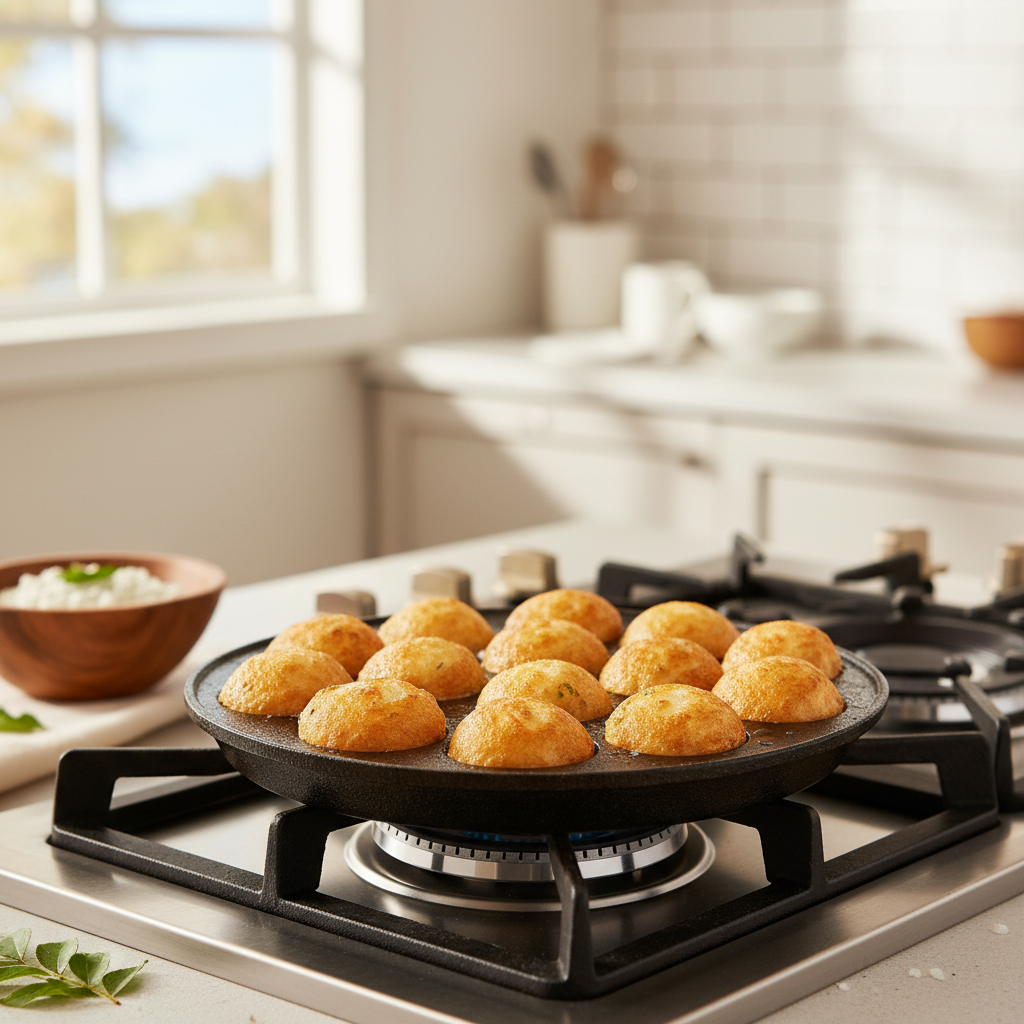
Appe, also called paniyaram, are bite-size South Indian dumplings cooked in a special pan with round cavities. They can be savory or sweet, but in most home kitchens the savory version wins because it’s flexible and forgiving once you nail the basics.
The key difference versus pancakes or muffins is steam + gentle frying. You’re cooking batter in a tiny cup with a bit of oil, so the outside browns while the inside sets from trapped heat. If your batter is too thick or your pan is too cool, the center stays heavy.
According to the USDA, safe food handling includes keeping perishable batters (especially those containing yogurt, cooked rice, or lentils) refrigerated and not leaving them at room temperature for extended periods. If you’re fermenting batter, do it intentionally, then chill once it’s where you want it.
Ingredients for an easy paniyaram (appe) batter
You have two realistic paths: use leftover idli/dosa batter, or make a quick batter from scratch. For U.S. cooks, the “quick” route below is usually the easiest to repeat.
Option A: The easiest route (leftover idli/dosa batter)
- 2 cups idli/dosa batter (store-bought or homemade)
- 1/2 cup finely chopped onion
- 1–2 green chiles, finely chopped (optional)
- 1/3 cup grated carrot or chopped bell pepper
- 2 tbsp chopped cilantro
- 1/2 tsp salt (adjust based on batter)
- 1/2 tsp mustard seeds + 6–8 curry leaves (optional but classic)
Option B: Quick batter (no special grinder)
- 1 cup rice flour (fine)
- 1/2 cup semolina (fine sooji) or cream of wheat
- 1/2 cup plain yogurt (or dairy-free yogurt that’s thick)
- 3/4 to 1 cup water (add gradually)
- 1/2 tsp salt
- 1/2 tsp baking soda (add right before cooking)
This version won’t taste identical to fermented batter, but it’s a solid weeknight approach when you still want that crisp edge and soft middle.
Step-by-step: how to make paniyaram recipe appe (easy method)
How to make paniyaram recipe appe successfully comes down to consistent heat and a batter that pours, not plops. If you remember one thing, remember this: preheat the pan first, then add oil, then add batter.
1) Prep the mix-ins (2 minutes)
Chop onions and herbs small, big chunks make flipping harder. If you’re adding vegetables like carrots, squeeze out excess moisture if they’re very wet.
2) Tempering (optional, but gives real flavor)
In a small skillet, heat 1–2 tsp oil, add mustard seeds, then curry leaves when they start popping. Pour into your batter. This step makes the kitchen smell “right,” even with quick batter.
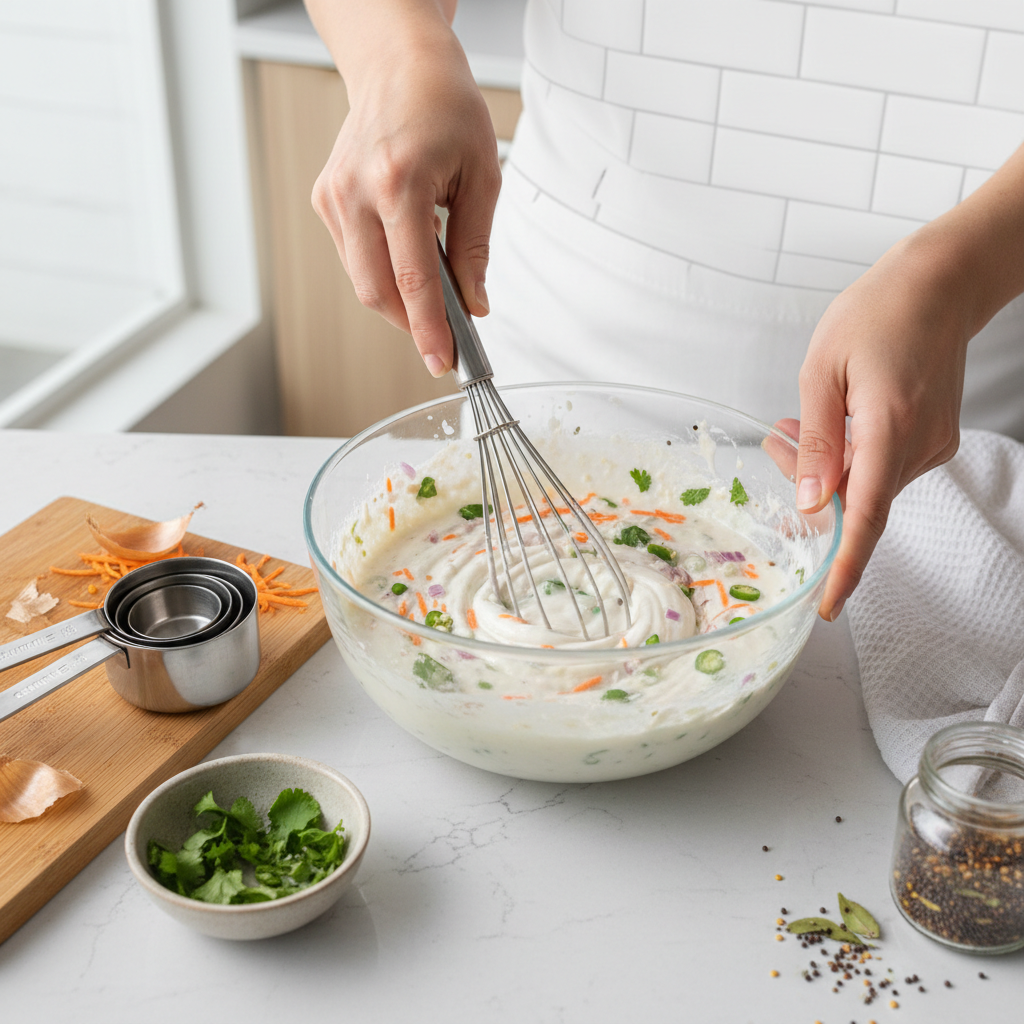
3) Adjust batter consistency
- Idli/dosa batter: usually needs 1–3 tbsp water if it’s been chilled.
- Quick batter: aim for a thick pour, like cake batter, not like cookie dough.
If your first batch comes out dense, it’s often because the batter was too thick or the cavities were underfilled.
4) Heat the paniyaram pan correctly
Set the pan over medium heat and give it time. A rushed pan leads to sticking and pale bottoms. If you flick a drop of water near (not into) the pan and it sizzles quickly, you’re close.
5) Oil, then fill
Add about 1/4 tsp oil per cavity for crisp edges, slightly less if using nonstick. Pour batter to about 3/4 full, you need room for rise and for flipping.
6) Cook, loosen, flip
- Cover for 2–3 minutes to help the center set.
- Uncover, use a skewer or spoon to loosen the edges.
- Flip each piece, add a few drops of oil if it looks dry.
- Cook another 2–3 minutes until golden.
If you’re using baking soda in the quick batter, mix it in right before the first pour, waiting too long can flatten the lift.
Quick troubleshooting checklist (so you don’t waste a whole batch)
These are the problems people hit most, and they’re usually fixable mid-cook.
- Sticking to the pan: pan not hot enough, not enough oil, or cavities not seasoned. Preheat longer, add a bit more oil, and loosen edges before forcing a flip.
- Dense or gummy centers: batter too thick, heat too high (outside browns before inside sets), or pieces too large. Thin slightly, lower heat, fill cavities 3/4.
- Pale and dry: too little oil or heat too low. Add a touch more oil per cavity and bump heat slightly.
- Cracking or breaking during flip: flipping too early. Wait until the top looks matte and the edges pull away.
- Sour taste (fermented batter): over-fermented. In many cases you can balance with onions, cilantro, a pinch of sugar, and cook a bit longer, but if it smells “off,” don’t risk it.
Flavor ideas: fillings and add-ins that work in U.S. kitchens
You can keep it traditional or go a bit fusion, as long as you don’t overload the batter with wet ingredients.
Simple savory add-ins
- Onion + cilantro + green chile (classic)
- Grated zucchini (squeeze moisture first)
- Corn + scallion (surprisingly good)
- Spinach, chopped fine and patted dry
Stuffed center ideas (use small amounts)
- Cheddar cube for a melty center
- Paneer or firm tofu cube with a pinch of salt
- Leftover potato masala (keep it dry-ish)
Time, temperature, and texture: a practical guide (with table)
If your results feel inconsistent, it’s usually because the pan temperature drifts as you cook batch after batch. Adjusting heat between batches is normal.
| What you want | Pan heat | Oil per cavity | Cook time per side | Batter consistency |
|---|---|---|---|---|
| Crisp outside, fluffy inside | Medium | 1/4 tsp | 2–3 min + 2–3 min | Thick pour |
| Softer, less oily bite | Medium-low | 1/8 tsp | 3–4 min + 2–3 min | Slightly thinner |
| Extra browned, snacky crust | Medium to medium-high | 1/4–1/2 tsp | 2–3 min + 3 min | Thick pour (not stiff) |
Serving, storage, and reheating (so they stay good)
Appe taste best hot, but they’re also one of the few “snack” foods that reheat decently if you avoid the microwave-only route.
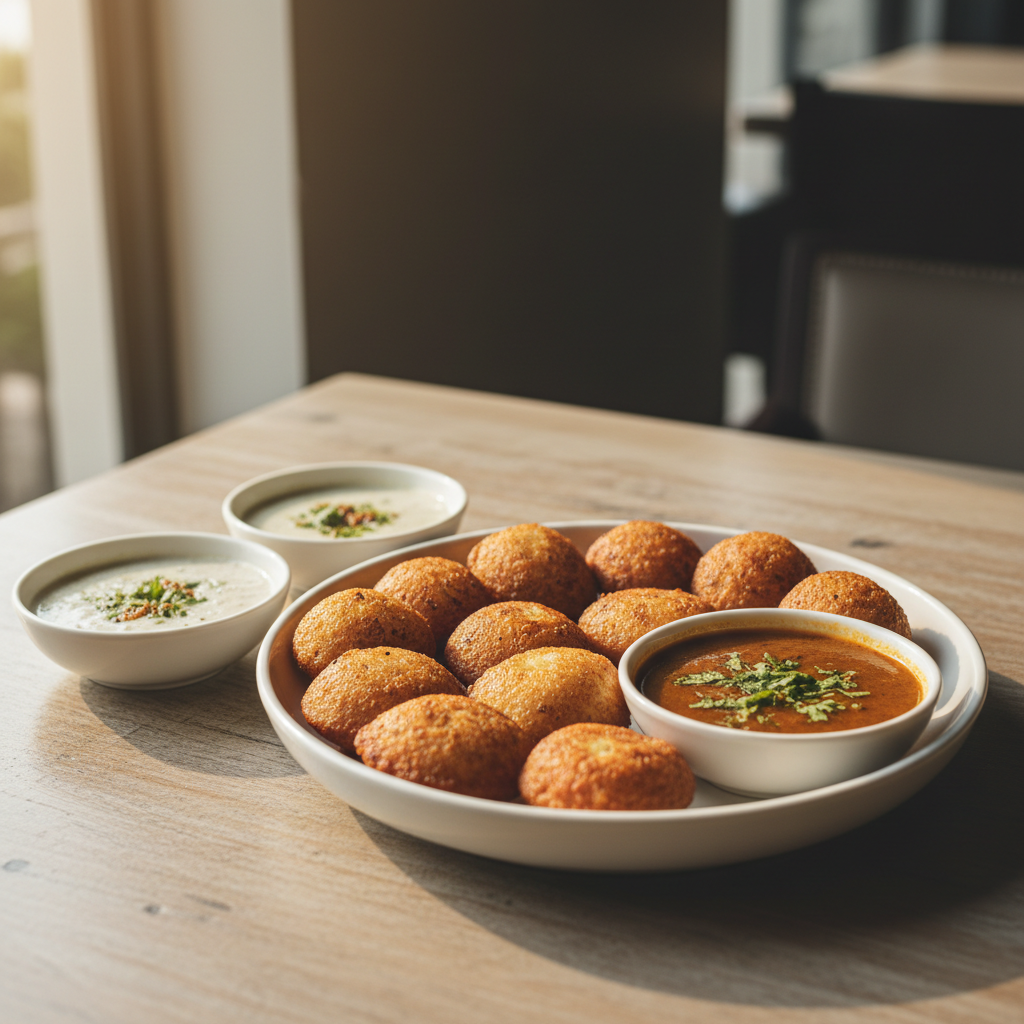
- Serve with: coconut chutney, tomato chutney, or sambar. Plain Greek yogurt plus salt and cumin can work in a pinch.
- Fridge: store cooled appe in an airtight container for up to 2–3 days in many home kitchens, if anything smells odd, skip it.
- Reheat: skillet or air fryer at 350°F for a few minutes brings back the crust better than microwaving.
- Freeze: possible, but texture can soften, reheat in oven/air fryer to recover some crispness.
Key takeaways before you cook the next batch
If your goal is consistent, easy results, treat this like a heat-and-batter exercise more than a “recipe.” Preheat longer than you think, keep batter pourable, and don’t flip early. Once you hit that rhythm, experimenting with fillings becomes the fun part.
Make your next batch with one small change only, like thinning the batter by a tablespoon or reducing heat slightly, and you’ll learn faster than by changing everything at once.
FAQ
Can I make appe without a paniyaram pan?
You can approximate it with an aebleskiver pan, which is easier to find in the U.S. A mini muffin pan in the oven can work for a baked version, but you’ll miss the same crisp, shallow-fry texture.
Why are my paniyaram sticking even on nonstick?
Nonstick still needs preheat and a thin oil film in many cases. Also check batter: if it’s very thick, it presses into the cavity and tears when you flip.
How do I know when it’s time to flip?
Look for a matte top with fewer wet spots and edges that look set. If you try to lift and it feels glued, give it another minute and reduce heat slightly.
Is baking soda necessary in quick batter?
It helps with lift when you’re not fermenting, but you can skip it if you prefer. If you do use it, mix right before cooking so it doesn’t fizzle out early.
What’s the best oil for cooking appe?
Neutral oils like avocado, canola, or sunflower are common. Ghee gives a richer flavor but can brown faster, so you may need slightly lower heat.
Can I make this gluten-free?
Many fermented batters (rice + urad dal) are naturally gluten-free, but cross-contamination depends on your kitchen and ingredients. If gluten is a medical concern, it’s worth checking labels and, in uncertain cases, consulting a professional.
How do I keep appe warm for a party?
Hold them on a baking sheet in a 200°F oven, uncovered or loosely covered, so they don’t steam themselves soft. Refresh quickly in a hot skillet if needed.
If you’re trying to make paniyaram on a busy weeknight, a simple plan helps: keep a batter base ready, prep two mix-ins you like, and focus on pan heat over perfect flipping technique, the rest usually falls into place.