
Lemon recipes solve a very specific problem in everyday cooking: food that tastes fine, but a little dull, heavy, or one-note. A squeeze of juice or a pinch of zest can wake up a pan sauce, sharpen a salad, and make baked goods taste less sugary without making them “lemony” in a candy way.
But lemon can also go wrong, bitter pith, curdled dairy, fish that tastes “cooked” before it hits heat, or a dish that turns sour instead of balanced. This guide gives you reliable, flexible recipes plus the small technique choices that keep lemon bright and clean.
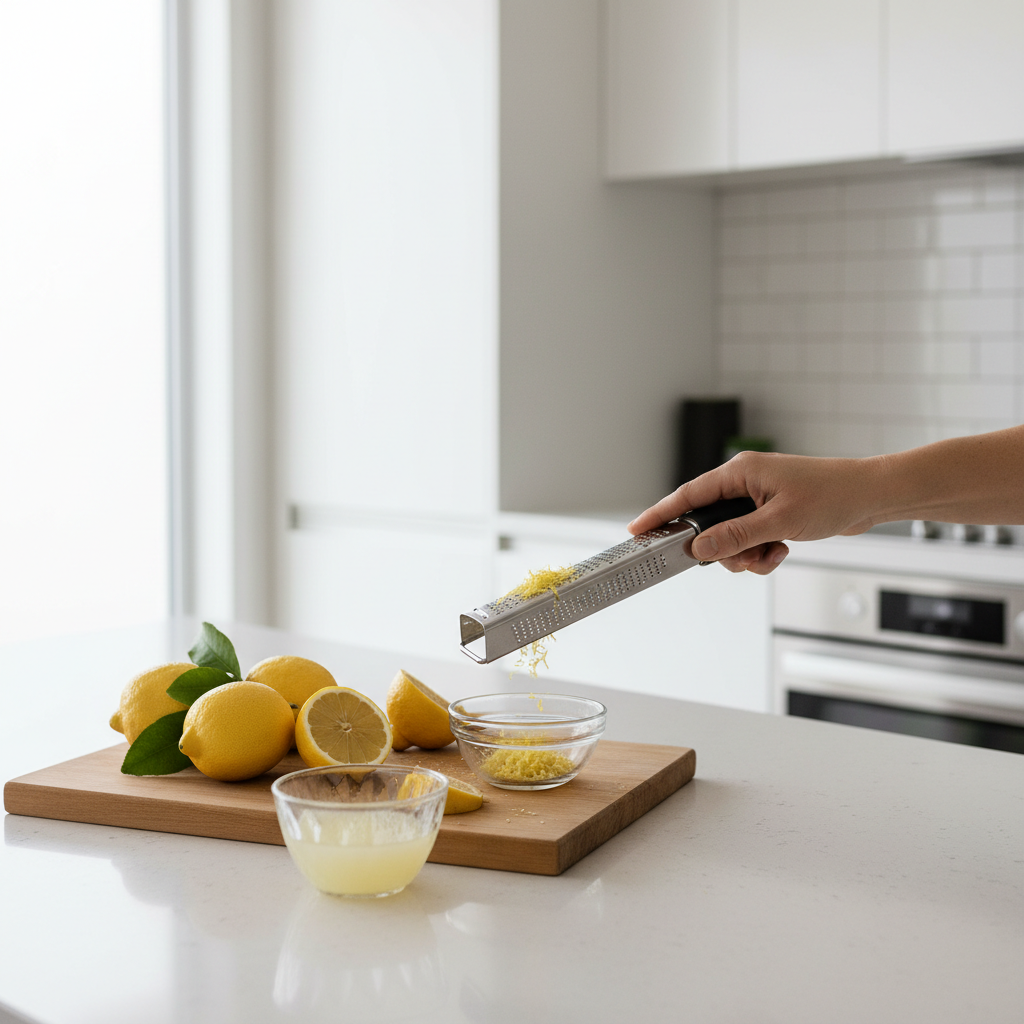
If you want a quick way to use what you already cook, think of lemon as a “finisher” more than an ingredient you dump in early. That single change usually fixes most “why did this turn bitter?” moments.
Where lemon works best (and what to use)
In most kitchens, you have three lemon tools: juice, zest, and slices. They behave differently, and matching them to the dish matters more than people expect.
- Juice: acidity and freshness, best added near the end so it stays bright.
- Zest: aromatic oils, adds “lemon smell” without extra sourness, great for rubs, dressings, baking.
- Slices/peel: slow infusion, good for roasting and simmering, but pith can turn bitter if overcooked.
According to USDA Food Safety and Inspection Service (FSIS), foods should not be left out at room temperature for more than 2 hours, so if you’re doing lemon-forward marinades or dressings for cookouts, keep them chilled until serving.
Quick match table: dish → lemon move
This table is the “save my dinner” version: pick your dish, then pick the lemon technique that usually fits.
| Dish type | Best lemon form | When to add | What it fixes |
|---|---|---|---|
| Roasted vegetables | Zest + juice | Zest before roasting, juice after | Sweet/flat flavors |
| Chicken thighs | Slices + juice | Slices during roast, juice at finish | Greasy mouthfeel |
| Seafood | Juice + herbs | After cooking | “Sea” taste overpowering |
| Creamy pasta | Zest (and tiny juice) | Off heat | Heaviness |
| Salads | Juice + zest | In dressing | Bland greens |
| Soups | Juice | In the bowl | Needs “lift” |
| Desserts | Zest + juice | During mixing | Too sweet |
Bright lemon recipes for savory dishes
These are weeknight-friendly and built around a simple idea: use lemon to balance fat, salt, and heat, not to overwhelm the plate.
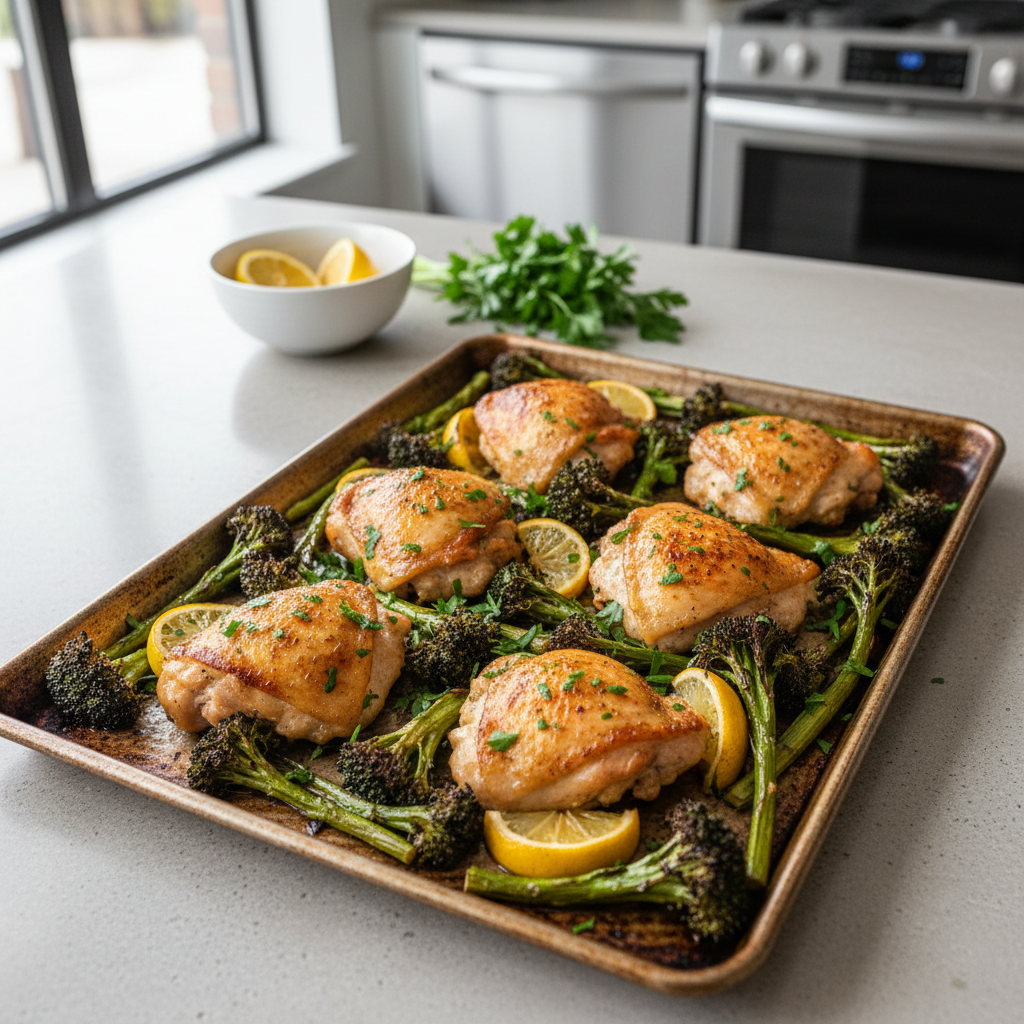
1) Sheet-pan lemon garlic chicken with blistered broccoli
Why it works: you get roasted depth from the chicken, then a clean lemon finish that makes it taste lighter.
- Ingredients: bone-in chicken thighs, broccoli florets, olive oil, garlic, lemon zest, lemon juice, salt, black pepper, optional red pepper flakes.
- Method: toss broccoli with oil, salt, pepper. Rub chicken with oil, grated garlic, zest, salt, pepper. Roast at 425°F until chicken is done and broccoli chars. Turn off the oven, then drizzle juice over everything and rest 5 minutes.
- Editor tip: if you add juice before roasting, it often turns a little “cooked” and dull, save it for the end.
2) Lemon-herb vinaigrette that doesn’t separate fast
Many lemon recipes fail at the dressing stage because the flavor is sharp but thin. The fix is body: mustard, honey, or finely grated garlic helps emulsify.
- Ingredients: lemon juice, lemon zest, Dijon mustard, olive oil, salt, pepper, chopped dill or parsley, optional honey.
- Method: whisk juice, zest, Dijon, salt, pepper. Stream in olive oil while whisking. Stir in herbs.
- Use it on: chopped romaine, cucumber, grilled chicken, white beans.
3) Lemon caper butter for fish (restaurant-style, still simple)
This is the kind of sauce that makes frozen fish feel less like a compromise.
- Ingredients: butter, capers, lemon zest, lemon juice, optional parsley, black pepper.
- Method: melt butter until it smells nutty but not burnt. Add capers, stir 30 seconds. Turn heat low, add zest. Off heat, stir in juice and parsley.
- Common pitfall: boiling lemon juice in butter can make the sauce taste harsh, pull the pan off the heat first.
4) Lemony chickpea couscous bowl (meal-prep friendly)
When you want something that holds up for lunch, lemon zest keeps aroma strong even after chilling.
- Ingredients: couscous, chickpeas, olive oil, lemon zest, lemon juice, cucumber, cherry tomatoes, feta, mint.
- Method: hydrate couscous. Toss warm couscous with oil, zest, salt, pepper. Add chickpeas and veg, finish with juice, mint, feta.
Bright lemon recipes for baking and sweets
In desserts, lemon is less about sourness and more about contrast. A little acidity can make a cookie taste more “buttery” and a cake taste less heavy.
5) Lemon olive oil loaf (tender, not fussy)
- Ingredients: flour, baking powder, salt, sugar, eggs, olive oil, milk or yogurt, lemon zest, lemon juice, optional poppy seeds.
- Method: whisk dry. Whisk wet with zest and juice, then combine gently. Bake until a tester comes out clean.
- Finish: brush warm loaf with a quick lemon-sugar syrup for shine and extra aroma.
6) 5-minute lemon yogurt bowl “dessert”
Not really baking, but it scratches the same itch on a weeknight.
- Ingredients: plain Greek yogurt, lemon zest, a little lemon juice, honey, berries, crushed pistachios.
- Method: mix yogurt with zest and honey, add a small splash of juice, top with fruit and nuts.
- Why it counts: it’s a controlled way to learn how much lemon you actually like, before you scale up to cakes.
How to troubleshoot lemon flavor (before you blame the recipe)
Most complaints about lemon in cooking boil down to timing, balance, or using the wrong part of the fruit.
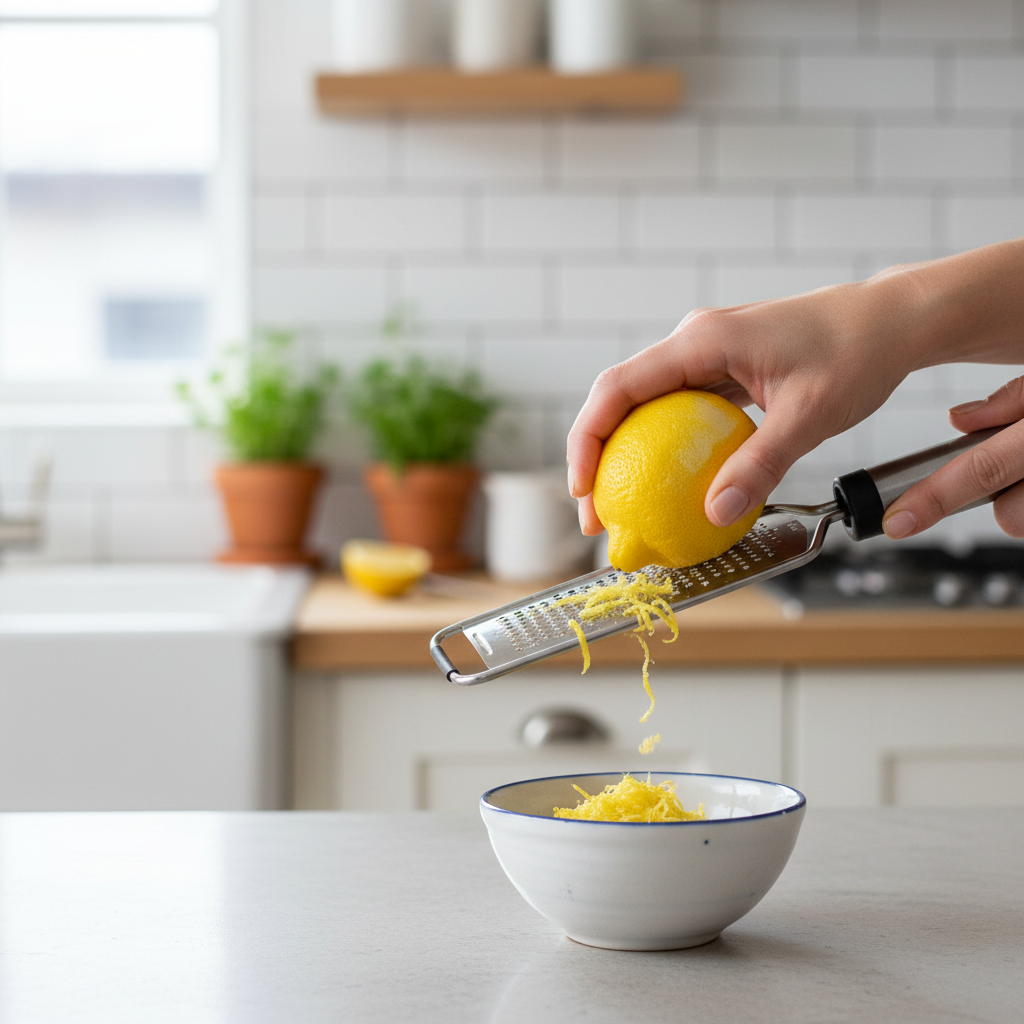
- Too bitter: you likely grated into the white pith, or simmered peel too long. Use a microplane lightly, stop at yellow.
- Too sour: add a pinch of salt, then a little sweetness (honey, sugar) or fat (olive oil, butter) to round it out.
- Not lemony enough: add zest, not more juice. Juice adds acidity; zest adds aroma.
- Curdled sauce: lemon hit hot dairy too fast. Cool the pan slightly, add juice off heat, or temper with a spoon of sauce first.
Practical prep: how to get more from one lemon
If you cook even a few lemon recipes per month, prep habits matter more than fancy ingredients.
- Zest first, juice second: it’s awkward the other way around, and you lose oils on the cutting board.
- Roll and warm: rolling on the counter or microwaving 10 seconds often gives more juice, especially with older fruit.
- Freeze extra juice: pour into an ice cube tray, then bag the cubes. It’s not identical to fresh, but it saves weeknights.
- Zest storage: mix zest with a pinch of sugar or salt, refrigerate in a small jar for 2–3 days for quick finishing.
Key takeaways (so you actually use this)
- Add lemon juice late for brightness; use zest when you want fragrance without extra sourness.
- Balance is the whole game: salt + fat + a touch of sweet can turn “too sharp” into “fresh.”
- Pick one target per dish: lighten a creamy sauce, wake up roasted veggies, or cut through rich meat.
- When in doubt, start with zest, then add juice a teaspoon at a time and taste.
Conclusion: make lemon your default finishing move
The most useful lemon recipes aren’t complicated, they’re repeatable. Keep a couple lemons on hand, treat zest like a spice, and use juice as a final adjustment the way you use salt. If you try one thing this week, make the vinaigrette and put it on two different meals, it’s the fastest way to teach your palate what “bright” really means.