
Stir fry recipes are the weeknight shortcut when you want real food, not another sad bowl of cereal, and you also don’t want a sink full of pans.
The appeal is simple: one hot pan, a quick sauce, whatever protein and vegetables you have, and dinner shows up fast. But when stir-fries go wrong, they tend to go wrong in the same ways, soggy vegetables, bland sauce, crowded pan, or meat that turns tough.
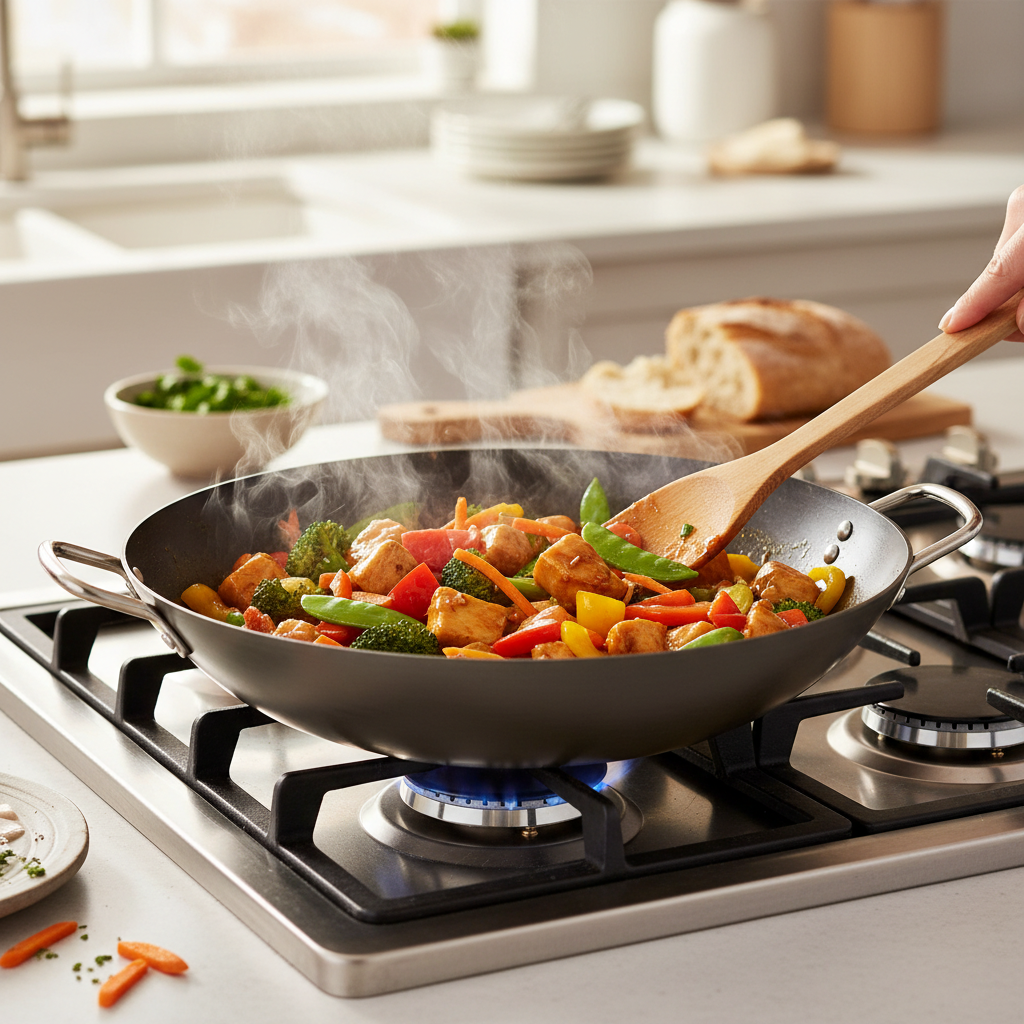
This guide gives you a reliable framework plus a set of quick dinner ideas you can mix and match. You’ll get a sauce “cheat sheet,” timing tips, and a few high-confidence combinations that feel different even when you’re reusing the same staples.
What makes a stir-fry truly “quick” (and why many aren’t)
A fast stir-fry isn’t about rushing, it’s about removing friction. Most home cooks lose time in two places: prep that isn’t organized, and cooking that happens in the wrong order.
- High heat, short cook time: Stir-frying relies on a hot pan so ingredients sear instead of steam.
- Small, even cuts: If broccoli is huge and chicken is tiny, one finishes while the other overcooks.
- Sauce mixed before you start: Once the pan is hot, there’s no “let me measure soy sauce real quick.”
- Cook in batches when needed: Crowding is the #1 reason stir-fries get watery.
According to USDA Food Safety and Inspection Service (FSIS), you should use a food thermometer to verify meats reach a safe internal temperature; this matters even more with quick, high-heat methods where the outside can brown before the center finishes.
Your 10-minute prep checklist (so the pan does the work)
If you only adopt one habit, make it this: line up everything before the burner goes on. Stir-frying is closer to “assembly” than “slow cooking.”
- Protein: slice thin across the grain, pat dry, lightly season
- Vegetables: group by cook time (hard veg vs quick-cooking)
- Aromatics: mince garlic/ginger, slice scallions, keep separate
- Sauce: whisk in a bowl, including thickener if using
- Starch: start rice/noodles first, or use microwaveable options
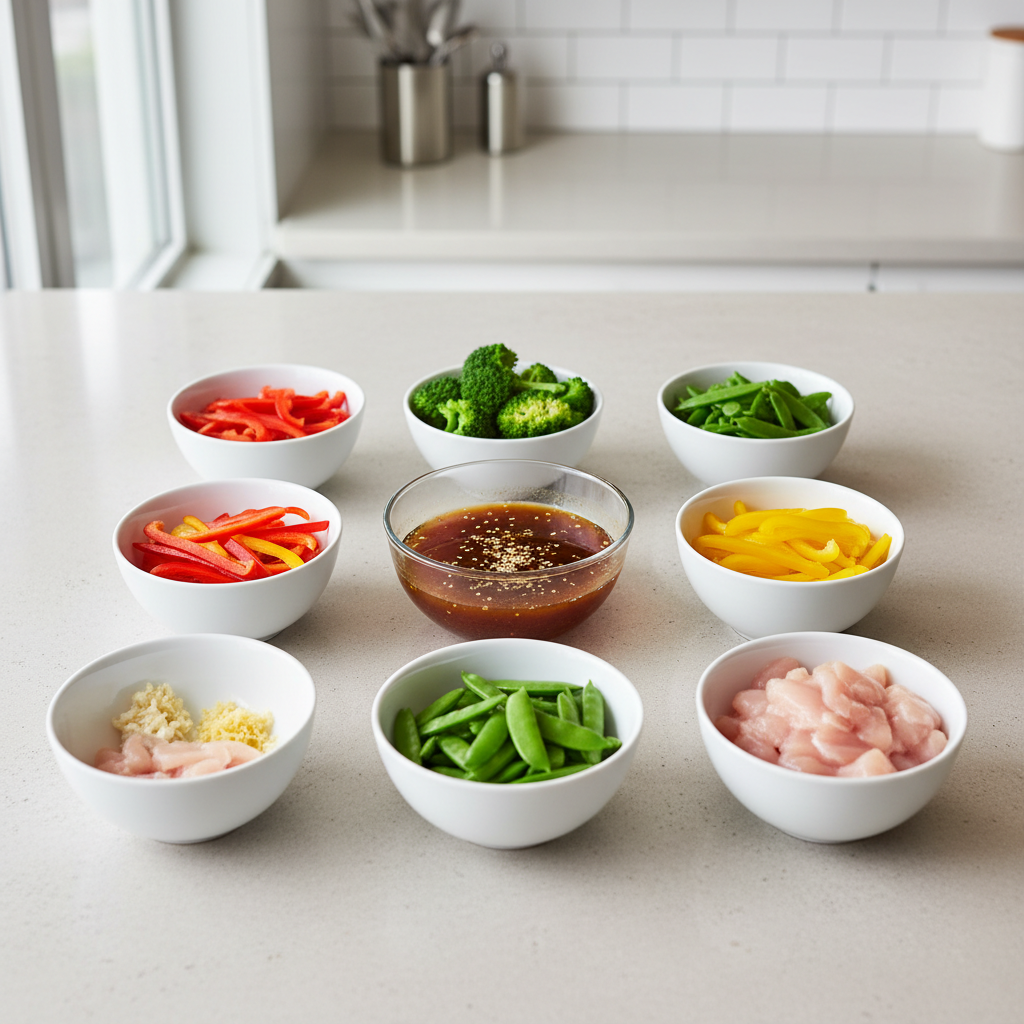
Quick self-check: if you’re still chopping while the oil smokes, you’re setting yourself up for burnt aromatics and uneven cooking.
5 fast stir-fry sauce formulas (mix once, use all week)
Good stir fry recipes usually aren’t complicated, they’re consistent. Pick one base, then adjust salty, sweet, acid, and heat until it tastes like something you’d order on purpose.
| Style | Base (2–3 tbsp) | Flavor add-ins | Best with |
|---|---|---|---|
| Classic savory | Soy sauce (or tamari) | Garlic, ginger, splash of rice vinegar | Chicken, broccoli, mushrooms |
| Teriyaki-ish | Soy sauce | Honey/brown sugar, ginger, sesame oil | Salmon, chicken, green beans |
| Peanut-lime | Peanut butter | Lime juice, soy sauce, warm water to thin, chili flakes | Noodles, tofu, shredded cabbage |
| Gochujang quick sauce | Gochujang | Soy sauce, rice vinegar, touch of sugar | Ground turkey, zucchini, carrots |
| Lemon-pepper | Chicken broth | Lemon zest/juice, black pepper, garlic | Shrimp, asparagus, snap peas |
Thickening tip: if you like that glossy takeout-style coating, dissolve 1–2 teaspoons cornstarch in cold water before adding. Don’t sprinkle it straight into the pan unless you enjoy chasing lumps.
8 quick stir-fry dinner ideas (20–30 minutes, realistic ingredients)
These are meant to be practical, not precious. Swap vegetables based on what’s in the drawer, just keep cook times in mind.
1) Chicken + broccoli + garlic soy
- Cook chicken in a single layer, remove, then stir-fry broccoli with a splash of water to steam-crisp.
- Return chicken, add garlic soy sauce, finish with sesame seeds if you have them.
2) Ground turkey + zucchini + gochujang
- Brown turkey, then add zucchini and grated carrot for sweetness.
- Stir in gochujang sauce, serve over rice or lettuce cups.
3) Shrimp + snap peas + lemon pepper
- Sear shrimp quickly, pull early to avoid rubbery texture.
- Cook snap peas, then toss everything with lemon-pepper sauce.
4) Beef + bell peppers + onion (fajita-meets-stir-fry)
- Use thin-sliced steak, hot pan, short cook.
- Finish with lime and a pinch of cumin if you want it more Tex-Mex.
5) Tofu + cabbage + peanut-lime noodles
- Press tofu briefly with paper towels, then brown until edges crisp.
- Add cabbage, then toss with peanut-lime sauce and cooked noodles.
6) Salmon “flake stir-fry” + green beans
- Pan-sear salmon, remove, then blister green beans.
- Flake salmon back in with teriyaki-ish sauce, keep it chunky.
7) Egg fried rice-style veggie stir-fry (no wok required)
- Use cold leftover rice for better texture, scramble eggs first, then add vegetables.
- Season with soy sauce and a little sesame oil at the end.
8) “Clean-out-the-fridge” sesame veggie stir-fry
- Start with hardest vegetables, end with quick ones like spinach or bean sprouts.
- Keep sauce simple: soy + vinegar + touch of sweet + sesame.
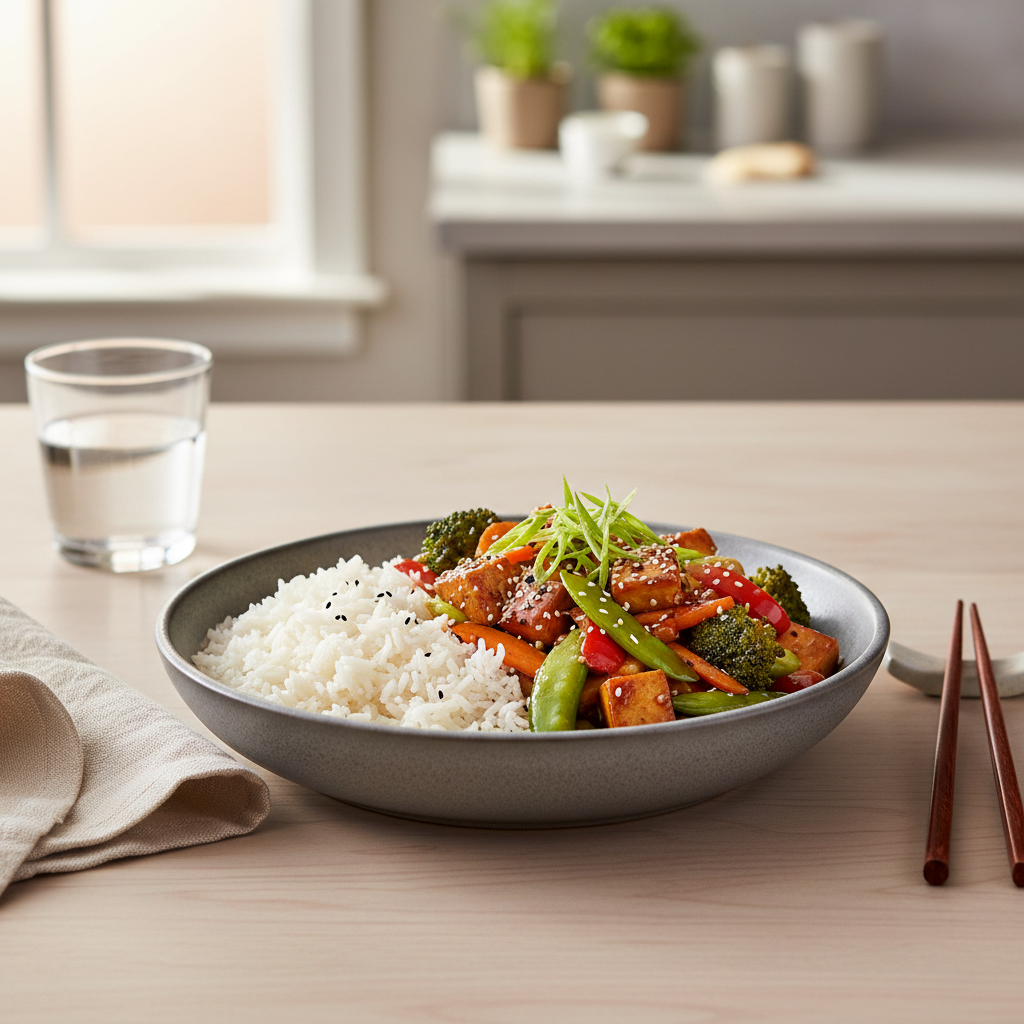
Step-by-step method you can repeat (works for most stir-fry recipes)
If you want consistency, follow the same order almost every time, it removes guesswork and keeps dinner calm.
- 1) Preheat pan: medium-high to high, then add oil when the pan feels hot.
- 2) Cook protein: spread out, don’t poke constantly, pull when just done.
- 3) Cook hard vegetables: carrots, broccoli stems, green beans, add splash of water if needed.
- 4) Add quick vegetables: peppers, mushrooms, snap peas, leafy greens last.
- 5) Aromatics last-minute: garlic and ginger burn fast, give them 15–30 seconds.
- 6) Sauce in, toss, thicken: let it bubble briefly, then return protein.
Key point: if your pan is crowded, cook in two rounds. It feels slower, but it often ends up faster than trying to “fix” a watery stir-fry.
Common mistakes (and the quick fixes that actually help)
Most stir-fry frustration comes from a few repeating issues. Fix these and your success rate jumps without fancy tools.
- Soggy vegetables: pan too cool or too crowded, use higher heat, cook in batches, dry vegetables well.
- Bland taste: sauce needs salt + acid, add a small splash of vinegar or citrus and taste again.
- Meat turns tough: slices too thick or overcooked, cut thinner, marinate briefly with a teaspoon of cornstarch.
- Sauce burns: sugar added too early, add sweeteners near the end, keep it moving once sauce goes in.
- Everything tastes the same: change the finish, lime, toasted sesame oil, fresh herbs, crushed peanuts.
Make it healthier without making it sad
“Healthy” depends on your goals, but most people just want more vegetables, more control of sodium, and fewer heavy add-ons. Stir-frying can fit that, as long as you don’t drown it in sauce.
- Boost vegetables: aim for a bigger veg-to-protein ratio, cabbage, broccoli, snap peas, frozen stir-fry blends all work.
- Use smart carbs: brown rice, quinoa, or cauliflower rice can work; pick what you’ll actually eat.
- Watch sodium: try low-sodium soy sauce and lean on acid, aromatics, and spice for flavor.
- Oil matters: you usually don’t need much, but don’t eliminate it completely or food sticks and steams.
If you have a medical condition or a prescribed diet, it’s worth checking with a registered dietitian or clinician, especially if sodium or added sugar is a concern.
Practical weeknight workflow: plan once, eat twice
The easiest way to keep stir fry recipes in rotation is to reuse prep, not repeat meals exactly.
- Batch a sauce: make one jar of classic savory, one jar of peanut-lime, keep 4–5 days in the fridge in many kitchens.
- Prep “base veg”: slice onions, peppers, and cabbage, store in containers.
- Rotate proteins: chicken one night, tofu next, shrimp later, same vegetables feel new with a different sauce.
- Use leftovers on purpose: yesterday’s rice becomes fried rice, extra stir-fry becomes a wrap filling.
Conclusion: keep the method, change the details
Good stir-frying is less about collecting endless recipes and more about repeating a method until it feels automatic. Once you have one or two sauces you like, dinner becomes a quick decision instead of a daily negotiation.
Action idea for tonight: pick one protein, two vegetables, and one sauce from the table, prep everything before heat, then cook in batches if the pan looks crowded. That small discipline is what makes weeknights feel easier.
FAQ
What are the best stir fry recipes for beginners?
Chicken and broccoli with a simple garlic-soy sauce is a friendly starting point because the ingredients are forgiving and the flavor profile is familiar. Focus on heat and not crowding the pan.
Can I make stir-fry without a wok?
Yes. A large skillet works well, especially cast iron or stainless steel. The main limitation is space, so batch-cooking becomes more important.
How do I keep vegetables crisp in a quick stir-fry?
Dry the vegetables, use high heat, and cook hard vegetables first. If you need steam to soften broccoli or carrots, add just a splash of water and cover briefly, then uncover to cook off moisture.
What protein cooks fastest for weeknight stir fry recipes?
Shrimp, thin-sliced chicken breast, and ground turkey are usually quick. Tofu is also fast if you brown it while your rice cooks, then everything comes together quickly.
How do I thicken stir-fry sauce without making it gummy?
Mix cornstarch with cold water first, then add to the bubbling sauce. Start small, you can always add a little more, but too much thickener can turn sauce pasty.
Are frozen vegetables okay in stir fry recipes?
They can be convenient, especially frozen stir-fry blends. Expect a bit more moisture, so use higher heat and cook longer to evaporate water, or thaw and pat dry if texture matters to you.
How long can I store leftover stir-fry?
Many cooked leftovers keep a few days in the fridge when stored promptly in a sealed container. Reheat until steaming hot, and if food safety is a concern, follow guidance from USDA FSIS for leftovers and reheating.
Why does my stir-fry taste salty but still flat?
That’s usually missing acid or aroma rather than more salt. A small splash of rice vinegar, lime juice, or a handful of sliced scallions at the end often wakes up the whole pan.
If you’re building a weeknight routine and want stir-fry dinners to feel almost automatic, it can help to keep two go-to sauces, one freezer vegetable option, and one fast protein on standby, that simple “kit” saves more time than hunting for new recipes every night.