
Fried rice easy sounds like a weeknight miracle until it turns soggy, bland, or weirdly sticky. The good news is it’s usually not your skills, it’s the order you cook things and how your rice gets prepped.
This recipe is built for leftovers, not a “special trip to the store” situation. You’ll learn what to do with yesterday’s rice, random veggies, that last scoop of rotisserie chicken, or a lonely pork chop.
I’ll also call out the small choices that change everything, pan heat, moisture control, when to add sauce, and how to make it taste like something you’d order, without needing a wok or a burner that feels like a jet engine.
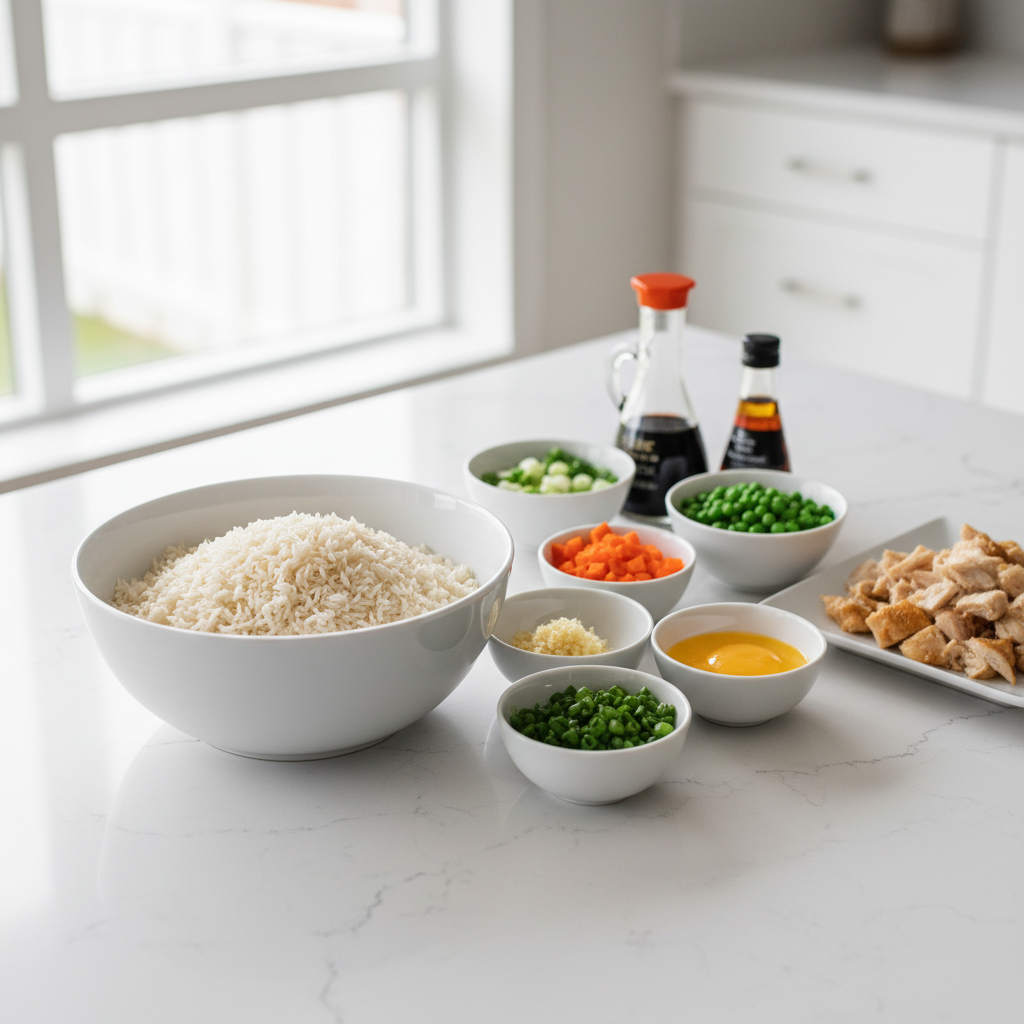
Why leftover fried rice goes wrong (and how to prevent it)
Most “meh” fried rice comes down to moisture and timing. You’re trying to fry, but the pan ends up steaming, and steamed rice tastes flat.
- Rice is too fresh: warm rice clumps and releases moisture, which makes everything gummy. Chilled rice separates and fries better.
- Pan isn’t hot enough: if ingredients don’t sizzle, they sweat. A crowded pan drops heat fast.
- Too much sauce too early: soy sauce added at the start can turn the whole pan wet, plus it can stain rice before it has any toasted flavor.
- Watery vegetables: mushrooms, zucchini, frozen veg, and spinach dump water unless you manage them.
According to the USDA, cooked rice should be cooled and refrigerated promptly for food safety, and reheated thoroughly before eating. That’s also convenient here, cold rice is exactly what this method likes.
Your quick self-check: are your leftovers “fried rice ready”?
Before you cook, take 60 seconds to size up what you have. This is where fried rice easy becomes predictable instead of random.
- Rice: ideally cold and dry-ish, separate grains when you press it. If it’s wet, spread on a tray 10–15 minutes to air-dry.
- Protein: already cooked is perfect. If raw, cook it first, remove, then continue.
- Veg: frozen is fine, just thaw and pat dry. High-water veg should be cooked quickly on high heat.
- Sauce: mix it in a cup now so you don’t over-pour later.
Fried rice easy base recipe (built for leftovers)
This makes about 3–4 servings depending on how loaded you make it. Keep the ratios flexible, the method matters more than exact measuring.
Ingredients
- 4 cups cold cooked rice (day-old is great)
- 2–3 tbsp neutral oil (canola, avocado, grapeseed)
- 2 eggs, beaten
- 1 to 2 cups mixed vegetables (peas/carrots, diced bell pepper, corn, chopped broccoli)
- 1 to 2 cups cooked protein (chicken, shrimp, pork, tofu)
- 2 cloves garlic, minced
- 2–3 scallions, sliced
Simple sauce (mix in a cup)
- 2 tbsp soy sauce (or tamari)
- 1 tbsp oyster sauce or hoisin (optional but adds depth)
- 1 tsp toasted sesame oil (add at the end if you like stronger aroma)
- 1–2 tsp rice vinegar or lime juice (optional, brightens leftovers)
- Black pepper or chili flakes to taste
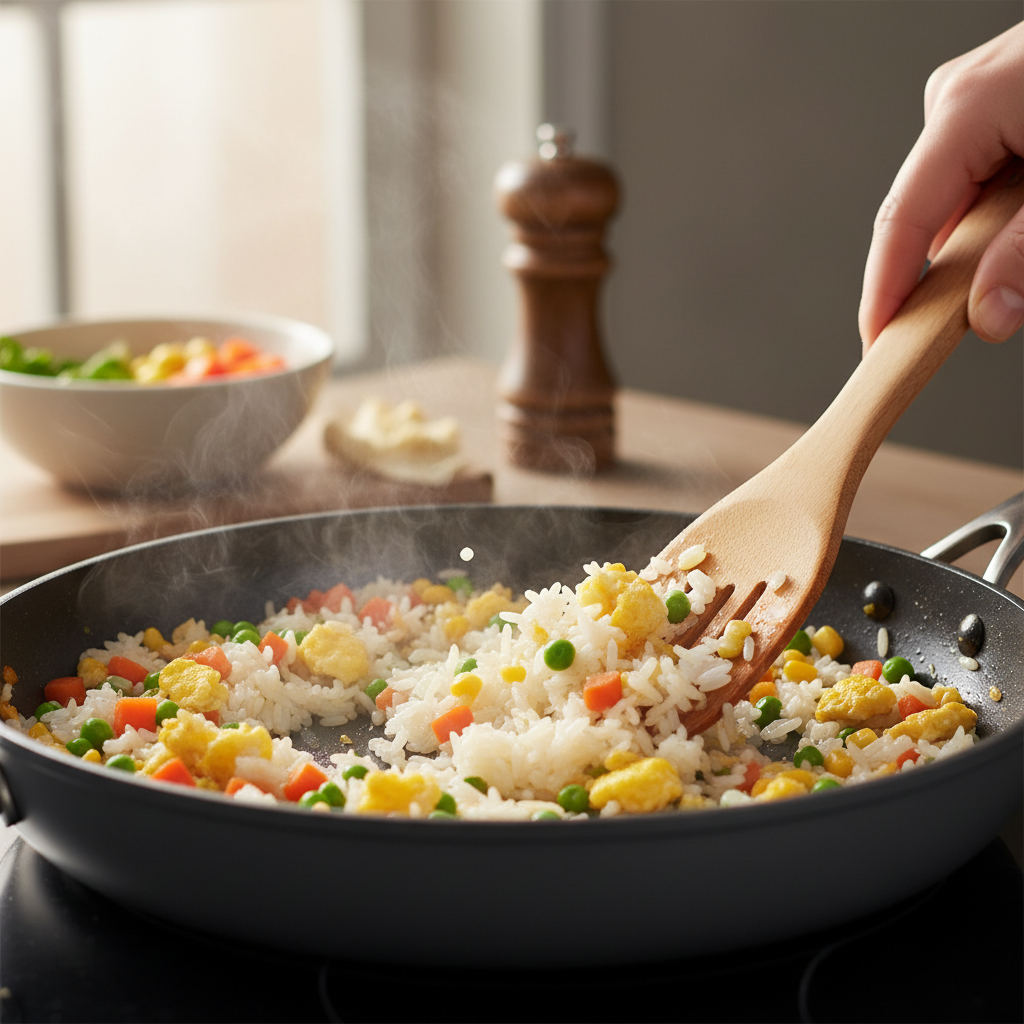
Step-by-step method (the order is the “secret”)
- Preheat the pan: use a large skillet or wok, medium-high to high heat, wait until oil shimmers.
- Scramble eggs first: add a little oil, pour eggs, stir quickly, remove to a plate. Don’t overcook.
- Cook aromatics: add oil, sauté garlic and half the scallions for 15–30 seconds. If it smells nutty, you went a touch too far, lower heat and keep moving.
- Fry vegetables: toss in veggies, keep heat high, stir-fry until crisp-tender. If using frozen veg, keep it moving so moisture evaporates.
- Add rice and press: add cold rice, break clumps, then spread it out. Let it sit 20–40 seconds to toast, then toss. Repeat once.
- Add protein and eggs: return cooked protein and scrambled eggs, toss to combine.
- Sauce last: pour sauce around the edge of the hot pan, not directly on the rice mound, then toss fast so it coats and reduces instead of soaking.
- Finish: remaining scallions, a small drizzle of sesame oil if using, taste and adjust with soy, pepper, or vinegar.
If you want that slightly smoky “restaurant” note, let the rice sit in contact with the pan a few beats between tosses. It’s not about burning, it’s about light browning and evaporation.
Make it work with what you have: swaps and add-ins
Leftover fried rice is basically structured improvisation. Keep one thing in mind: wet ingredients go in earlier so water cooks off, finishing flavors go in late.
- No oyster sauce: add a little extra soy plus a pinch of sugar or a tiny squirt of ketchup for balance.
- Vegetarian: tofu, edamame, or just more eggs. Use tamari plus a little mushroom seasoning if you like it.
- Spicy: chili crisp, sriracha, gochujang, or diced jalapeño. Add spicy sauces after the rice starts to toast.
- Pineapple / sweet: add near the end so it warms without leaking too much juice.
- Extra crunchy: toss in chopped cashews or peanuts off heat.
Timing + portion guide (so you don’t overcrowd the pan)
A common reason fried rice easy turns into “rice casserole” is packing too much into a small skillet. Here’s a practical guide.
| Pan size | Max rice amount | Best batch style | Typical cook time |
|---|---|---|---|
| 10-inch skillet | 2–3 cups cooked rice | Cook in 2 batches | 8–12 min |
| 12-inch skillet | 4 cups cooked rice | Single batch | 10–15 min |
| Wok (14-inch) | 4–6 cups cooked rice | Single batch, high heat | 8–12 min |
If you’re unsure, do two batches. It feels slower, but the texture payoff is real, and the second batch always goes faster once you’re warmed up.
Key points that make it taste “right”
- Cold rice wins: if your rice is fresh, cool it fast by spreading it out, then cook.
- Season in layers: salt from soy sauce, sweetness from oyster/hoisin, brightness from vinegar, aroma from sesame oil.
- Keep things moving, then stop: stir to mix, then pause to toast. Constant stirring prevents browning.
- Use the pan edge for sauce: it reduces faster and coats better.
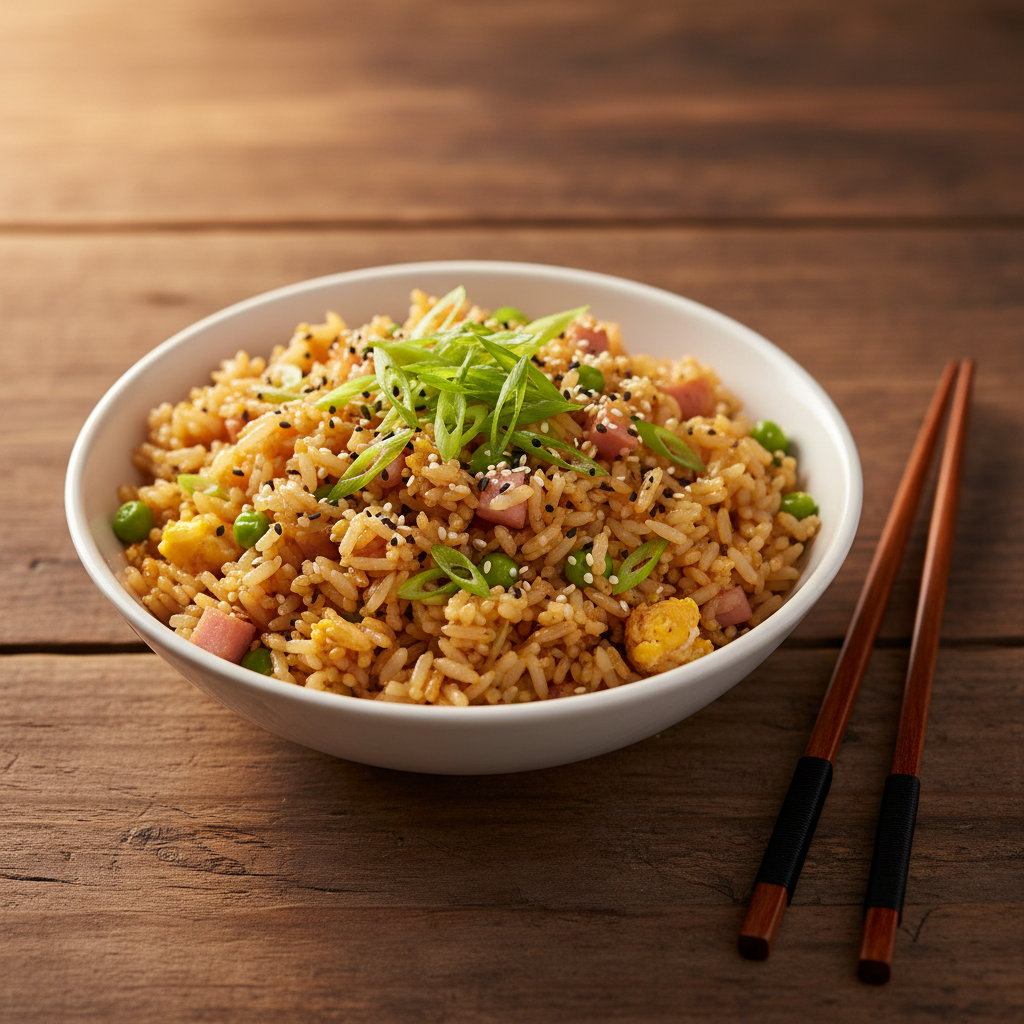
Food safety and storage (quick but important)
Rice is one of those leftovers where basic handling matters. According to the USDA, refrigerate cooked foods promptly and reheat leftovers to a safe temperature. If you have health concerns, it’s reasonable to be extra cautious and consult a qualified professional for personalized guidance.
- Store rice in shallow containers so it cools faster.
- Reheat fried rice until it’s piping hot, especially if it sat in the fridge for a couple days.
- If leftovers smell off or feel unusually slimy, skip the “maybe it’s fine” debate and toss it.
Practical step-by-step: your 10-minute leftover plan
When you’re tired, the hardest part is deciding. Here’s a simple flow that keeps fried rice easy even on low-energy nights.
- Pick one protein and one veg combo.
- Mix sauce in a cup before the pan gets hot.
- Eggs out first, then veg, then rice, then sauce.
- Taste at the end and adjust, not halfway through.
Conclusion: The “easy” part of fried rice isn’t shortcuts, it’s using leftovers with a method that protects heat and reduces moisture. Next time you’ve got cold rice, commit to high heat, don’t crowd the pan, and add sauce late, it’s the difference between soggy and satisfying.
If you want a simple next step, pick one night this week to cook rice on purpose, chill it, and treat it as tomorrow’s dinner insurance.
FAQ
Can I make fried rice with freshly cooked rice?
You can, but texture often suffers because fresh rice carries more surface moisture. If that’s all you have, spread it on a sheet pan and cool it until it feels drier and separates more easily.
Why does my fried rice taste bland even with soy sauce?
Usually it’s missing balance, a little sweetness and acidity help, and sesame oil or scallions add aroma. Also make sure the rice actually toasts; browning adds flavor without extra salt.
What’s the best oil for fried rice?
Use a neutral oil with a higher smoke point for frying, like canola or avocado oil. Save toasted sesame oil for finishing since it can taste harsh if cooked too long on high heat.
How do I stop rice from sticking to the pan?
Preheat the pan, use enough oil, and avoid moving the rice too early. Sticking can also happen if the pan is not hot yet or if the rice is very wet.
Can I use brown rice or cauliflower rice?
Brown rice works well and stays pleasantly chewy, just expect slightly longer time to heat through. Cauliflower rice can work, but it releases water, cook it hot and fast, and keep sauces lighter.
What protein works best with leftovers?
Anything already cooked is convenient: rotisserie chicken, steak slices, pork tenderloin, shrimp, or tofu. Just add it near the end so it warms without drying out.
How long does leftover fried rice keep in the fridge?
Many home cooks use a 3–4 day window, but storage time depends on how quickly it was chilled and how cold your fridge runs. When in doubt, prioritize smell, texture, and food-safety guidance from the USDA.
Is fried rice healthy?
It depends on portions, oil amount, and what you add. If you want a lighter bowl, use more vegetables, lean protein, and a bit less oil, and keep salty sauces measured.
If you’re trying to make leftovers feel less repetitive, keep a small “fried rice kit” on hand, soy sauce or tamari, garlic, scallions, and frozen mixed veg, so you can turn cold rice into dinner without thinking too hard.