
Pot recipes are the fastest way to get a real dinner on the table when you want fewer dishes, less stress, and food that still tastes like you tried.
If your weeknights look like “one burner free, one pan dirty, everyone hungry,” stovetop cooking can feel like a trap. The good news is that a pot is more flexible than people give it credit for: you can sear, simmer, steam, and even "one-pot" finish pasta or rice in the same vessel.
This guide keeps things practical, what to cook, why it works, and how to avoid the common stovetop mistakes that turn simple meals into mushy, bland, or scorched frustration.
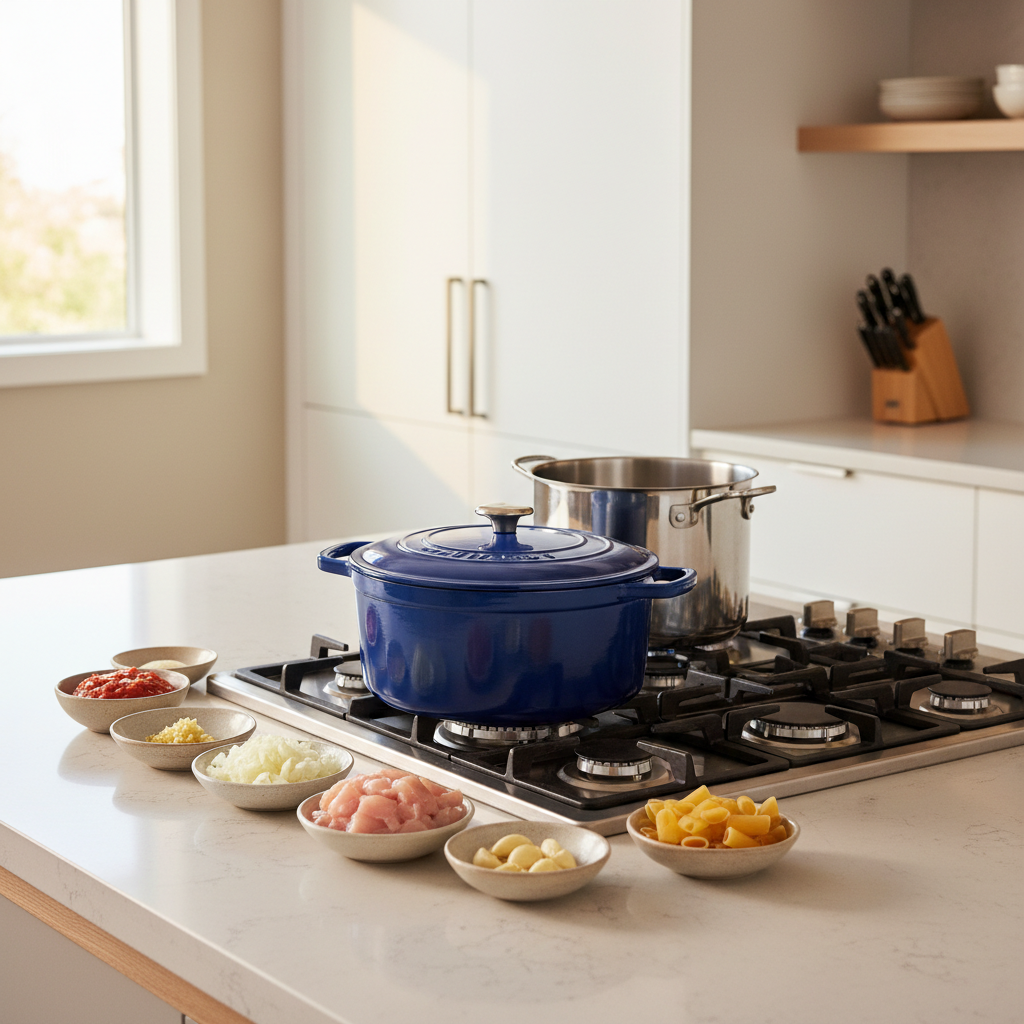
Why stovetop pot meals work (and where they usually go wrong)
The biggest advantage is control. On the stovetop you can adjust heat instantly, taste as you go, and build flavor in layers instead of hoping an oven timer saves you.
- Flavor builds faster: sautéing onions, garlic, or spices in oil wakes everything up before liquid goes in.
- Texture stays in your hands: you can stop the simmer the moment chicken is done or pasta hits al dente.
- Budget-friendly: beans, lentils, rice, and cheaper cuts do well with gentle simmering.
Where people slip: heat too high, adding all ingredients at once, or using the wrong pot size. A pot that’s too small boils over, too big can make sauces reduce too slowly and taste flat.
Safety note: keep handles turned inward, watch steam burns, and simmer rather than hard-boil when possible to reduce splatter.
Quick self-check: pick the right pot recipe for tonight
Before you choose a dish, do a quick reality check. The “right” choice is usually the one that matches your time and energy, not the fanciest option.
- 20 minutes or less: pasta-ish meals, quick soups, eggs in purgatory style simmered sauces, shrimp and orzo.
- 30–45 minutes: chili, lentil soup, skillet-to-pot rice dishes, creamy tomato soup with grilled-cheese energy.
- Low attention span: long, gentle simmer dishes like beans, chicken soup, or braise-adjacent stews.
- Need leftovers: chili, minestrone, chicken and rice soup, red beans style meals.
- Cleaning tolerance = low: true one-pot pasta, rice-and-protein simmers, thick soups.
If you’re unsure, pick a soup or chili-style pot meal. They’re forgiving, and seasoning can be adjusted at the end.
Core stovetop techniques that make pot recipes taste better
Most “easy” meals taste easy because the pot stays in one mode: dump and boil. These small moves change the outcome without adding much work.
1) Start with a flavor base
Sauté onions, celery, carrots, or just onions and garlic in oil until fragrant, then add tomato paste or spices for 30–60 seconds. That short toast step matters.
2) Use the lid like a tool, not a default
- Lid on: faster simmer, tender beans, softer veggies, less evaporation.
- Lid off: reduction, thicker sauces, better concentration.
- Lid ajar: the sweet spot for stews that need thickening without scorching.
3) Add ingredients in the order they deserve
Hard vegetables first, delicate greens last. Pasta and rice go in when the liquid is properly seasoned, because they absorb flavor as they cook.
4) Season in layers, then finish bright
Salt early enough to penetrate, then finish with acid and freshness: lemon, vinegar, pickled jalapeños, scallions, cilantro, or a small spoon of pesto.
According to USDA Food Safety and Inspection Service, soups and stews should be reheated to at least 165°F for safety; a kitchen thermometer removes guesswork, especially with leftovers.
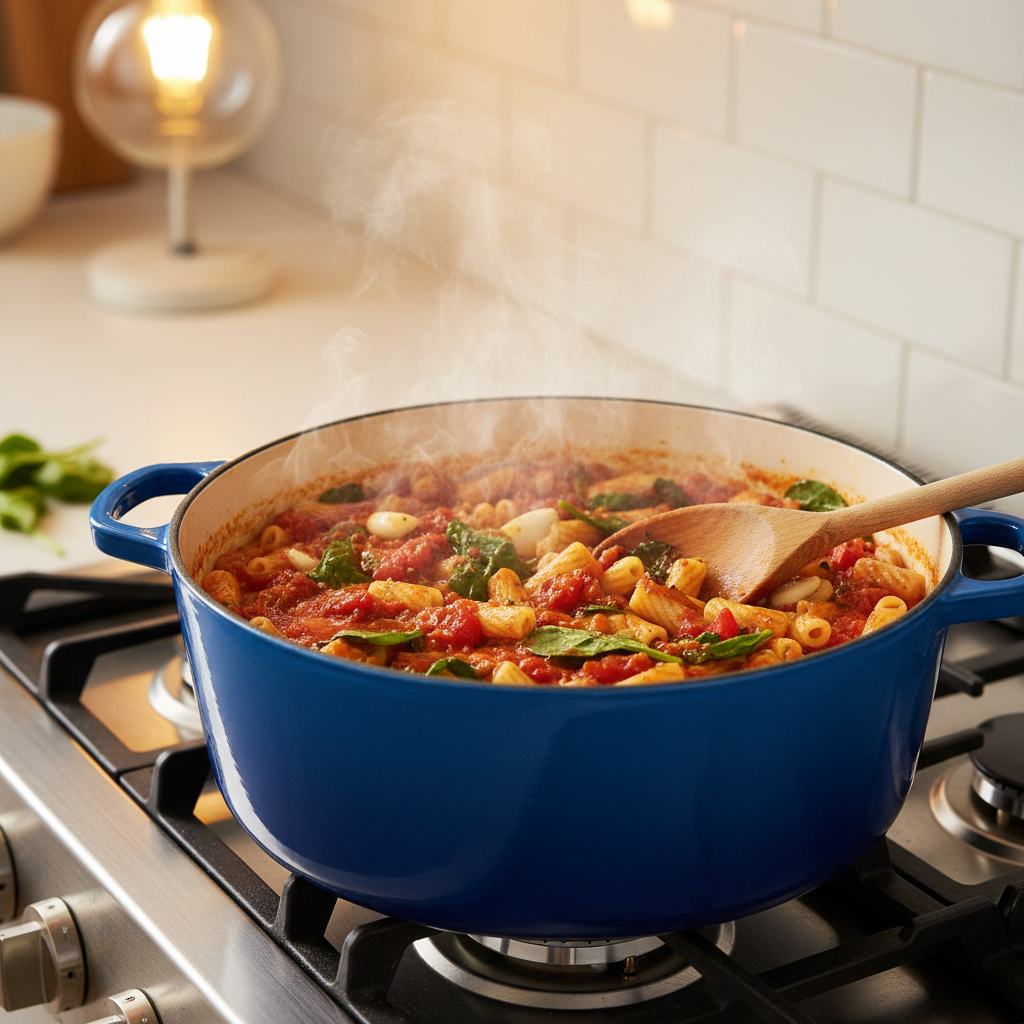
Easy pot recipes for stovetop: 7 reliable options
These are written like “templates,” because that’s how weeknight cooking works. Swap proteins, change beans, adjust heat, keep the method.
1) One-pot tomato basil pasta (no separate boiling)
- Base: sauté garlic in olive oil, add a spoon of tomato paste.
- Pot add-ins: crushed tomatoes, broth or water, pasta, salt.
- Finish: basil, parmesan, splash of cream or butter if you want.
Tip: stir more often than you think, pasta likes to settle and stick.
2) Weeknight chicken tortilla soup
- Base: onion, cumin, chili powder; toast spices briefly.
- Pot add-ins: canned tomatoes, broth, beans, corn, cooked shredded chicken.
- Finish: lime, cilantro, tortilla strips, avocado.
This is one of those pot recipes that tastes “restaurant” mainly because of lime at the end.
3) Fast lentil and veggie stew
- Base: onions, carrots, celery; add smoked paprika.
- Pot add-ins: brown or green lentils, broth, bay leaf.
- Finish: lemon juice, olive oil, handful of spinach.
Red lentils cook faster but turn creamy; green/brown keep shape for a stew vibe.
4) Stovetop chili (bean-forward, flexible protein)
- Base: sauté onion, brown ground turkey/beef if using.
- Pot add-ins: beans, tomatoes, chili powder, cocoa pinch optional.
- Finish: shredded cheese, scallions, hot sauce.
If it tastes flat, it often needs salt plus a splash of vinegar, not more chili powder.
5) Creamy “no-cream” potato leek soup
- Base: leeks in butter or olive oil, low heat so they soften not brown.
- Pot add-ins: potatoes, broth, thyme.
- Finish: blend part of it, add black pepper and chives.
Blending half thickens naturally, which keeps it weeknight-simple.
6) Rice-and-sausage pot with peppers (semi-jambalaya energy)
- Base: brown sliced sausage, sauté peppers and onions in the drippings.
- Pot add-ins: rice, broth, canned tomatoes optional.
- Finish: parsley, lemon, or a dash of hot sauce.
Keep the simmer gentle so the bottom doesn’t scorch before rice cooks through.
7) Miso noodle soup with greens and eggs
- Base: simmer broth with ginger and garlic.
- Pot add-ins: noodles, mushrooms, greens.
- Finish: whisk miso with hot broth off-heat, then return; add soft-boiled egg.
Don’t boil miso hard, many cooks prefer adding it off heat to keep flavor clean.
One table to plan your week: time, pot size, and best use
If you cook often, this small planning step prevents the classic “wrong pot, wrong timeline” problem.
| Recipe type | Active time | Total time | Best pot | Great for |
|---|---|---|---|---|
| One-pot pasta | 8–12 min | 20–25 min | 4–6 qt Dutch oven | Low dishes, fast dinner |
| Tortilla soup | 10–15 min | 30–40 min | 6–8 qt stockpot | Leftovers, crowd-pleaser |
| Lentil stew | 10–15 min | 35–50 min | 5–7 qt pot | Meal prep, budget meals |
| Chili | 15–20 min | 45–75 min | 6 qt Dutch oven | Freezer-friendly batches |
| Potato leek soup | 10–15 min | 35–55 min | 5–7 qt pot | Comfort food, simple pantry |
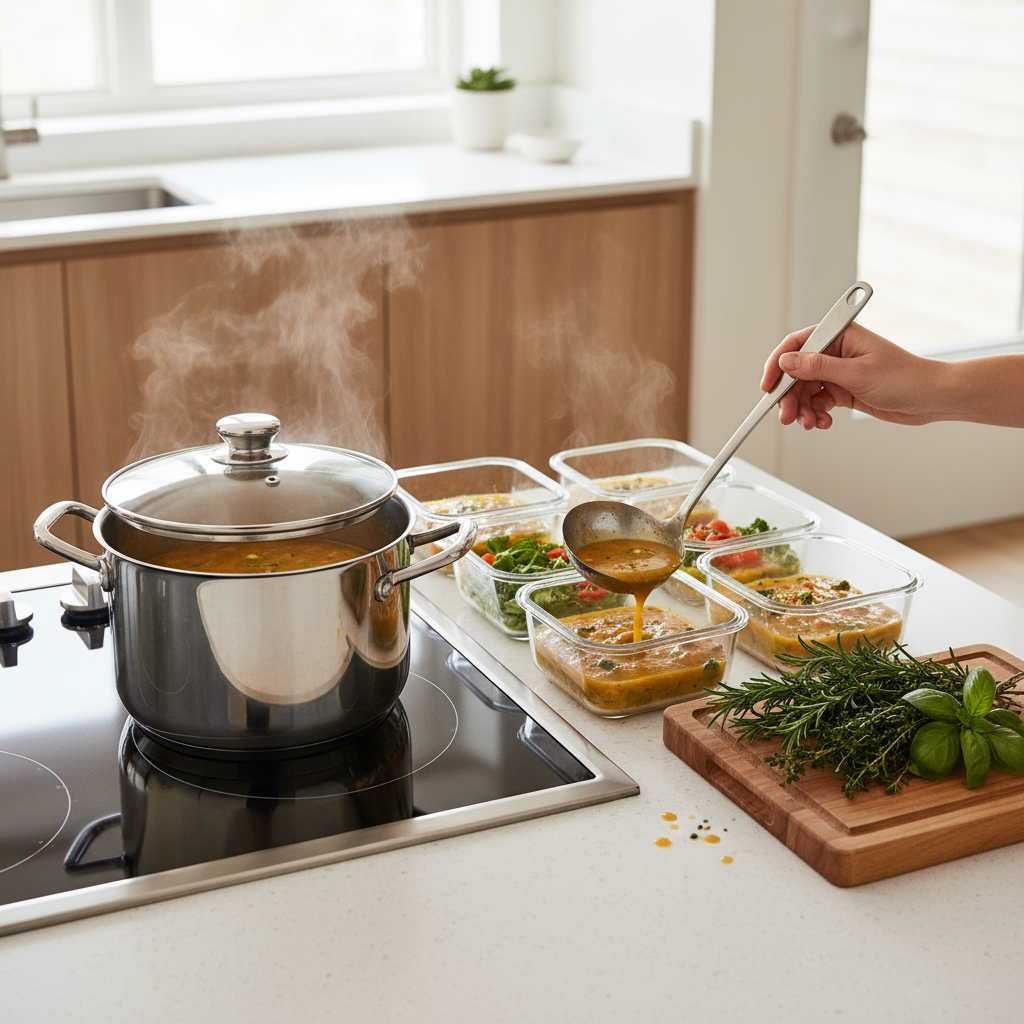
Practical execution: a simple stovetop workflow (less chaos, better results)
Most people don’t need more recipes, they need a repeatable rhythm that makes pot cooking feel automatic.
- Prep smart: chop one onion, mince garlic, open cans, measure spices before heat goes on.
- Build base flavor: oil + aromatics + a quick toast for tomato paste or spices.
- Simmer with intention: keep it at a gentle bubble; aggressive boiling breaks ingredients down and increases sticking.
- Taste at the end twice: once for salt, once for acid or freshness.
For leftovers, cool quickly and refrigerate promptly. According to CDC, large pots of hot food should be cooled in a way that helps it drop in temperature faster, shallow containers usually work better than storing a full hot pot in the fridge.
Common mistakes that make easy pot recipes disappointing
- Under-seasoned cooking liquid: if your broth tastes bland, the finished rice or pasta will taste bland too.
- Skipping browning: even 3–5 minutes of browning sausage or ground meat adds depth you can’t fake later.
- Stirring too little: starch settles, then scorches; if you smell toast and you didn’t toast anything, stir now.
- Overcrowding delicate ingredients: spinach, herbs, shrimp, and peas should go in late.
- Adding dairy at a hard boil: lower heat first, then add cream, cheese, or yogurt to reduce curdling risk.
Also, be careful with “set it and forget it” when the pot holds thick foods like chili or oatmeal. Thick mixtures can burp and splatter.
Conclusion: keep 2–3 pot recipes on rotation and stop overthinking dinner
The smartest way to use pot recipes is to treat them like dependable templates, one soup, one pasta, one bean or lentil dish, then rotate flavors so you don’t get bored.
Pick one recipe type for this week, shop for overlapping ingredients, and cook once with enough volume for lunch the next day. That’s the move that usually makes stovetop cooking feel worth it.
FAQ
What are the best pot recipes when I only have 30 minutes?
One-pot pasta and quick soups win because they cook while you stir and taste. If you already have rotisserie chicken, tortilla soup becomes especially fast.
Can I make one-pot pasta without it getting gummy?
Yes, but you need enough liquid to keep pasta moving, plus frequent stirring. Stop cooking as soon as it’s al dente, then let it sit 2 minutes to finish.
Which pot is better for stovetop meals, a Dutch oven or stockpot?
A Dutch oven browns and holds steady heat well, great for chili and stews. A stockpot shines for big-batch soups and anything with lots of liquid.
How do I fix a pot meal that tastes bland at the end?
Try salt first, then add a small splash of acid like lemon or vinegar. If it still feels dull, add something fresh on top, herbs, scallions, or a drizzle of olive oil.
Are pot recipes good for meal prep?
Usually yes, soups, chili, and lentil stews reheat well. Pasta-based one-pot meals can thicken overnight, so keep a little broth to loosen when reheating.
How do I prevent food from sticking to the bottom of the pot?
Use medium to medium-low heat for thick dishes, stir more often than you think, and scrape the bottom corners. If your pot runs hot, lower heat and extend cook time.
Is it safe to leave soup cooling on the stove?
For food safety, it’s generally better to cool faster rather than letting a large pot sit warm for a long time. If you’re unsure about safe handling for your situation, consider checking current guidance from public health agencies or asking a food safety professional.
If you’re trying to build a small weeknight rotation, it can help to choose two pot recipes you genuinely like, then keep a short pantry list on hand so dinner stays simple even when the day doesn’t.