
Energy bites are one of the easiest ways to keep a grab-and-go snack around without relying on sugary bars or vending-machine roulette.
If you’ve ever made a “healthy snack” plan and still ended up hungry an hour later, the problem is usually balance, not willpower. When your snack is mostly quick carbs, you get a spike, then a dip, then you’re hunting for more food.
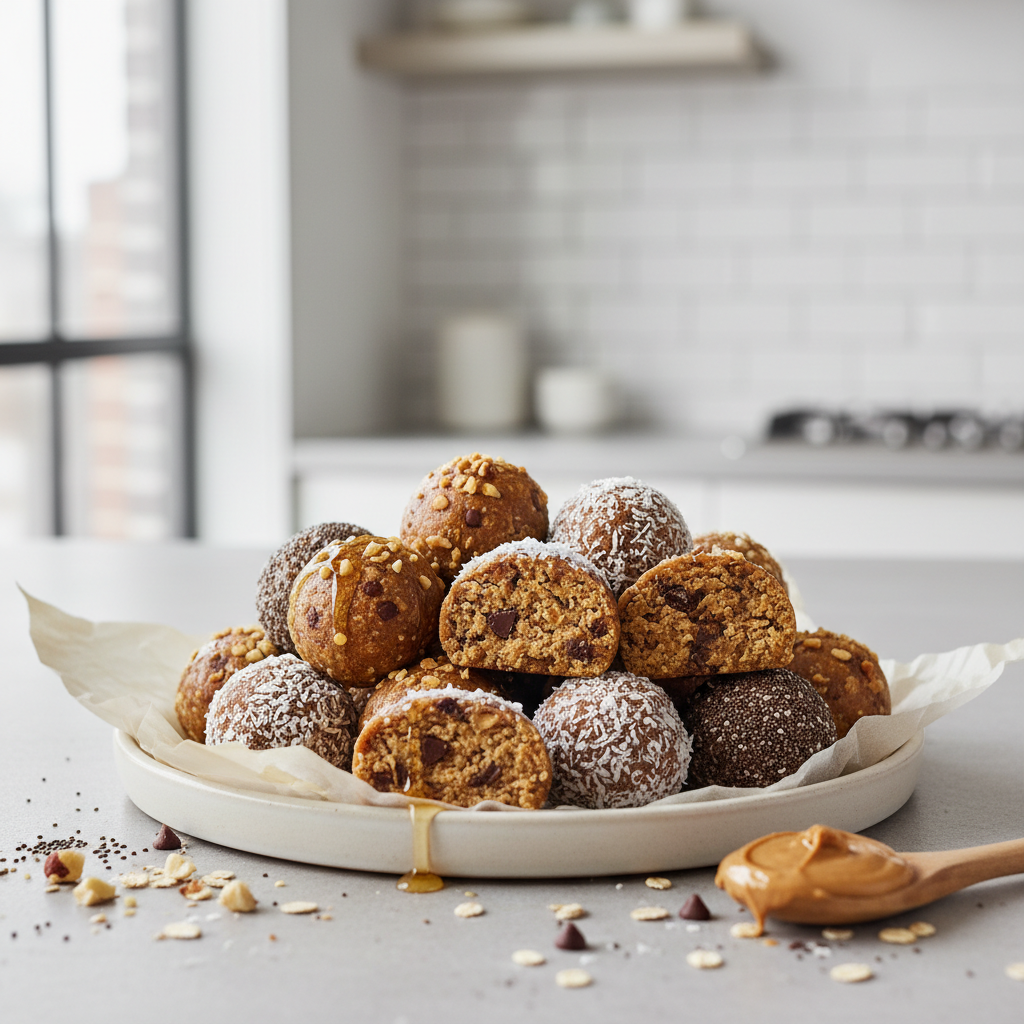
This guide gives you a simple formula, a few reliable recipes, and the small “why didn’t mine work?” fixes that make the difference. You’ll also get storage tips, portion guidance, and swaps for common dietary needs.
What makes energy bites “healthy” (and what often doesn’t)
Most energy bites recipes look similar online, but the nutrition can swing a lot depending on how heavy the sweeteners are and whether there’s enough protein and fiber to keep you satisfied.
According to the Dietary Guidelines for Americans, limiting added sugars is a common recommendation for overall health, which matters here because many no-bake bites can quietly turn into dessert if sweeteners take over.
- Better balance: oats or seeds for fiber + nut/seed butter for fats + a protein element (protein powder, hemp hearts, Greek yogurt powder) if needed.
- Watch-outs: heavy honey/maple syrup, lots of chocolate chips, “healthy” add-ins that still pile on sugar.
- Real-world goal: you want “steady energy,” not a candy-like hit.
The simple formula: mix, chill, roll, repeat
Once you know the ratio, you can make energy bites from what you already have. Think of it as a flexible template, not a strict recipe.
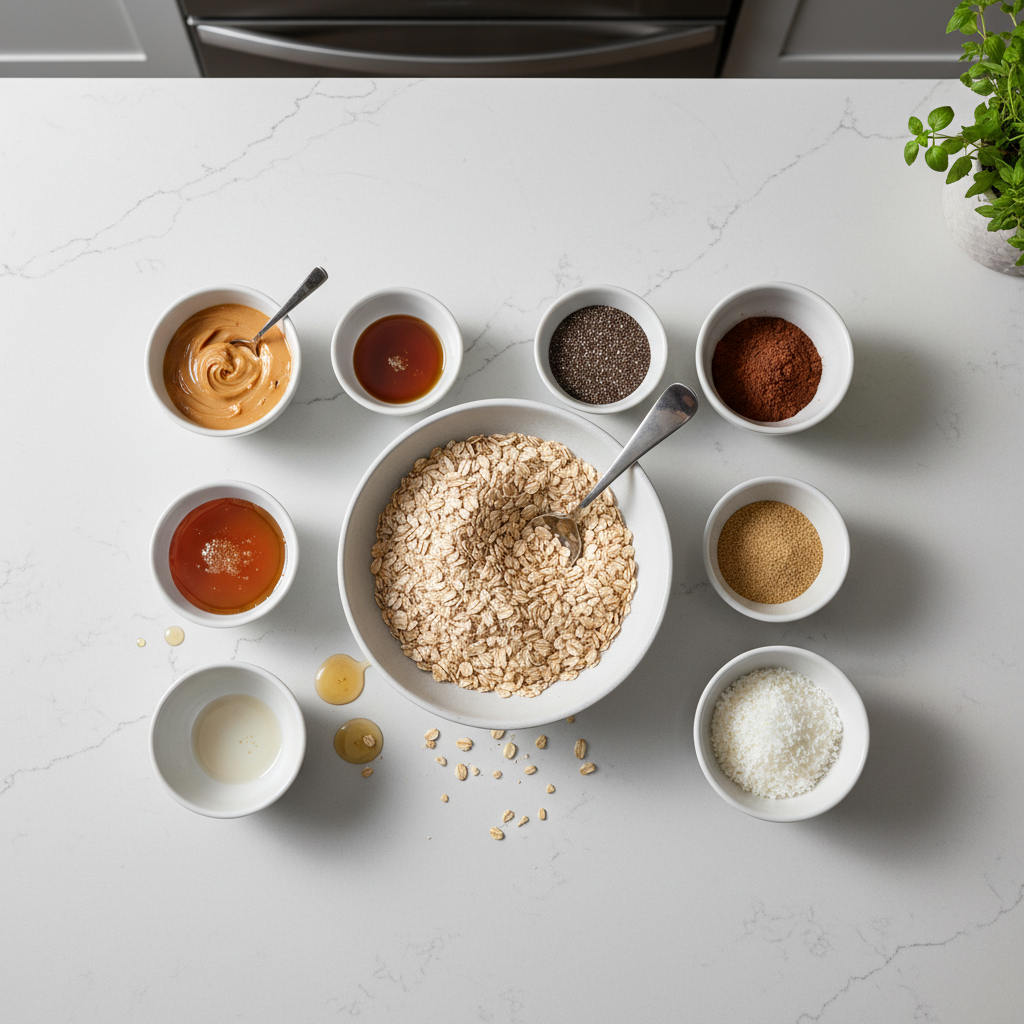
Base ratio (a dependable starting point):
- 1 cup rolled oats (or half oats, half ground oats for a smoother bite)
- 1/2 cup nut or seed butter
- 2–4 tbsp sweetener (honey, maple syrup, or date paste), adjust to taste
- 1–3 tbsp mix-ins (chia/flax, cocoa, coconut, chopped nuts)
- A pinch of salt + vanilla or cinnamon
Texture controls: too dry, add 1 tsp at a time of nut butter or a splash of milk; too sticky, add oats or ground flax in small increments. Chill 20–30 minutes before rolling if your kitchen is warm.
5 reliable energy bites recipes (no-bake)
These are built to be practical: pantry-friendly, not overly sweet, and easy to scale. If you’re new to energy bites, start with the first one, then branch out.
1) Classic Peanut Butter Oat Energy Bites
- 1 cup rolled oats
- 1/2 cup peanut butter
- 2–3 tbsp honey
- 1 tbsp ground flaxseed
- 1/2 tsp vanilla + pinch of salt
Mix, chill, roll into 12–16 balls. If you want less sweetness, drop honey to 2 tbsp and add a bit more vanilla and salt.
2) Chocolate Almond “Brownie” Bites
- 1 cup oats (or 3/4 cup oats + 1/4 cup almond flour)
- 1/2 cup almond butter
- 2 tbsp maple syrup
- 2 tbsp cocoa powder
- 1 tbsp chia seeds
If the cocoa tastes sharp, add a tiny pinch of salt and an extra teaspoon of syrup, then stop. It’s easy to oversweeten chocolate.
3) Lemon Coconut Bites (bright, not sugary)
- 1 cup oats
- 1/2 cup cashew butter (or sunflower seed butter)
- 2 tbsp honey
- Zest of 1 lemon + 1 tbsp lemon juice
- 1/4 cup unsweetened shredded coconut
Because citrus adds moisture, you may need a bit more oats to firm the mix. Chill helps a lot here.
4) High-Protein Vanilla Cinnamon Bites
- 1 cup oats
- 1/2 cup peanut or almond butter
- 1–2 scoops protein powder (whey or plant-based)
- 2 tbsp maple syrup
- 1 tsp cinnamon + 1 tsp vanilla
Protein powder thickens fast. Start with 1 scoop, mix, then decide. If it turns sandy, a tablespoon of milk can smooth it out.
5) Date-Sweetened Tahini Bites (less added sugar)
- 1 cup oats
- 1/2 cup tahini
- 1/3 cup date paste (or blended dates)
- 1 tbsp sesame seeds (optional) + pinch of salt
Date paste can vary in thickness, so adjust with oats if needed. Flavor-wise, tahini + dates tastes “grown-up,” not candy-like.
Quick comparison table: pick the right bite for your day
If you’re deciding based on mood, schedule, or workout timing, this quick table usually gets people unstuck.
| Goal / situation | Best recipe type | Why it fits |
|---|---|---|
| Afternoon slump at work | Classic peanut butter oat | Balanced fat + fiber, not too sweet |
| Pre-workout snack (light) | Lemon coconut or brownie bites | Feels lighter, still satisfying |
| Post-workout or higher protein day | High-protein vanilla cinnamon | Extra protein supports fullness |
| Cutting back on added sugar | Date-sweetened tahini | Sweetness mostly from fruit, not syrup |
| Kid-friendly / picky eaters | Classic peanut butter oat | Simple flavor, familiar texture |
Meal prep: how to store energy bites so they stay good
Homemade snacks fail when they’re annoying to keep fresh. Make storage easy and you’ll actually eat them.
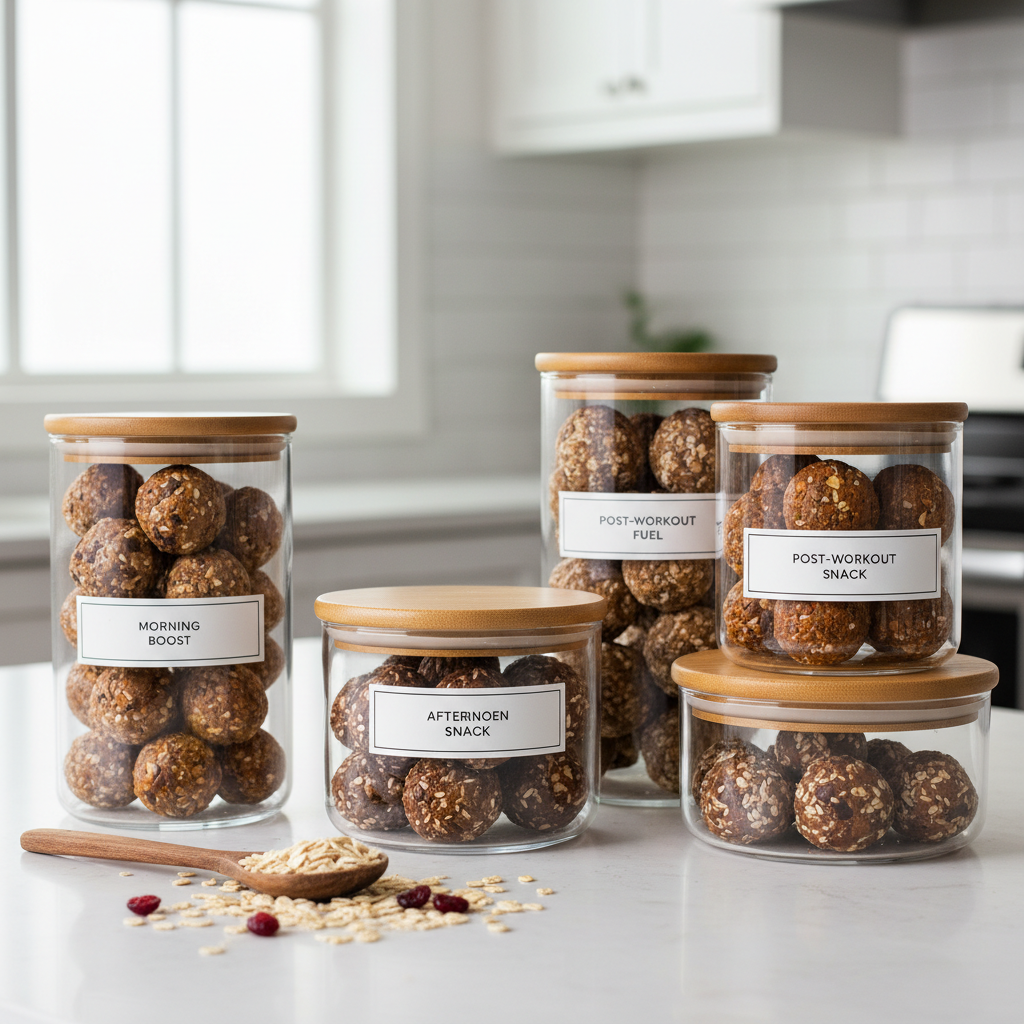
- Fridge: most recipes hold texture well for several days to about a week, depending on mix-ins and moisture.
- Freezer: great for batches; freeze on a tray, then move to a bag so they don’t clump.
- Containers: airtight matters, especially if you use coconut or add-ins that pick up fridge smells.
- Portioning: store in small containers so you grab 2–3 and move on, rather than standing in front of the fridge “sampling.”
Troubleshooting + smart swaps (gluten-free, nut-free, vegan)
Most issues come down to moisture and temperature. A close second is ingredient swaps that change texture more than people expect.
If they won’t hold together
- Add 1 tsp nut/seed butter at a time, mix well, then test.
- Chill longer; warm nut butter can trick you into thinking it’s “too dry.”
- Use ground flax or chia; both act like gentle binders once hydrated.
If they’re sticky or oily
- Add more oats, or half oats and half oat flour for quick firming.
- Cut back sweetener by 1 tbsp next batch; syrups often drive stickiness.
- Roll in coconut, cocoa, or crushed nuts to manage the outside texture.
Common dietary swaps (with a realism check)
- Gluten-free: use certified gluten-free oats if needed, especially for celiac.
- Nut-free: sunflower seed butter works well; tahini works but has a bolder flavor.
- Vegan: maple syrup or date paste instead of honey; choose plant protein powder if adding protein.
- Lower added sugar: lean on spices, vanilla, cocoa, and a pinch of salt; sweetness can drop more than you think when flavor is good.
If you manage diabetes, food allergies, or a medical nutrition plan, it’s worth checking ingredients and portions with a clinician or registered dietitian, since “healthy” snacks can still impact blood sugar or trigger allergens.
Practical steps: make a batch in 15 minutes (and actually stick with it)
This is the routine that tends to work in real kitchens, even when you’re tired.
- Pick one recipe and commit to one batch size, consistency beats variety at first.
- Mix in a bowl until no dry pockets remain, then taste before chilling.
- Chill 20–30 minutes, then roll with slightly damp hands to reduce sticking.
- Pack for your week, put 2–3 bites per container, and place them at eye level.
Key takeaways: build around oats + nut/seed butter, keep sweeteners modest, use chill time to fix texture, and store portions so your plan survives a busy week.
Conclusion: a “good snack” is the one you’ll keep eating
Energy bites work when they’re easy, not when they’re perfect. Start with a simple base, adjust sweetness down, and treat texture like a dial you can turn with oats or nut butter.
If you want one next step, make the classic peanut butter batch this week, then freeze half. That single move tends to eliminate the “I have nothing to snack on” problem faster than any new grocery haul.
If you’d rather keep it even simpler, save your favorite recipe, build a small pantry list around it, and rotate just one flavor change at a time so your energy bites stay a habit, not a project.