
Tomato recipes are the quickest way to make everyday dishes taste like you actually tried, even when dinner needs to happen fast and the tomatoes on your counter feel like a ticking clock.
If you have a pile of fresh tomatoes, the real challenge usually is not “what can I cook,” it’s choosing the right method for the tomato you have, the time you have, and the texture you want. A mealy supermarket tomato behaves differently than a sun-warm farmers’ market one, and that changes what works.
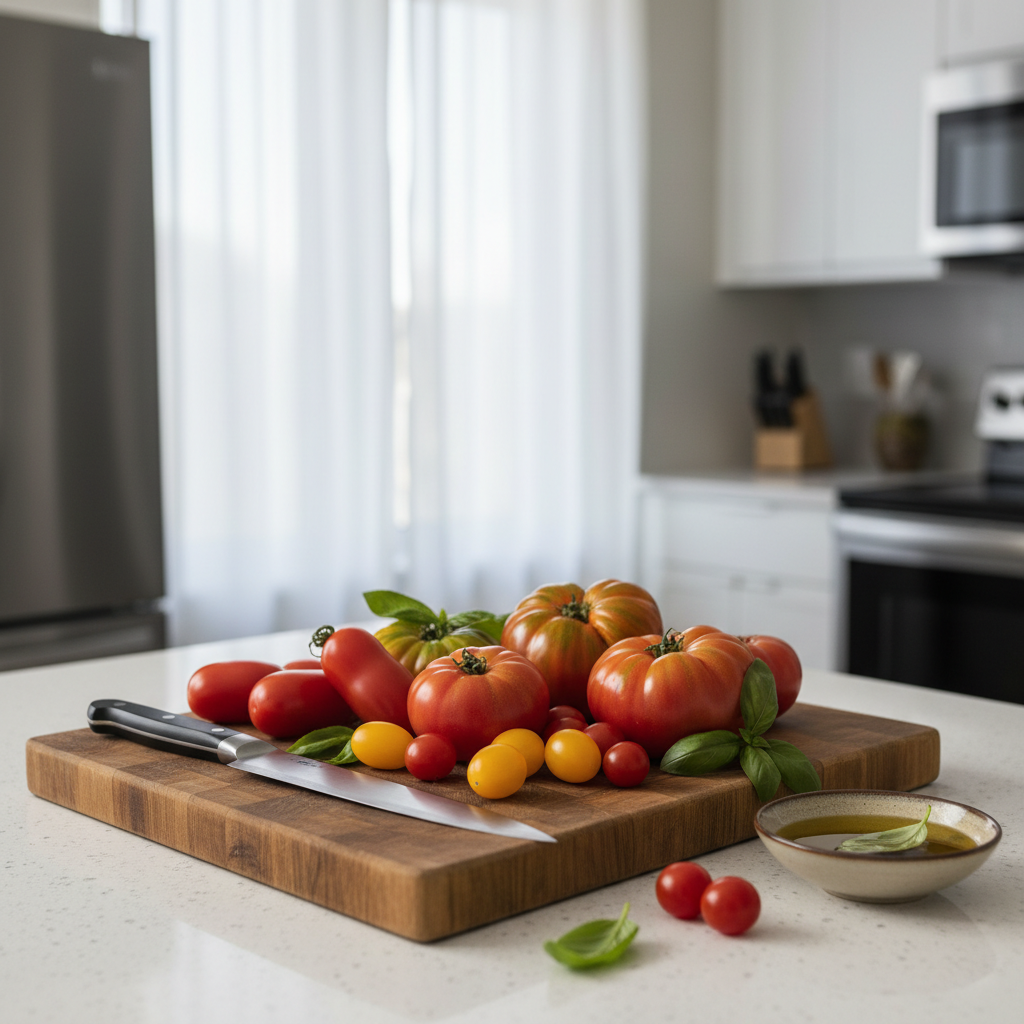
This guide focuses on practical tomato dishes you can rotate all week, plus a simple “pick the right tomato” checklist, a few techniques that matter more than fancy ingredients, and some common mistakes that quietly ruin flavor.
Pick the right tomato for the job (it matters more than you think)
Not every fresh tomato shines in every recipe. A watery slicer can make a salad sad, while a dense Roma turns into sauce with less effort. Use this as a quick mental shortcut, then adjust based on what’s actually in your kitchen.
Quick matching guide
- Roma / plum: sauces, roasting, sheet-pan dinners (less water, more “tomato paste energy”).
- Cherry / grape: blistered pasta sauces, quick sautés, salads (sweet, fast to cook, hard to mess up).
- Heirloom: caprese, tomato toast, simple salads (great raw, delicate when cooked).
- Vine-ripened slicers: sandwiches, pico de gallo, quick pan sauces (quality varies a lot by store and season).
Self-check: what do you actually need tonight?
- If the tomato feels heavy and firm, it usually roasts well and holds shape.
- If it’s very juicy and soft, plan for a sauce, soup, or a salad where you can drain excess liquid.
- If it tastes flat raw, roasting or a quick blister often brings it back to life.
The “core moves” that upgrade most tomato recipes
Most tomato dishes come down to a few repeatable techniques. Get these right and you can improvise confidently, even when you’re short on ingredients.
Salt early, then decide whether to drain
For salads, salsa, and bruschetta-style toppings, salting chopped tomatoes for 10–15 minutes pulls out water and concentrates flavor. Drain if you want a cleaner bite, keep the juices if you want a built-in dressing.
Use heat to concentrate, not to punish
High heat helps tomatoes caramelize, but scorched tomato tastes bitter fast. If your pan is smoking and the garlic is browning, turn it down, add a splash of water, wine, or broth, and keep going.
Balance tomato with fat and acid
Tomatoes love olive oil, butter, cheese, or avocado because fat carries aroma. A small hit of acid, like lemon or a little vinegar, can wake up a dull tomato, but if your tomatoes are already tangy, you may not need it.
7 fresh tomato dishes you can rotate all week
These tomato recipes are built for real weeknights: minimal specialty ingredients, flexible portions, and leftovers that still taste good.
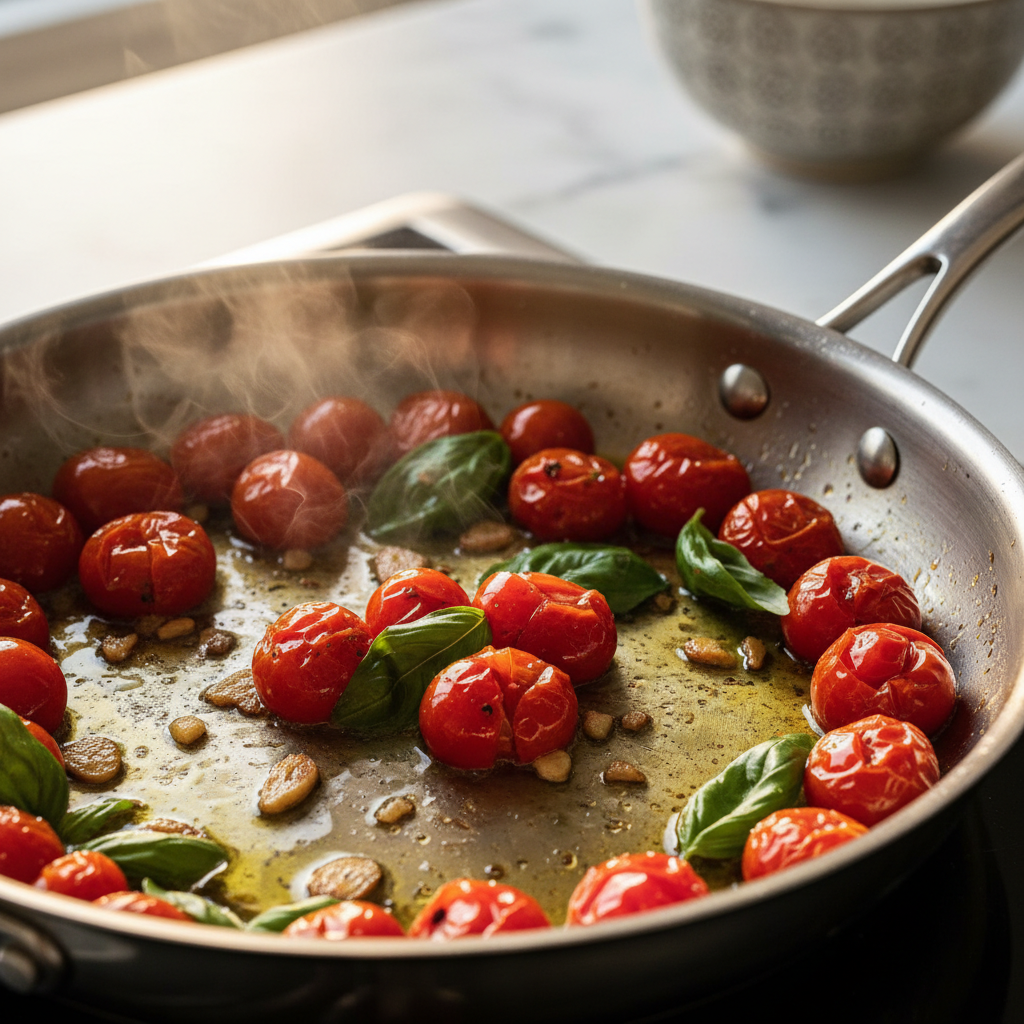
1) Blistered cherry tomato pasta (15–20 minutes)
Heat olive oil, add garlic (gentle heat), toss in cherry tomatoes until they burst, season well, then add pasta water to make it glossy. Finish with basil and parmesan or feta.
- Best tomato: cherry or grape
- Fast upgrade: stir in a spoon of pesto or a pinch of red pepper flakes
2) Sheet-pan roasted tomatoes for “instant sauce”
Roast halved Roma or mixed tomatoes at high heat until edges darken. Blend, mash, or just spoon over chicken, fish, or grains with olive oil and salt.
- Best tomato: Roma, vine-ripened
- Why it works: roasting evaporates water and builds sweetness
3) Real-life caprese (the non-fussy version)
Sliced tomato, mozzarella, salt, olive oil. Basil if you have it. If your tomatoes are underwhelming, add a tiny splash of vinegar or a few flaky salt crystals on top and stop there.
- Best tomato: heirloom, peak-season slicers
- Common mistake: drowning it in balsamic glaze until it tastes like dessert
4) Tomato toast with ricotta (or cottage cheese)
Toast bread, spread ricotta, pile on sliced tomato, salt and pepper, olive oil. Add lemon zest or chili crunch if you want it louder.
- Best tomato: heirloom or slicer
- Budget swap: cottage cheese works, just drain it a bit
5) Simple tomato soup that doesn’t taste like cafeteria
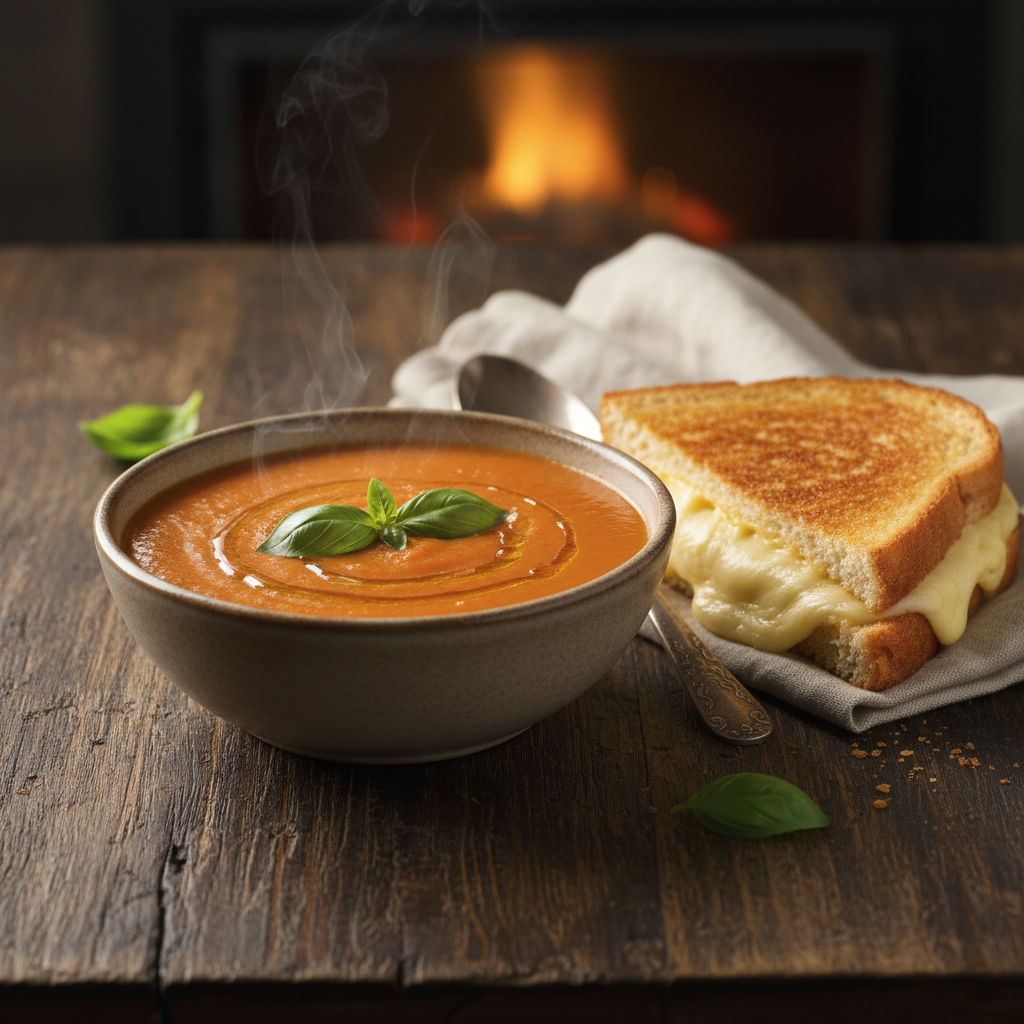
Roast tomatoes and onions, simmer with broth, blend, then add a little cream or butter. Keep it rustic if you like texture. If acid feels sharp, a small pinch of sugar can help, but don’t treat sugar as the default fix.
- Best tomato: Roma, mixed
- Serve with: grilled cheese, or just good bread
6) Pico de gallo for tacos, bowls, eggs
Dice tomato, onion, jalapeño, cilantro, lime, salt. Let it sit, then taste again. If it turns watery, drain and use the liquid in a marinade or salad dressing.
- Best tomato: firm slicers or Roma
- Safety note: if you’re sensitive to spicy foods, keep jalapeño seeds out, and consider asking a clinician for advice if you have GI issues
7) Pan-seared fish or chicken with quick tomato pan sauce
Sear protein, remove, sauté chopped tomato with garlic, deglaze with wine or broth, simmer briefly, then return protein to finish. This is one of those tomato dishes that feels “restaurant” without extra work.
- Best tomato: ripe slicers, cherry
- Flavor boost: capers, olives, or a knob of butter at the end
A practical planning table: which recipe fits your time and tomatoes
If decision fatigue is the problem, this table helps you pick a direction in under a minute.
| What you have | Your time | Best-fit dish | What to watch |
|---|---|---|---|
| Cherry/grape tomatoes | 15–20 min | Blistered tomato pasta | Don’t burn garlic, use pasta water |
| Roma/plum tomatoes | 30–45 min | Sheet-pan roasted tomatoes | Roast until edges darken for sweetness |
| Heirlooms | 10 min | Caprese or tomato toast | Salt correctly, keep it simple |
| Watery slicers | 15 min | Pico de gallo (with draining) | Salt-rest-drain to avoid sogginess |
| Mixed, very ripe | 40–60 min | Roasted tomato soup | Balance acid with fat, not just sugar |
Hands-on tips: store, prep, and rescue tomatoes that taste “meh”
Good tomato recipes start before you cook. A few small choices can make average tomatoes taste surprisingly decent.
Storage that usually keeps flavor intact
- Counter first: many tomatoes taste better at room temperature than refrigerated.
- Fridge only when very ripe: if they’re about to collapse, chilling can slow spoilage, then bring to room temp before eating.
According to USDA Food Safety and Inspection Service (FSIS)... keeping cut tomatoes refrigerated and using them within a short window is a safer habit, especially in warm kitchens.
Prep shortcuts that actually help
- Remove seeds for cleaner salsas: less water, better texture.
- Grate tomatoes for quick sauce: for firm tomatoes, grating creates an instant “crushed” texture.
- Use a microplane for garlic: it disperses faster, so you can use less without losing punch.
Rescue moves for bland tomatoes
- Roast them: heat concentrates sweetness and aroma.
- Add salt, then wait: give it 5–10 minutes, taste again.
- Pair with strong friends: olives, feta, anchovy, basil, chili, or toasted breadcrumbs add contrast.
Common mistakes that flatten flavor (and what to do instead)
- Using unripe tomatoes raw: if they’re pale and hard, cook them, don’t “force” a salad.
- Overcrowding the pan: tomatoes steam instead of blister, use a bigger pan or cook in batches.
- Under-seasoning: tomatoes need more salt than people expect, add a little, taste, repeat.
- Cooking basil too long: add it at the end, or it turns dull and bitter.
- Relying on sugar: if sauce tastes sharp, try butter or olive oil first, then consider a tiny pinch of sugar.
Key takeaways and a simple next step
The best tomato recipes usually come from matching the tomato type to the method, then using a couple of small technique wins: salt at the right time, concentrate with heat, and balance with fat. If you want an easy starting point, roast a tray of tomatoes once, then use them through the week on pasta, toast, bowls, and quick pan sauces.
If you’re staring at a counter full of tomatoes right now, pick one path: blister cherry tomatoes for pasta tonight, or roast the rest to “future-proof” meals tomorrow.
FAQ
What are the easiest tomato recipes for busy weeknights?
Blistered cherry tomato pasta, tomato toast, and quick pan sauces are hard to mess up because they rely on heat and salt rather than long simmer times.
How do I keep fresh tomato dishes from turning watery?
Salt chopped tomatoes briefly, then drain if needed. For salsa and bruschetta-style toppings, that 10–15 minute rest makes a bigger difference than extra ingredients.
Can I use refrigerated tomatoes for these dishes?
Yes, especially for cooked options like soup or roasted sauce. For raw salads, letting them come back to room temperature often improves flavor.
Which tomatoes are best for homemade tomato sauce?
Roma/plum tomatoes usually give thicker sauce with less cooking. If you only have slicers, roasting first can help concentrate them before simmering.
How do I fix tomato sauce that tastes too acidic?
Try adding a bit of fat first, like butter, olive oil, or a splash of cream. If it still feels sharp, a small pinch of sugar can help, but keep it subtle.
Are raw tomato recipes safe for everyone?
Most people tolerate them well, but some folks with reflux or certain GI conditions may feel discomfort. If that’s you, cooked tomato dishes might be easier, and checking with a clinician is sensible if symptoms persist.
What’s a smart way to use too many ripe tomatoes at once?
Roast them on a sheet pan, then refrigerate for a few days or freeze in portions. That roasted base becomes soup, pasta sauce, or a topper for proteins with almost no extra work.
If you’re trying to build a small rotation of tomato dishes that fit your schedule, it helps to pick two “anchors” like a roasted tomato tray and a quick pasta sauce, then mix in salads and toast when the tomatoes are at their peak.