
Seafood recipes can be genuinely quick, but only if you pick the right fish, use the right heat, and stop treating seafood like chicken that needs “extra time just in case.” If your shrimp turns rubbery or your salmon dries out, it’s usually a timing and temperature issue, not a “bad recipe” problem.
The payoff is worth it: seafood is one of the few weeknight proteins that can go from fridge to plate in 10–20 minutes, and it pairs well with pantry staples you already own. When you get the basics right, you’ll stop relying on heavy sauces to “save” the dish.
I’ll walk you through fast-cooking seafood choices, the small prep habits that shave off minutes, and a set of reliable flavor templates you can remix. You’ll also get a quick-reference table so you’re not guessing cook times.
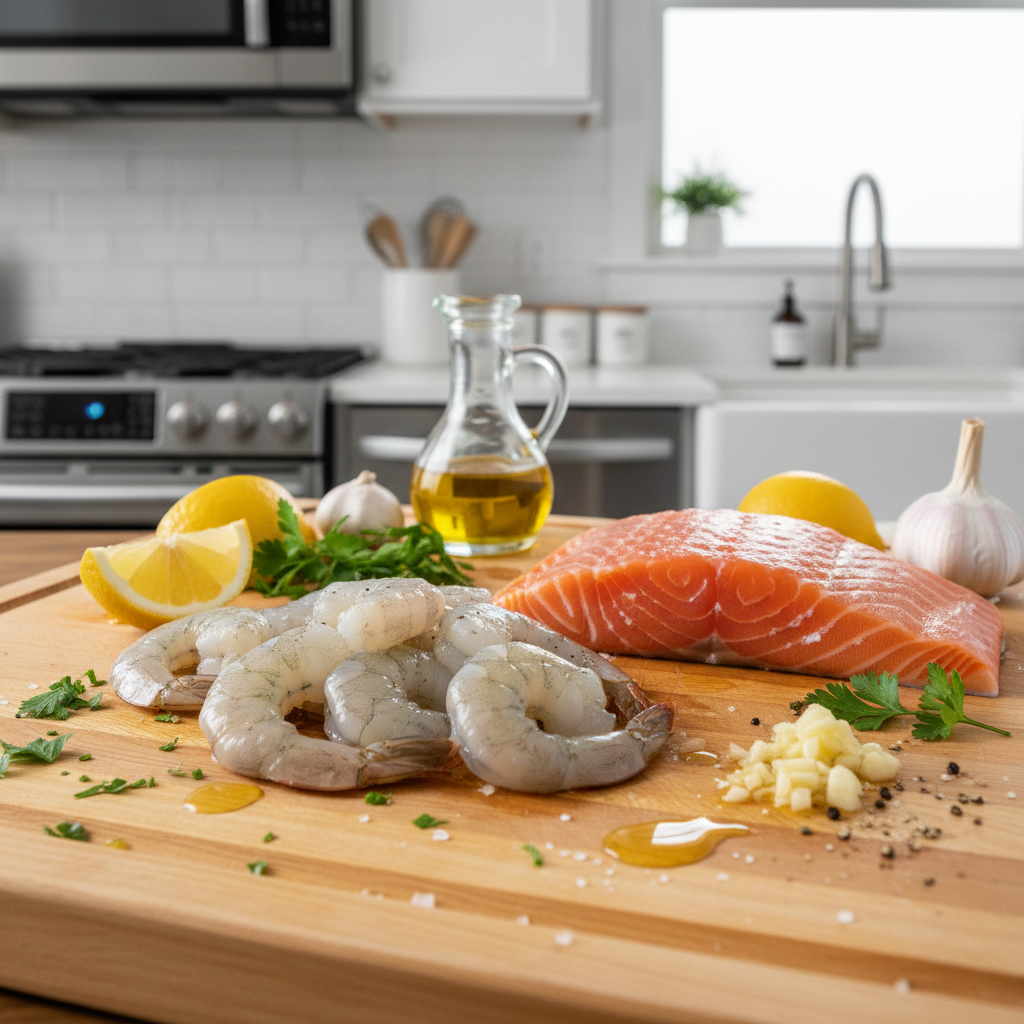
Why “quick seafood” often goes wrong
Most weeknight frustration comes from a few predictable issues. Fix these and many “hard” dishes become easy.
- Overcooking from caution: Seafood cooks fast, and carryover heat keeps cooking it after you turn the burner off.
- Wrong cut for the method: Thin fillets love high heat, thick fillets do better with a quick sear plus gentle finishing.
- Wet surface: Water on fish or scallops steams instead of browns, so you miss flavor and texture.
- Cold pan, crowded pan: You get simmering juices instead of a sear, which drags the timeline out.
According to the U.S. Food and Drug Administration (FDA), seafood should be handled safely and cooked to appropriate internal temperatures; if you’re unsure, using a thermometer removes the guesswork and helps prevent the “cook longer” spiral.
Pick seafood that actually cooks fast (and tastes good)
If speed is your priority, choose seafood that’s forgiving in a skillet and doesn’t require complicated prep.
Fastest options for weeknights
- Shrimp: Thaws quickly, cooks in minutes, and works with almost any flavor profile.
- Thin salmon portions: Great for hot pan + quick finish; skin helps protect the flesh.
- Cod, tilapia, sole: Mild white fish that takes seasoning well, best with quick sautéing or broiling.
- Scallops: Extremely fast, but you must dry them well to brown properly.
- Canned seafood (tuna, salmon, sardines): Not “fresh,” but unbeatable for 10-minute meals.
When buying fresh, trust your senses more than fancy labels: a clean, ocean-like smell, firm flesh, and no slimy surface are good signs. Frozen can be just as practical for seafood recipes, especially if you cook it the same day you thaw it.
Quick cook-time table (so you stop guessing)
Use this as a starting point, then adjust for thickness and your stove. In real kitchens, pans and burners vary, so treat times as ranges.
| Seafood | Best quick method | Typical time | Doneness cue |
|---|---|---|---|
| Shrimp (medium/large) | Sauté | 3–6 min | Pink, opaque, curled “C” shape |
| Salmon (1-inch thick) | Pan-sear + cover | 8–12 min | Flakes easily, still moist in center |
| Cod/white fish (3/4-inch) | Sauté or broil | 6–10 min | Opaque and flakes; no translucent core |
| Scallops (sea scallops) | Hard sear | 3–5 min | Deep golden crust, slightly translucent center |
| Clams/mussels | Steam | 5–10 min | Shells open (discard unopened) |
If you want extra certainty, check internal temperature with a thermometer. According to the USDA, many cooks use 145°F as a common target for fish; personal preference and specific species can vary, so when in doubt, consider professional guidance.
A 5-minute prep routine that makes seafood easier
These steps feel small, but they prevent most mid-cook panic.
- Dry the surface with paper towels, especially for scallops and skin-on fish.
- Season early, cook soon: Salt is good, but don’t let delicate fish sit too long or it can weep moisture.
- Pre-mix your “finisher”: lemon + herbs, or butter + garlic, or soy + honey. Add at the end.
- Heat the pan first: you want a confident sizzle within 1–2 seconds.
- Don’t crowd: cook in batches if needed, it’s still faster than steaming everything.
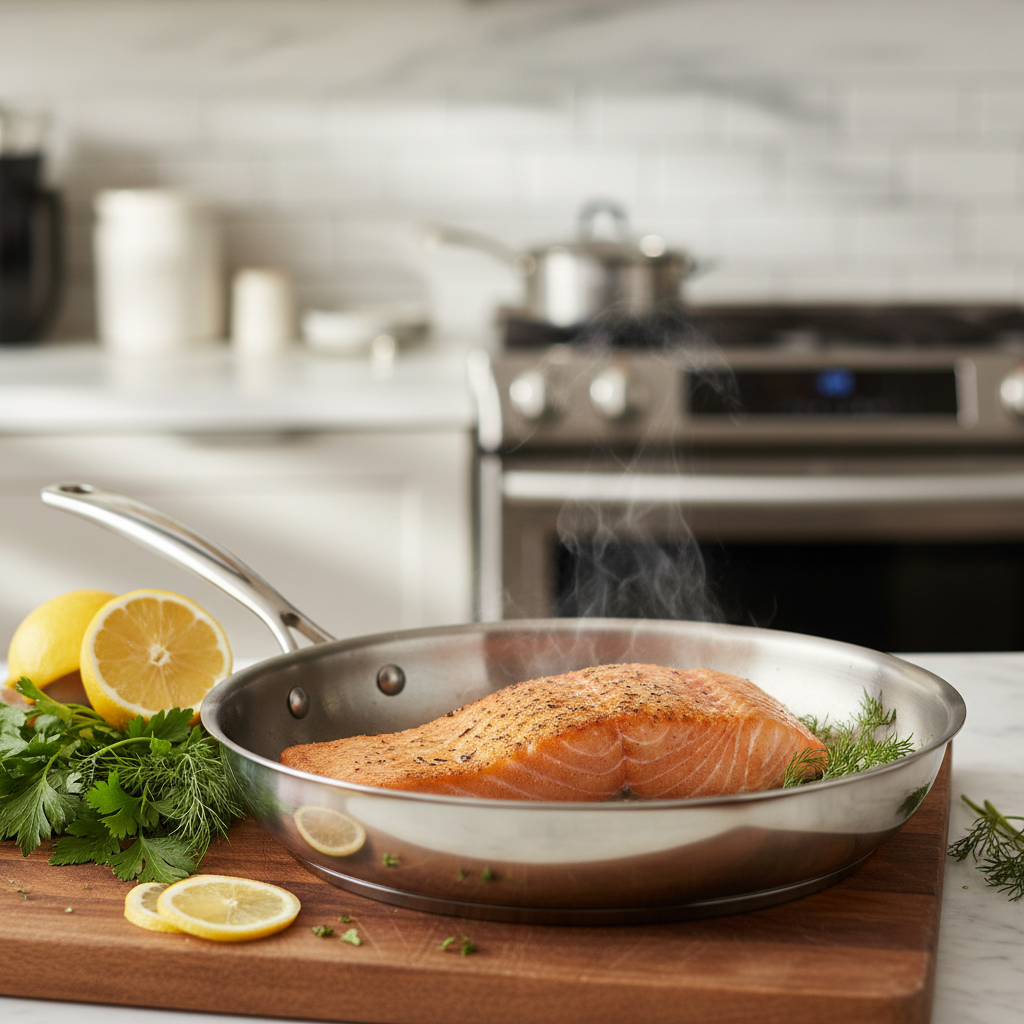
3 fast “flavor templates” you can reuse all year
This is where seafood recipes become repeatable. Instead of chasing a new recipe every night, rotate these templates and swap the protein.
1) Lemon-garlic butter (bright, classic)
- Cook seafood in olive oil
- Lower heat, add butter + minced garlic for 30–60 seconds
- Finish with lemon juice + parsley
Works best with shrimp, scallops, white fish, and even quick pasta.
2) Sheet-pan “spice + citrus” (minimal cleanup)
- Toss fish with olive oil, paprika (or Cajun), salt, pepper
- Add sliced lemons and quick-cooking veggies (asparagus, thin green beans)
- Broil or roast hot until fish flakes
Good for salmon and cod when you want hands-off cooking.
3) Ginger-soy glaze (weeknight takeout energy)
- Mix soy sauce, grated ginger, a little honey or brown sugar, splash of rice vinegar
- Sear seafood, then pour glaze in the last minute to reduce
- Finish with scallions and sesame seeds if you have them
This one shines with shrimp and salmon, especially over microwave rice or quick noodles.
Quick recipes: 15–20 minute dinners (step-by-step)
These are the “no drama” options. Keep the heat fairly high, stay near the stove, and plan your sides to be equally fast.
Skillet shrimp with lemon-garlic and spinach
- Pat shrimp dry, season with salt and pepper.
- Sauté in hot oil 1–2 minutes per side.
- Add garlic + butter briefly, then toss in spinach to wilt.
- Finish with lemon, serve with crusty bread or couscous.
Broiled salmon with mustard-maple glaze
- Mix Dijon mustard + maple syrup + pinch of salt.
- Broil salmon on a lined tray, glaze on top during the last few minutes.
- Stop when it flakes easily and still looks juicy in the center.
If your broiler runs aggressive, move the rack down a level, many kitchens need that adjustment.
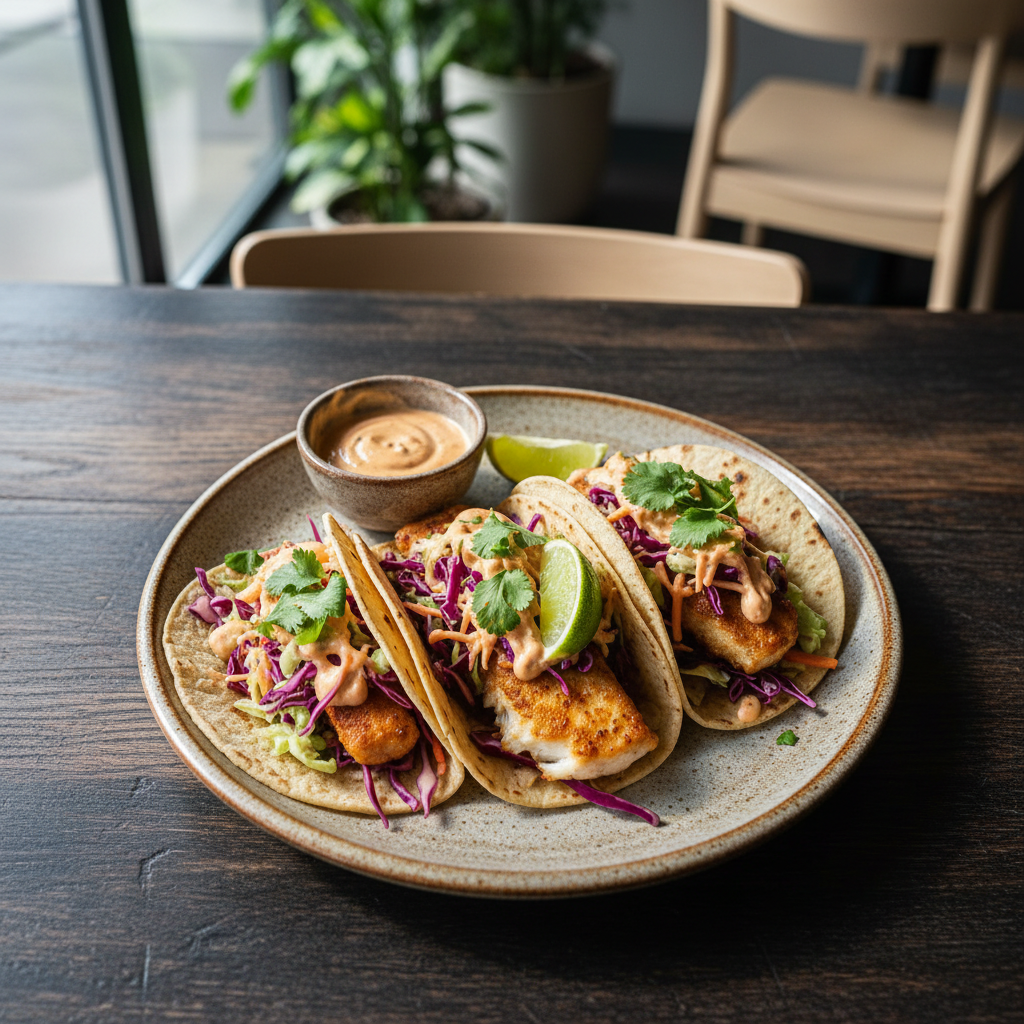
Fast cod tacos with cabbage-lime crunch
- Season cod with chili powder, cumin, salt; quick-sauté or broil.
- Toss shredded cabbage with lime juice, salt, and a little mayo or yogurt.
- Warm tortillas, build tacos, add hot sauce.
Common mistakes (and what to do instead)
- “I’ll just cook it longer”: Try pulling it slightly earlier and letting it rest 2 minutes, carryover heat often finishes the job.
- Using high heat with sugary sauces: Honey and maple burn fast; add glazes near the end.
- Skipping the dry step: If you want browning, dry seafood and don’t overcrowd the pan.
- Thawing on the counter: Safer thawing methods reduce risk; according to the FDA, thawing in the refrigerator or under cold running water is commonly recommended.
If you’re cooking for someone who is pregnant, immunocompromised, or has a serious food allergy, it’s smart to be extra conservative with handling and doneness, and to consult a qualified health professional when you have questions.
Key takeaways for faster, better seafood
- Pick the right seafood: shrimp, thin fillets, scallops, and shellfish are naturally fast.
- Dry + hot pan beats “low and slow” for most quick sears.
- Use a flavor finisher (lemon, herbs, butter, quick glaze) to make simple dishes taste complete.
- Stop overcooking: most weeknight failures come from staying on heat too long.
Conclusion: make seafood a weeknight habit
Good seafood recipes don’t need a long ingredient list, they need tight timing and a couple of repeatable patterns you trust. Start with one template and one protein this week, get comfortable, then branch out.
If you want a simple next step, pick shrimp or salmon, choose one sauce finish from above, and cook it twice in the next 7 days. Repetition is what makes “quick” feel truly easy.
FAQ
What are the easiest seafood recipes for beginners?
Shrimp sauté and broiled salmon are usually the most forgiving. You can see doneness cues quickly, and the cook time is short enough that you can stay engaged without feeling overwhelmed.
How do I keep shrimp from turning rubbery?
High heat, short time, and pulling it as soon as it turns opaque help a lot. If you keep cooking until it’s tightly curled, it often ends up chewy.
Is frozen seafood okay for quick cooking?
Yes, in many cases it’s a practical choice. Thaw safely, dry it well, then cook as you would fresh, the main difference is managing extra moisture.
What’s the fastest side dish to pair with seafood?
Microwave rice, couscous, or a quick salad work well. The goal is matching timelines so the seafood doesn’t sit around cooling off.
How can I tell when fish is done without a thermometer?
Look for opacity and easy flaking with a fork, with a center that still looks moist. Thicker pieces can be tricky, so a thermometer is a nice tool when you’re learning.
What’s a good pantry sauce for weeknight fish?
Dijon + maple, soy + ginger, or a simple lemon-butter finish cover a lot of ground. They’re fast, and they don’t hide the seafood’s flavor.
How do I avoid fish sticking to the pan?
Preheat the pan, add enough oil, and don’t try to flip too early. Many fillets release naturally once a sear forms, if you force it, it tears.
If you’re building a weeknight rotation and want it to stay easy, keep a short list of “go-to” seafood, a couple of finish sauces, and one reliable cooking method you can repeat without thinking too hard.