
Fish recipes can be both healthy and seriously satisfying, but the results depend less on the fish and more on the method, the coating, and the oil habits that sneak in without you noticing.
If you’ve ever baked fish and ended up with something dry, or fried fish and felt like you just ate a sponge, you’re not alone. The good news is you don’t need complicated chef tricks, you need a few reliable patterns that work across salmon, cod, tilapia, trout, and even shrimp.
Below you’ll get practical baked and lighter-fried options, a quick decision checklist, and a few “don’t bother” mistakes that waste good fish. I’ll also flag food-safety and nutrition points where it makes sense to be cautious.
What “healthy” really means for baked vs. fried fish
Most people define healthy fish as “not fried.” That’s a decent starting point, but real life is messier. A baked fillet can still get heavy if it’s swimming in butter, and a fried piece can be relatively reasonable if the coating is thin, the oil is hot, and portions stay sane.
- Baked fish tends to win for weeknights: less oil absorption, easier cleanup, consistent results once you learn timing.
- Fried fish wins on crunch and comfort, but the health impact usually comes from coating thickness, oil temperature, and how often you eat it.
- Air-frying sits in the middle: you still get crunch, but typically with less oil than deep frying.
According to the U.S. Food & Drug Administration (FDA), choosing fish lower in mercury is especially important for people who are pregnant or may become pregnant, breastfeeding, and young children, so “healthy” can also mean picking the right species for your household.
Quick self-check: which approach fits tonight?
If you’re deciding between baked and fried, this quick filter saves time and reduces regret.
- You want low effort: bake on a sheet pan or foil packet.
- You want crispy: shallow-fry, air-fry, or oven “crisp” with panko and a light oil spray.
- You only have delicate fish (tilapia, sole): bake gently or do a very thin dredge and quick pan-fry.
- You have thick, fatty fish (salmon): bake/hot roast works well, and it’s harder to dry out.
- You’re watching sodium: lean on citrus, herbs, garlic, and spice blends; go easy on seasoned bread crumbs.
- You’re cooking for kids: mild fish + small crunchy bites often land better than big fillets.
Baked fish recipes: three reliable patterns (with swaps)
These aren’t “one perfect recipe,” they’re templates you can repeat. For fish recipes that bake well, aim for even thickness and don’t overcook, dryness is usually just timing.
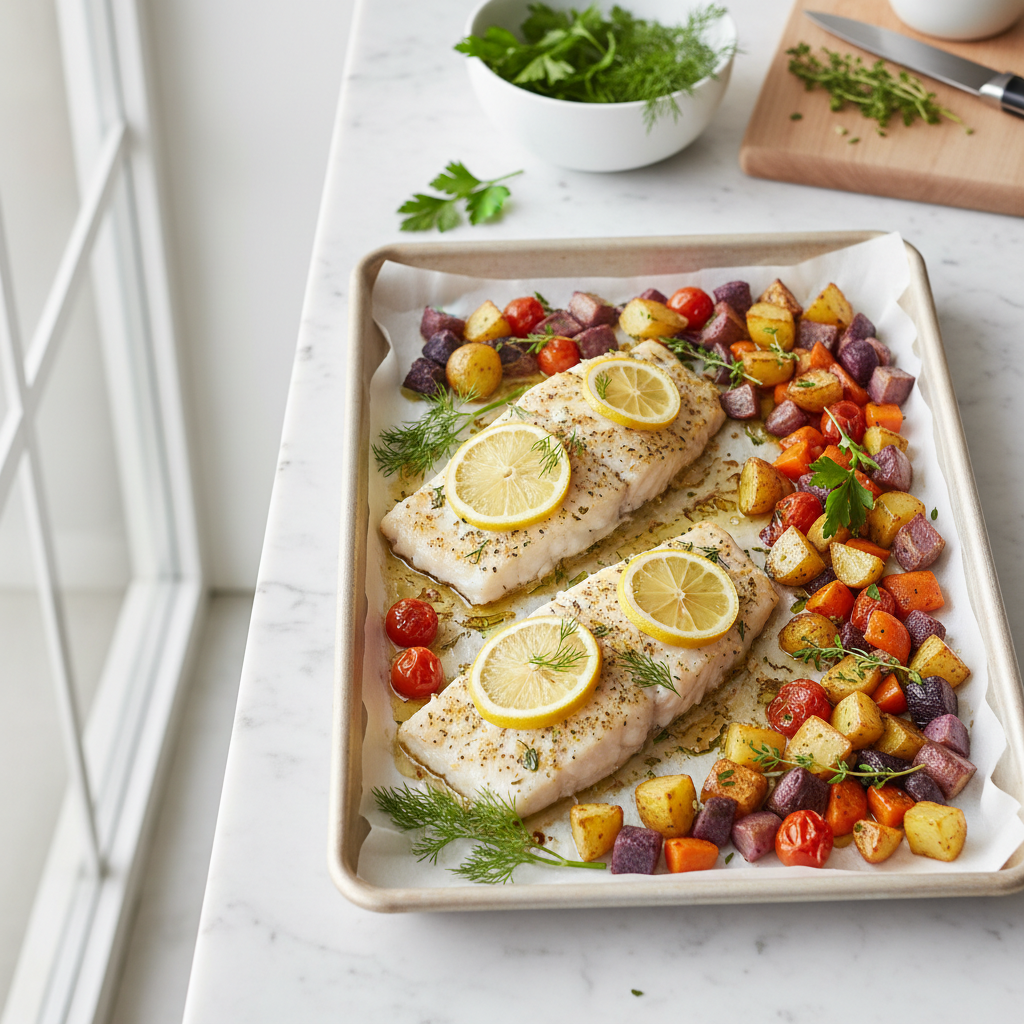
1) Lemon-herb sheet pan fish (fast and forgiving)
- Best for: cod, haddock, pollock, halibut, salmon
- Flavor base: olive oil, lemon zest + juice, garlic, parsley or dill, black pepper
- How to do it: season fish, add quick-cooking veggies (asparagus, green beans, cherry tomatoes), bake until the thickest part flakes easily.
Editor’s tip: If you keep drying out white fish, brush the top with a thin layer of Greek yogurt + lemon + herbs before baking, it protects the surface and turns into a tangy sauce.
2) Foil packet “steam-roast” fish (moisture insurance)
- Best for: tilapia, trout, cod, snapper
- What goes in: fish + sliced onion + lemon + a drizzle of olive oil, add capers or olives if you like punchy flavors
- Why it works: the trapped steam reduces the chance of overcooking, especially with thin fillets.
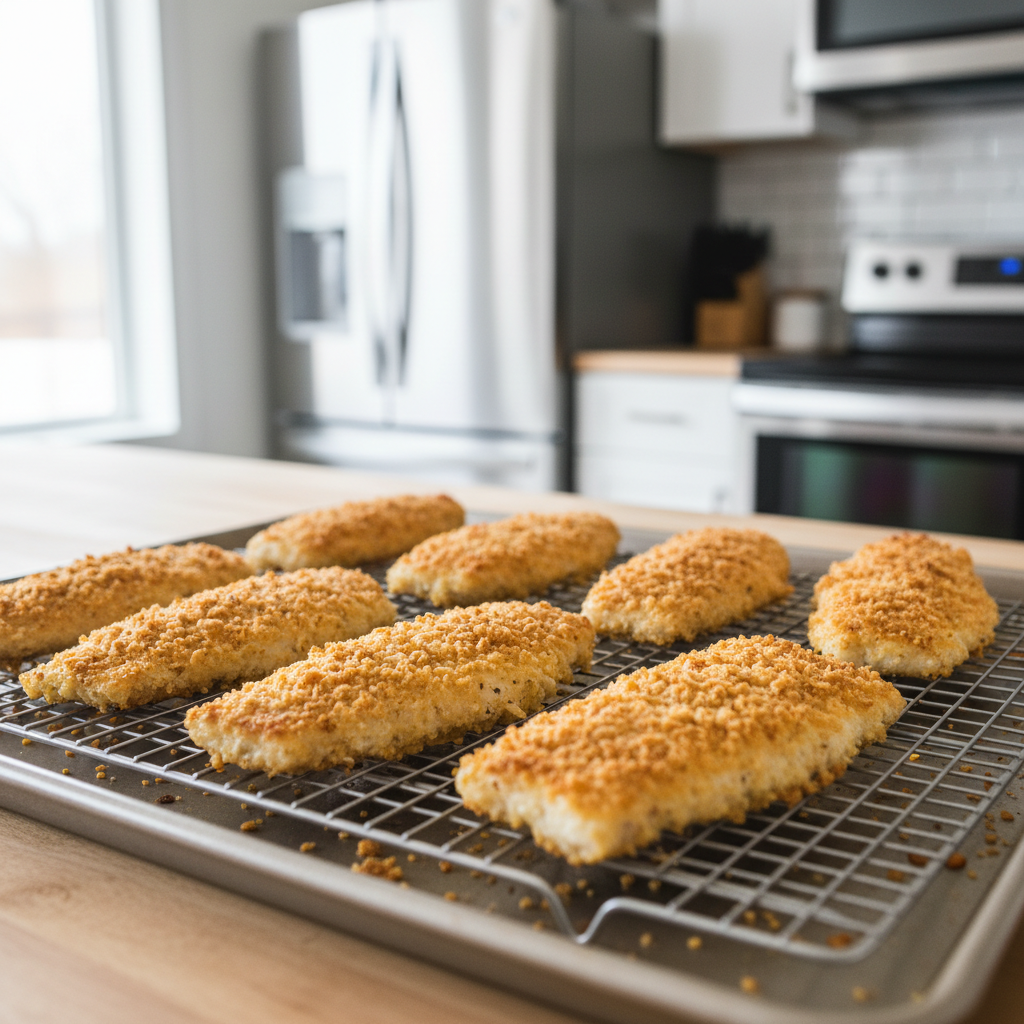
3) Crispy-ish baked panko fish (crunch without deep frying)
- Best for: cod, tilapia, catfish
- Coating: panko + paprika + garlic powder + a pinch of salt, lightly mist with oil
- Key move: use a wire rack on the sheet pan so hot air hits the bottom too.
According to the USDA Food Safety and Inspection Service (FSIS), seafood should be cooked to an internal temperature of 145°F and should look opaque and separate easily with a fork. If you’re unsure, a thermometer beats guessing.
“Healthier fried” fish recipes: keep the crunch, cut the heaviness
Frying doesn’t have to mean deep-frying every time. If you like classic fried fish, the biggest upgrades are oil temperature control, thinner coating, and draining properly.
Option A: Thin cornmeal dredge + shallow fry
- Best for: catfish, tilapia, cod
- How: pat dry, season, quick dip in beaten egg (or buttermilk), then a thin cornmeal dredge.
- Pan setup: shallow oil layer, medium-high heat, don’t crowd.
Practical cue: If the coating turns dark before the fish cooks through, your heat runs too high. If it soaks oil and feels limp, your heat runs too low or the fish was too wet.
Option B: Air-fried “fried fish”
- Best for: breaded fillets, fish sticks, bite-size pieces
- How: use panko or crushed whole-grain cereal, spray lightly with oil, cook in a single layer.
- What to expect: not identical to deep fry, but close enough for many weeknights.
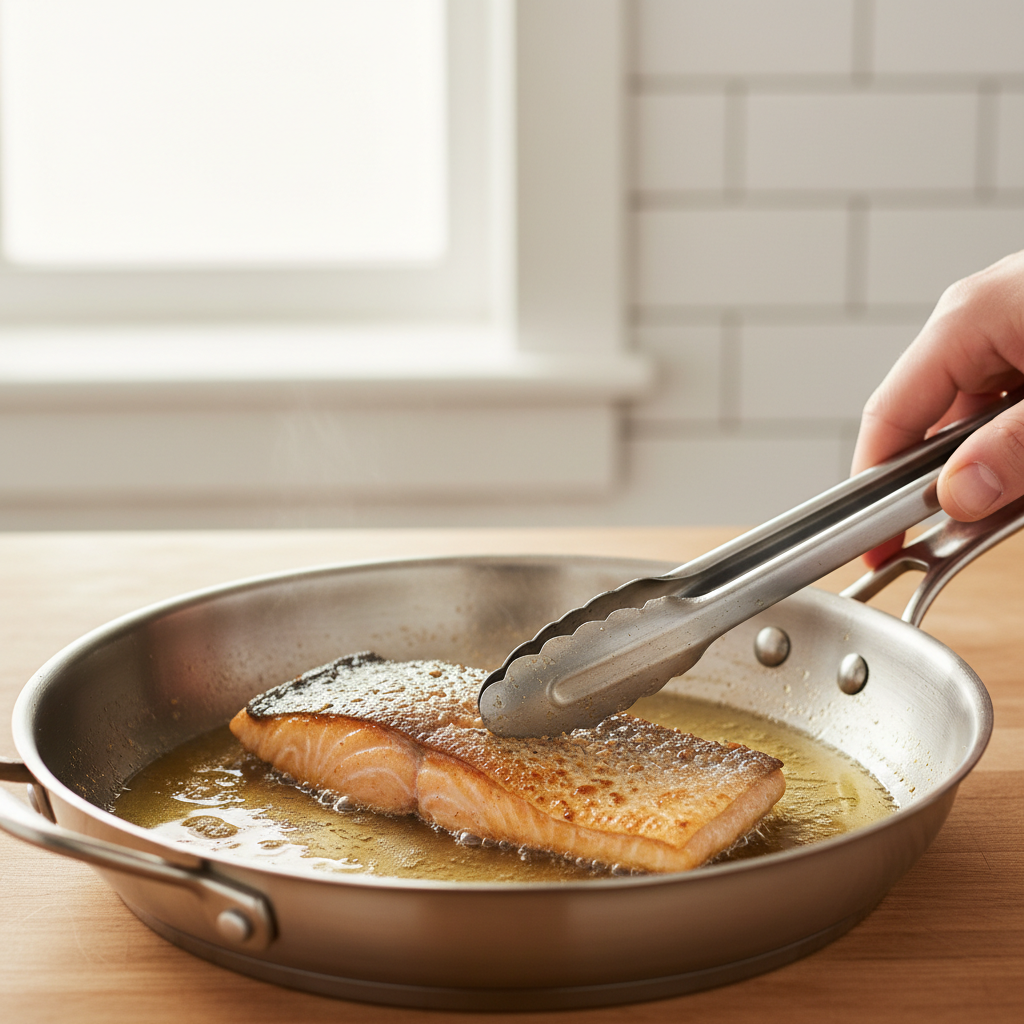
Option C: Pan-seared fish (not fried, still satisfying)
- Best for: salmon, tuna, mahi-mahi
- How: small amount of oil, hot pan, skin-side down for salmon, finish with lemon and herbs.
This is the “I want restaurant vibes without breading” move, and it often feels lighter than traditional fried versions while still hitting that browned flavor.
Ingredient swaps that keep fish recipes lighter (without tasting “diet”)
Most “healthy upgrades” fail because they strip flavor. These swaps keep the payoff.
- Swap heavy sauces for bright finishes: lemon, lime, vinegar, salsa verde, or quick tomato relish.
- Use yogurt strategically: Greek yogurt + Dijon + herbs makes a creamy sauce that usually feels lighter than mayo.
- Choose smarter crunch: panko, crushed nuts (thin layer), or toasted breadcrumbs rather than thick batter.
- Boost flavor with spice blends: Cajun-style blends, smoked paprika, chili-lime, or everything bagel seasoning, just watch salt levels.
- Pairing matters: roasted veggies, slaw, or beans often balance richness better than fries every time.
Time & method guide (use this when you’re tired)
If you cook fish often, you eventually stop following strict recipes and start using a simple method chart. This one stays realistic for home kitchens, but thickness and oven accuracy still vary.
| Method | Best fish types | Typical cook time | Health & texture note |
|---|---|---|---|
| Bake (sheet pan) | Cod, salmon, haddock | 10–15 min (depending on thickness) | Easy, low-mess, can dry out if overcooked |
| Foil packet | Tilapia, trout, snapper | 12–18 min | Moist, gentle, less browning |
| Air-fry | Breaded fillets, bites | 8–12 min | Crunchy with less oil than deep frying |
| Shallow fry | Catfish, cod, tilapia | 3–5 min per side | Great crust, oil control matters a lot |
| Pan-sear | Salmon, tuna, mahi-mahi | 3–6 min per side | Bold flavor, minimal coating |
Common mistakes (and what to do instead)
- Cooking straight from a wet surface: pat fish dry, especially before searing or dredging, water ruins browning.
- Overbaking “just to be safe”: use 145°F as a guide, then rest a minute, carryover heat still cooks.
- Using a thick batter at home: it’s harder to manage oil temp and it often turns greasy; go thinner.
- Crowding the pan or air fryer: steam is the enemy of crunch, cook in batches.
- Skipping acid: lemon or vinegar at the end makes seafood taste fresher even when the recipe stays simple.
And one more that sounds small but isn’t: if you hate “fishy” flavor, freshness and storage usually matter more than any seasoning. Keep fish cold, cook it within the recommended time window from purchase, and don’t let it sit in the fridge uncovered.
When to be cautious (health and safety notes)
If you’re cooking for someone with a medical condition, allergies, or pregnancy-related dietary needs, it’s worth being conservative. According to the FDA, mercury guidance varies by species, and some groups may need to choose lower-mercury options more consistently.
- Allergies: fish and shellfish allergies can be serious, cross-contact in shared fry oil is a real risk.
- Heart or kidney concerns: sodium and saturated fat may matter more, a clinician can give individualized targets.
- Food safety: if fish smells strongly sour/ammonia-like or feels slimy, don’t try to “season past it.”
Key takeaways for better weeknight fish
- Baked works best when you protect moisture and stop cooking on time.
- Fried can be lighter when coating stays thin, oil stays hot, and you drain properly.
- Templates beat complicated recipes: lemon-herb, foil packet, and crunchy panko cover most needs.
- Use a thermometer if you’re unsure, it reduces both overcooking and food-safety anxiety.
Conclusion: pick one method and repeat it until it feels easy
Healthy eating with fish doesn’t require perfect discipline, it requires a couple dependable fish recipes you actually enjoy, plus one “crunch option” for nights when baked just won’t do it. Pick one baked pattern and one lighter-fried pattern from this guide, buy the fish that fits your budget, and repeat until you stop thinking about it.
If you want a simple next step, put lemon, panko, and a spice blend on your grocery list, those three items quietly unlock a lot of variety without extra effort.
FAQ
What are the healthiest fish recipes for weight loss?
Usually, baked or air-fried options with light oil and plenty of vegetables work well. The bigger lever is often portion size and sauces, creamy add-ons can outweigh the cooking method.
How do I keep baked fish from drying out?
Use a thermometer when possible, and choose a moisture-friendly method like foil packets for thin fillets. Also, don’t skip surface protection, a light brush of oil or yogurt-based topping helps.
Is air-fried fish actually healthy?
It can be, especially if it replaces deep frying and you keep breading thin. Healthiness still depends on what you coat it with and how often it shows up in your weekly routine.
What fish works best for crispy coatings?
Firm white fish like cod, pollock, and catfish usually hold up well. Very delicate fish can work too, but it tears more easily and needs gentler handling.
What oil is better for frying fish at home?
Many home cooks use neutral oils with higher smoke points, like canola or peanut oil, for steadier frying. If you have dietary concerns, it may help to discuss oil choices with a nutrition professional.
How can I reduce mercury exposure but still eat fish?
Rotate species and lean toward options that are commonly considered lower in mercury. For personalized guidance, especially during pregnancy, follow FDA advice and consult a qualified clinician.
Can I meal prep fish recipes for the week?
You can, but fish texture changes faster than chicken or beef. Many people prefer prepping marinades and coatings ahead, then cooking fish closer to serving for better texture.
Why does my fried fish turn soggy?
Usually it’s moisture and crowding: fish wasn’t patted dry, oil wasn’t hot enough, or too many pieces went in at once. Draining on a rack (not paper towels alone) also helps preserve crunch.