
Sweet bread recipes can feel deceptively simple, yet a lot of home bakers end up with loaves that taste fine but bake up tight, dry, or oddly bready instead of pillowy and tender. The good news is you usually don’t need a new mixer or fancy flour, you need a few repeatable checks and a couple of small technique tweaks.
Soft sweet breads sit in a narrow “sweet spot”, enough sugar and fat to make the crumb tender, but not so much that the yeast struggles or the dough turns greasy and hard to shape. Once you learn what the dough should look and feel like, most recipes start behaving.
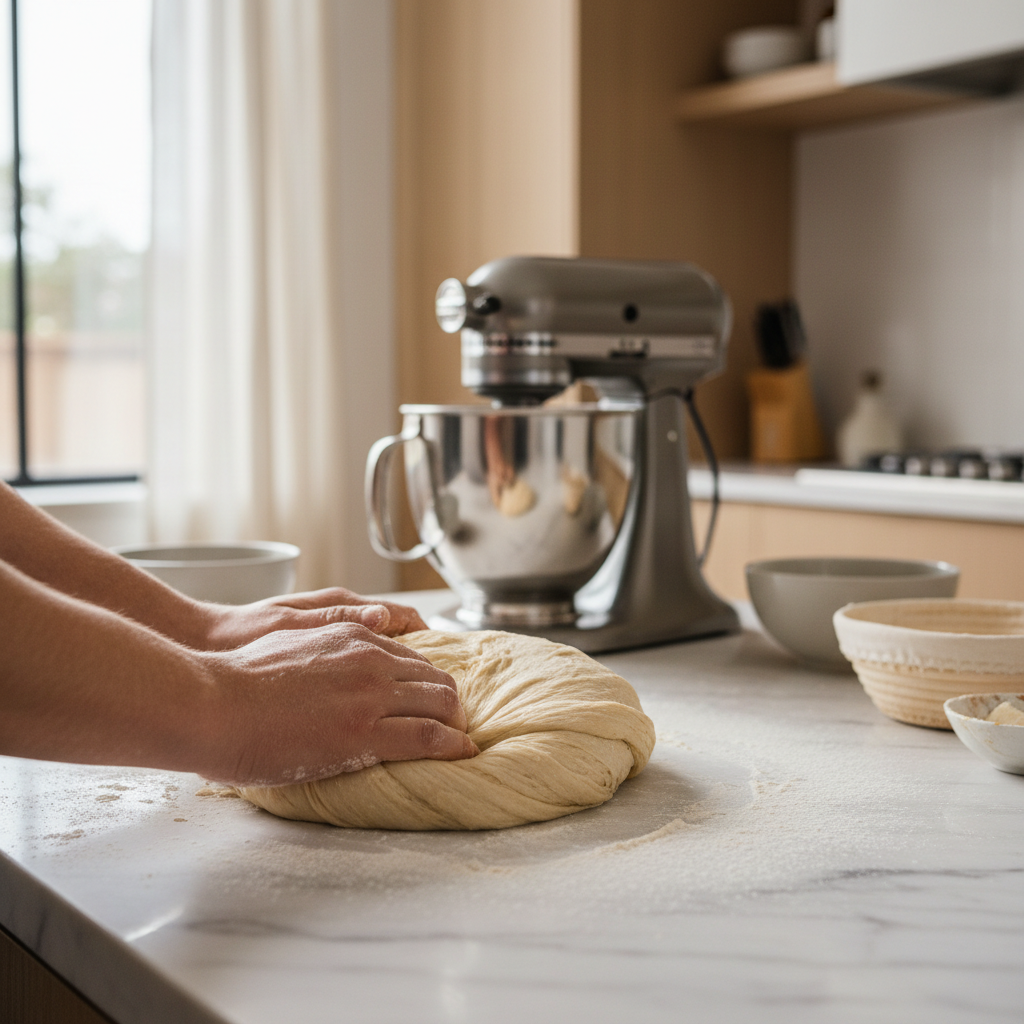
This guide breaks down why sweet dough behaves differently, a quick self-check so you can diagnose what went wrong, and a few reliable soft sweet bread options you can rotate through: rolls, braided loaves, cinnamon swirls, and enriched sandwich bread.
Why sweet breads sometimes bake up dense (and how to fix the cause)
When a sweet loaf turns out heavy, the usual culprit isn’t “bad yeast”, it’s a mismatch between enrichment, fermentation, and gluten strength. A few common real-world scenarios:
- Too much flour during mixing: Sweet dough starts sticky, many people keep adding flour until it looks “normal”, then the baked crumb turns dry. Better: aim for slightly tacky dough that clears the bowl but still clings a bit.
- Sugar slows fermentation: Higher sugar pulls water away from yeast. If you proof by the clock, the dough may be under-proofed. Better: proof by volume and feel, not minutes.
- Cold butter and short mixing: Butter needs time to emulsify into the dough. If it stays in streaks, gluten can’t build evenly. Better: add softened butter gradually, mix until the dough passes a basic windowpane.
- Overheating milk: Very hot liquid can damage yeast. According to the USDA, food safety guidance often references “hot” liquids at temperatures that can scald; for yeast baking, many recipes work best with warm liquids that feel comfortably warm, not hot.
- Underbaking (common with dark pans): Sweet dough browns fast due to sugar, so the crust can look done before the center sets. Better: check internal doneness.
One small mindset shift helps: enriched dough is supposed to be a bit elastic and glossy. If it feels stiff early on, it’s often already headed toward “tight crumb”.
A quick diagnostic checklist before you change recipes
Before you toss your favorite formula, run this fast self-test. It usually points to the real fix in minutes.
- Dough feel after mixing: slightly tacky and smooth, or dry and dusty?
- Gluten development: can you stretch a thin “window” without immediate tearing?
- First rise: did it truly double, or just puff a little?
- Shaping: did it fight you and snap back, or shape easily?
- Second rise: does the dough spring back slowly when gently poked, or bounce back fast?
- Bake check: did you use an internal temperature check, or only crust color?
If you’re only going to adopt one habit, make it this: use a thermometer for both liquid temperature and finished bread. It removes a lot of guesswork.
Core techniques for soft, fluffy sweet bread (without overcomplicating)
Most soft results come from getting four things “close enough”: hydration, gluten, fermentation, and bake. Here are the practical moves that tend to matter most in home kitchens.
1) Use the right flour and measure it consistently
- All-purpose flour works for many sweet bread recipes, bread flour can help if you want a taller, more structured loaf.
- If you can, weigh flour. If you can’t, spoon into the cup and level, don’t scoop straight from the bag.
2) Keep enrichment balanced
- Sugar adds tenderness and sweetness, but too much can slow rise.
- Fat (butter, oil, egg yolks) softens crumb, but it needs enough mixing to integrate.
- Eggs add richness and color; if your dough feels tight, adding a splash of milk (not flour) often helps more.
3) Proof by cues, not just time
Many home kitchens run cool, so “one hour” can easily become two. Look for volume increase and a dough surface that looks airy and alive, not merely “less dense”.
4) Bake to doneness, then cool with patience
- For many enriched loaves, an internal temperature in the 190–200°F range often indicates the center finished baking, though recipes vary by size and shape.
- Cool at least 30–60 minutes before slicing, cutting too early can compress the crumb and make it seem gummy.
Pick your style: 4 reliable sweet bread recipes (with variations)
Instead of throwing ten formulas at you, here are four “workhorse” formats that cover most cravings. Each one shares a similar enriched dough base, so your skills transfer.
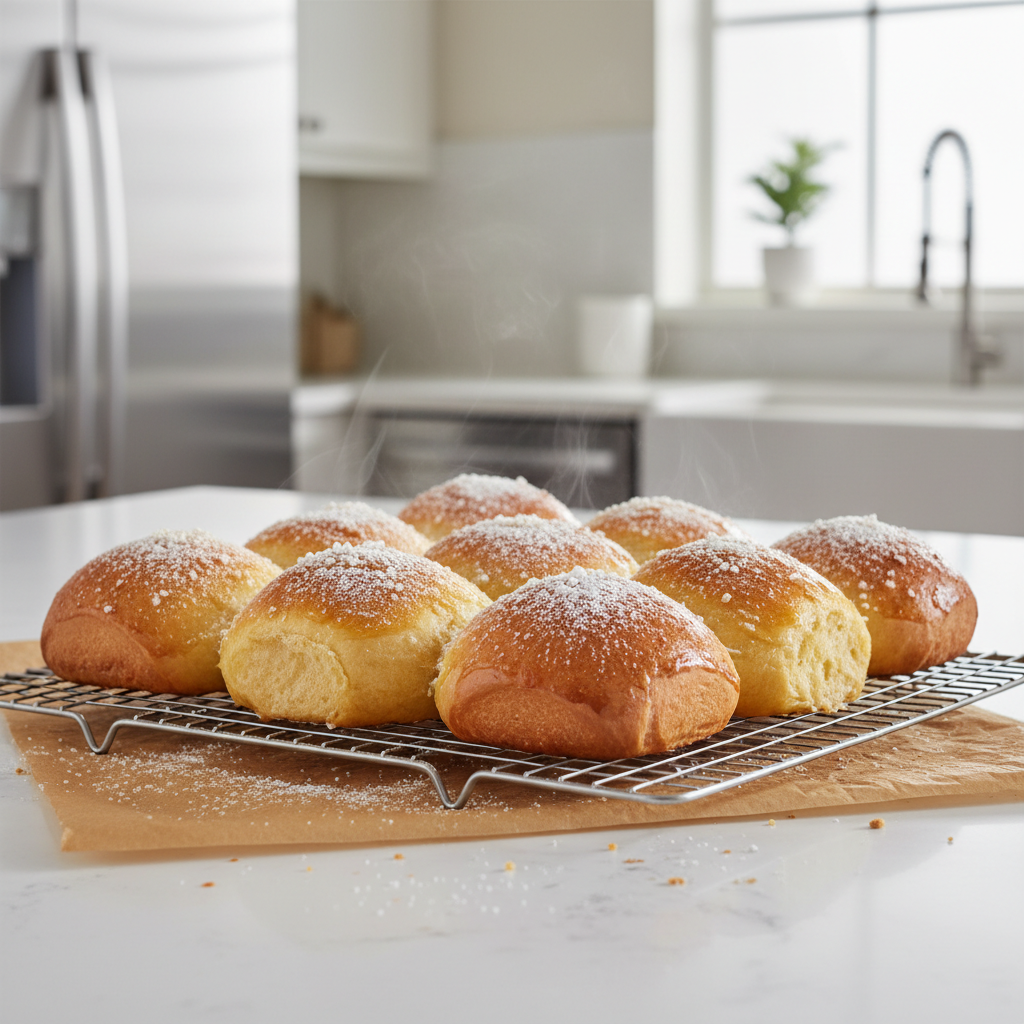
1) Soft dinner rolls (beginner-friendly)
Best for: holidays, sliders, make-ahead baking.
- Use milk + butter + egg for tenderness.
- Shape into tight balls, leave enough space to expand.
- Brush with butter after baking for a softer crust.
Easy variations: honey butter rolls, orange zest rolls, coconut milk rolls.
2) Braided sweet bread (showy but not hard)
Best for: brunch tables, gifting.
- Chill the dough 20–40 minutes if it feels overly slack, braiding becomes cleaner.
- Egg wash gives shine; a pinch of salt in the wash helps flavor.
Easy variations: raisin braid, lemon glaze braid, sesame-topped loaf.
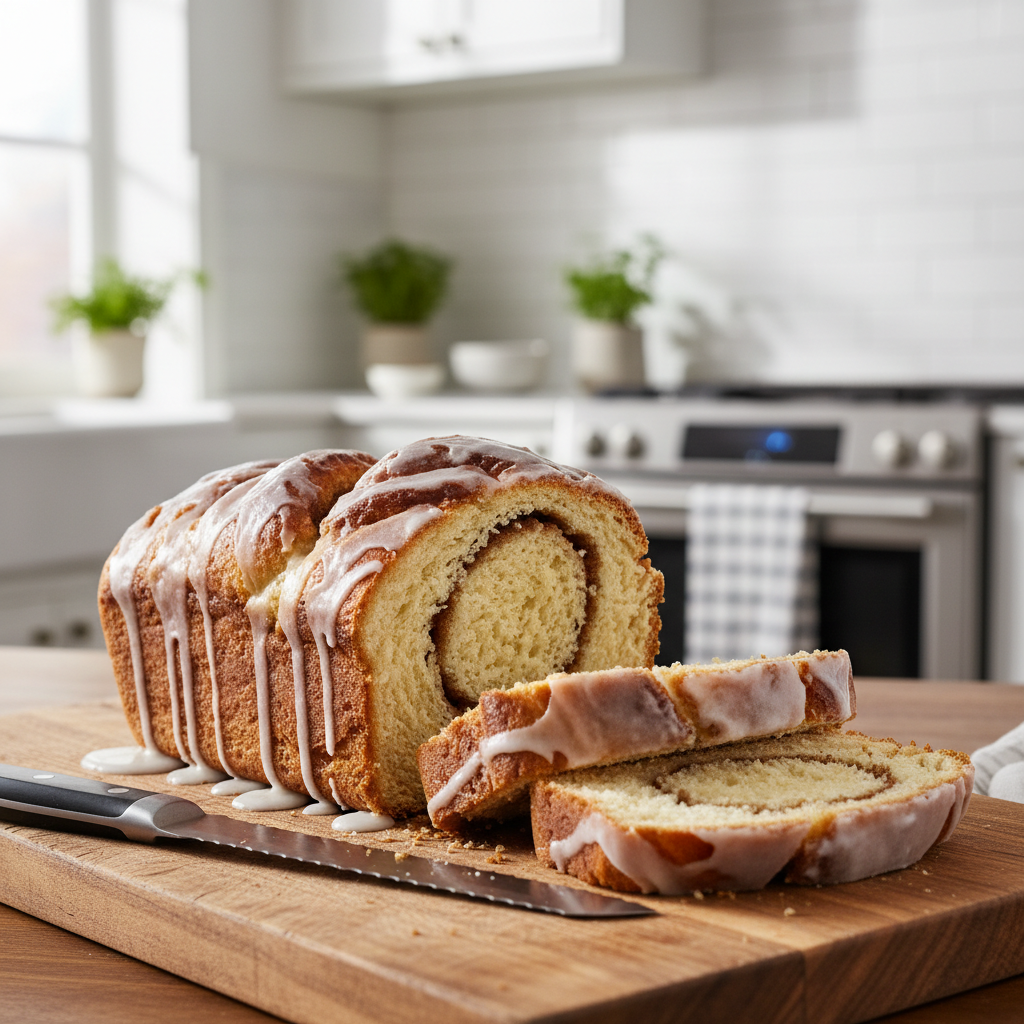
3) Cinnamon swirl loaf (the “looks fancy” option)
Best for: toast, French toast, snack slices.
- Keep filling from leaking by leaving a clean border at the edges.
- Roll tighter than you think, loose rolling creates gaps in the swirl.
Easy variations: cocoa swirl, chai spice swirl, maple glaze.
4) Soft sweet sandwich bread (everyday staple)
Best for: kid-friendly lunches, PB&J, morning toast.
- Use a pullman or standard loaf pan, don’t overfill.
- For a softer bite, consider tangzhong or yudane (a cooked flour paste) if you like that style, it helps retain moisture.
Easy variations: milk bread style, condensed milk loaf, light vanilla loaf.
Time + temperature cheat sheet (table)
Exact numbers vary by kitchen and dough richness, but these ranges help you plan and sanity-check what you see.
| Stage | What you’re looking for | Typical range |
|---|---|---|
| Mixing | Smooth, elastic, slightly tacky; passes a basic stretch test | 8–15 minutes (mixer varies) |
| First rise | About doubled; dough looks airy, not tight | 60–120 minutes |
| Bench rest | Dough relaxes so shaping is easier | 10–20 minutes |
| Second rise | Noticeably puffy; slow spring-back on a gentle poke | 45–90 minutes |
| Bake | Deep golden brown; center fully set | 20–40 minutes |
Practical troubleshooting: fix the loaf you keep getting
This is the section most people wish they had before attempt #3. Match your symptom to a likely cause and a realistic adjustment.
- Dense, tight crumb: likely under-proofed or too much flour. Next time, hold back flour and proof until truly doubled.
- Dry slices by day two: likely overbaked or stored loosely. Bake to internal doneness, then cool and bag once barely warm.
- Collapsed top: often over-proofed or too much liquid. Shorten second rise slightly, or strengthen dough with a bit more mixing.
- Gummy line at the bottom: can be underbaked or sliced too soon. Confirm internal temp, cool longer.
- Crust too dark before center finishes: tent with foil mid-bake, consider a lighter pan.
Safety and ingredient notes (especially for eggs and dairy)
Sweet dough often uses eggs and milk, so a few basics matter. According to the USDA, perishable foods like dairy and eggs should be handled with care to reduce foodborne illness risk. In practice for home baking, that usually means using fresh ingredients, refrigerating perishables promptly, and not leaving enriched dough at warm room temperature for excessively long periods.
If you’re adapting sweet bread recipes for allergies, pregnancy, or medical diets, it’s worth checking with a qualified professional, because swaps like alternative milks, sugar substitutes, or gluten-free blends can change fermentation and doneness in non-obvious ways.
Key takeaways (what actually moves the needle)
- Stop adding flour just to kill stickiness, tacky dough often bakes softer.
- Give sweet dough enough time, sugar slows the rise more than people expect.
- Mix until smooth and elastic, butter needs time to fully integrate.
- Use a thermometer, crust color lies in enriched dough.
- Choose one base dough style and iterate, you’ll get consistent faster than recipe-hopping.
Conclusion: a simpler path to soft sweet bread at home
If your goal is consistently soft results, treat enrichment and proofing like a dial you adjust, not a mystery you endure. Pick one of the formats above, run the checklist after mixing and after each rise, and bake to doneness with a quick temperature check. That routine matters more than chasing a “perfect” formula.
For your next bake, choose either rolls (fast feedback) or a sandwich loaf (easy slicing), and keep notes on dough feel and rise cues, that’s how your favorite sweet bread recipes become predictable in your own kitchen.
FAQ
Why is my sweet bread not fluffy even though the yeast is fresh?
Fresh yeast helps, but enriched dough can still under-rise if sugar slows fermentation or the dough stays cool. Focus on doubling in volume and a gentle poke test rather than proofing by the clock.
Can I use all-purpose flour for sweet bread recipes, or do I need bread flour?
All-purpose flour works for many soft loaves and rolls. Bread flour can add structure and height, which some people prefer for braided loaves or tall sandwich bread, but it’s not mandatory.
What’s the best way to keep sweet bread soft overnight?
Let it cool, then store airtight at room temperature once barely warm. If you refrigerate, it may stale faster; freezing slices often keeps texture better for later toasting.
How do I know sweet bread is fully baked without drying it out?
Use internal temperature as your main cue, then judge crust color second. If the top browns early, tent with foil so the center can finish without over-darkening.
Why did my cinnamon swirl loaf separate or gap around the swirl?
Usually the roll was too loose, or flour on the surface prevented sealing. Roll tighter, leave a small clean border, and pinch the seam firmly before placing in the pan.
Can I reduce sugar in sweet bread recipes without breaking the dough?
Often yes within reason, but less sugar can change browning and perceived tenderness. Reduce gradually and watch fermentation cues; the dough may proof a bit faster with less sugar.
How long can enriched dough sit out during rising?
It depends on room temperature and ingredients. If it’s very warm or you’re doing an extended rise, a cooler proof (or refrigerator proof) can be safer and sometimes improves flavor; when in doubt, follow a trusted recipe and food safety guidance.
If you’re baking for a holiday, a bake sale, or just trying to stop guessing, it can help to pick one base dough and build your own little “variation map” from it, glaze one week, swirl the next. If you want, tell me which format you’re aiming for (rolls, braid, swirl, or sandwich loaf) and what went wrong last time, and I can suggest the most likely adjustment without turning your kitchen into a science lab.